The Flamingos' Dance
by Jacob Mattke, translated from Yara El-Ghadban
When it came after the workers, nothing was done. They came from detention centers: prisoners, refugees, and undocumented immigrants who tilled the Dead Sea’s salt flats. And like those salt flats, they were nearing depletion.
When it took hold of the tourists and resort staff, nothing was done. The Dead Sea was evaporating. The turquoise expanse was turned to a miry swamp. The majestic pillars of salt were reduced to piles of dust. The red earth was riddled with gaping holes. The roads and hills collapsed in on themselves. Only fanatics and desperate souls found beauty in the landscape. Those who dreamt of the end of the world or of resurrection. Whenever their bodies succumbed, it was predictable, even a relief.
When it seized the Bedouins, nothing was done. Fewer nomads to chase out of military zones and backyards in the settlements. The segregation machine doesn’t put up well with shepherds and their roving flocks.
When it ravaged the villages, nothing was done. Fewer invasions, demolitions, property seizures. Fewer faces of suffering kids on social media. If they died far away from cameras, who would complain?
When the first colonizers showed signs of the salt disease, my mother would say, the state finally sounded the alarm.
They were evacuated. The public health system kicked into gear. Teams of experts and specialized doctors were formed. Hospitals, clinics, and laboratories bringing together the brightest minds and the most advanced equipment took in the patients. And psychiatrists and liaison officers were deployed to ensure their loved ones’ wellbeing.
The media jumped on the case. The minor news story became a human drama played out on an international scale. The World Health Organization got involved. Press conferences were broadcast, then rebroadcast, on every channel and platform. Resolutions of support for the state poured in at the UN. Citizens from around the world, moved by the victims’ plight, inundated the Red Cross, Oxfam, and Doctors Without Borders with donations.
The disease advanced, unshakable, chiseling bodies down grain of salt by grain of salt. Empathy turned into worry, my father would say, then worry into fear, and fear into hysteria.
Table salt was classified among hazardous materials and dangerous goods. People learned it was faster to just say “hazmat.”
People started talking about hazmat suits and personal protective equipment. PSAs started being broadcast on how to wash, wear multiple layers of clothing, and tape over openings in windows, doors, and cars.
In the street, the crowds who had chanted Save the sick! Save the sick! and cheered on the doctors and nurses now cried Protect us! Protect us from the infected!
The experts retreated behind windows—the disease was advancing.
The valley was put under quarantine—the disease was advancing.
The wall was playing its role of great separator, my mother would say.
The wall that divided peoples | places | bodies | plants | animals.
The wall that designated colonizers and colonized.
The wall that sang to the conquerors of their victory.
The wall that reminded the conquered of everything they had lost.
The wall that was so embedded in the landscape that people stopped seeing it.
The wall that was adorned with drones and surveillance cameras.
The wall that everyone thought was impenetrable, so confident was the state of its victory.
Get them out! Get them behind the wall! cried the crowd.
They isolated the infected individuals behind the wall—the disease was advancing.
They closed the checkpoints—the disease was advancing.
They blocked off the roads—the disease was advancing.
They imposed a curfew—the disease was advancing.
They partitioned the area—the disease was advancing.
The army came into the picture.
The army got back to its calling.
The army shot everything that approached the wall.
Colonizers and colonized, conquerors and conquered.
Dogs cats goats horses.
Prey predators vultures birds.
Those from inside who attempted to flee were mowed down.
Those from outside who showed the slightest sign of the salt were dumped in the valley.
The ill wind had to be stemmed. What were those lives worth, measured against humanity as a whole?
The salt would wreak havoc and disappear once its thirst for bodies had been sated. And thousands of men women children were decimated, barricaded in the valley of the Dead Sea.
The soldiers who had kept watch over the sequestered patients were in turn sequestered.
Arab Jewish Palestinian Israeli Bedouin soldier colonizer worker tourist prisoner rebel—in the face of the salt, everyone, for once, was equal.
Victims and tormentors were wiped off the map.
Victims and tormentors were struck from the memory of those living beyond the wall.
The state locked up the valley.
The world turned its back.
No one heard their cries of despair.
No one responded to their begging.
It was already too late.
Salt, my father would say, scoffs at barriers walls and buffer zones.
Salt isn’t fluent in the vocabulary of hazardous materials and personal protective equipment.
Salt doesn’t understand the language of the masters: Neither men mastering men, nor humans mastering non-humans.
Salt can’t count.
Not money not life not death.
Salt can’t separate the haves from the have nots.
Salt sees neither color nor nation nor citizenship.
Salt has never been summoned to the UN.
Salt couldn’t care less about the power dynamics at play in the war of colonization.
Salt is a speck in a sea of specks.
In the face of salt, every body is a body in a sea of bodies.
Each time the wind picked up, it would sweep up the salt. Sandstorms took the plague and dumped it all over the territory. People fled to every nook where the sand didn’t go. They occupied every square inch where the wind didn’t blow.
One day, they arrived in the valley.
Refugees from the big cities fleeing the devastation the massacres the cannibals.
They said: It’s the end of the world.
They said: The salt keeps spreading, despite all efforts.
They said: People are dying without knowing it, people are killing without knowing it.
They said: Better to perish from salt than at the hands of those monsters who consider themselves human.
They said: The world is falling apart, might as well beat it to the end.
And we welcomed these refugees with their scars their dreams their ghosts.
While the world fell apart, we waited for death together in the valley.
The internet was the first to go.
Then the TV.
The radio.
Electricity.
The generators went out with the last drops of oil.
The solar panels and wind turbines powering the decantation plant, the military base, and the settlements in turn broke down.
Water stopped flowing from the faucets.
For days and days, we were mere bated breaths.
Raw throats.
Fissured skin.
Fallen arms.
Bent knees.
Screams dwindled to sobs.
Sobs to whimpers.
Whimpers to silence.
Silence, except…
The salt whipped by the wind.
Silence, except…
The concrete cracking under the sun.
Silence.
Silence.
Except a shout.
A sudden shout.
A funny sort of music.
One calls out.
The other answers.
The wind changed pace.
The wind changed shape.
The whirlwinds morphed into the flapping of large wings.
The sky changed colors.
That day, the flamingos arrived.
From where how why? No one knew.
The flamingos arrived and made their nests in the abandoned decantation ponds.
The flamingos lived in what remained of the sea around the abandoned resorts.
The flamingos lived off brine and laid their eggs on small, crystalline islands.
Who knows how, but word got out.
The flamingos arrived.
The white of the salt turned pink.
The concrete’s cracking became a drum.
The salt crackled under the webbed feet, indifferent to its assault.
From one day to the next, strange plants took a liking to salt and grew.
How the plants survived, no one knew, but they spread. Their roots traced new roads over the blanket of salt. They were so long and wide that animals hidden in the caves and holes in the torn-up ground ventured out along the roots all the way to the center of the sea bed, where they foraged and pinched the plants’ fruit. As for us, sequestered in the valley, we were still awaiting death.
While we awaited death, my mother would say, we at first killed and ate the flamingos.
Since we weren’t dying, we started to eat only their eggs.
Since the salt was slow to devour us, we learned to live like the flamingos.
And they learned to live with us.
They ate and drank what we couldn’t eat.
We ate and drank what their bodies digested, filtered, and released. Eggs droppings feathers seaweed from far away stuck on their legs.
While we waited to die, my father would say, we learned to listen to the plants that grew from the belly of the former sea bed, to stroke their roots, thank their fruit, let their thorns prick us.
While we waited to die, we undertook a great trek from the ruins of the resorts south of the Dead Sea up to the caves inhabited in ancient times and the oases hidden among the ravines and sinkholes in the North.
We waited for it, but the plague didn’t come back.
We waited for it, but the outside world never made contact.
When Colt, the decantation plant manager, survived, no one from outside knew.
When my father Maïmoun and my mother Amana survived, no one knew.
When General Hor and a few soldiers from his unit survived, no one knew.
When Hypatia the refugee from the city survived, no one knew.
When Isaac the musician and his trumpet survived, no one knew.
When Zeinab the midwife survived, no one knew.
When Toz the artisan of beauty survived, no one knew.
Had we healed?
Were we immune?
We didn’t know.
We only knew that we were alive.
Fifty of us in the valley.
Forgotten.
So we in turn forgot the world.
Its wars its hatred its fears its ugliness.
We forgot the world its maps its roads its borders.
We substituted life for death.
Love for hate.
Elements, objects reached their hands out to one another.
Wind to earth.
Echo to words.
Dance to language.
My name is Alef.
The first child born in the valley after the Dead Sea’s evaporation.
The first child of the salt.
The first flamingo child.
Alef is my name.
The first letter of the Arabic and Hebrew alphabets.
The son of a Palestinian botanist and an Israeli rabbi.
But no one knew.
La danse des flamants roses was originally published by Éditions Mémoire d'encrier in 2024.
ABOUT THE CREATORs
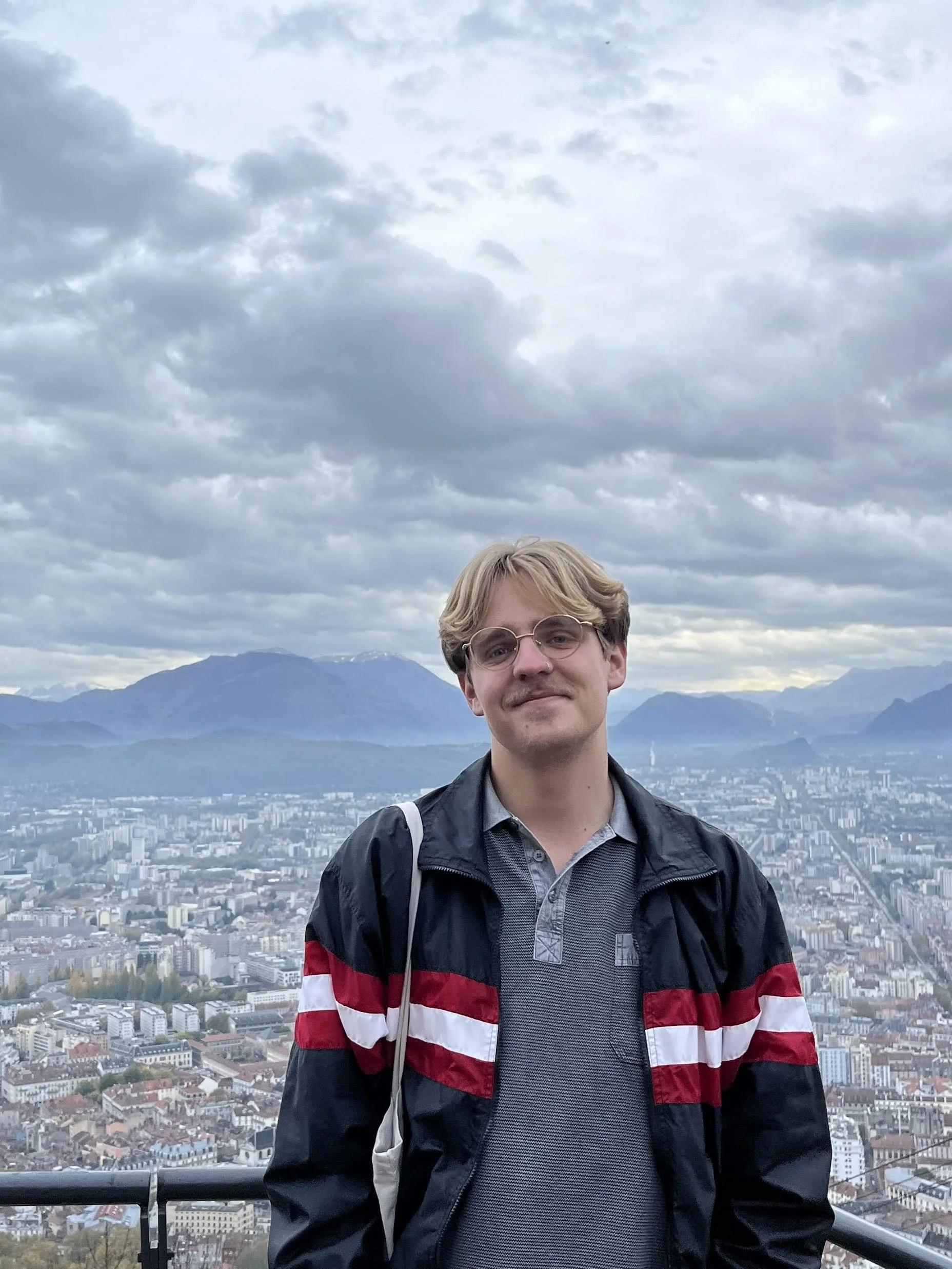
Jacob Mattke is a literary translator from the French. Originally from Oklahoma, he currently lives in Strasbourg. His work has appeared in Exchanges: Journal of Literary Translation.
LinkedIn: @jacob-mattke
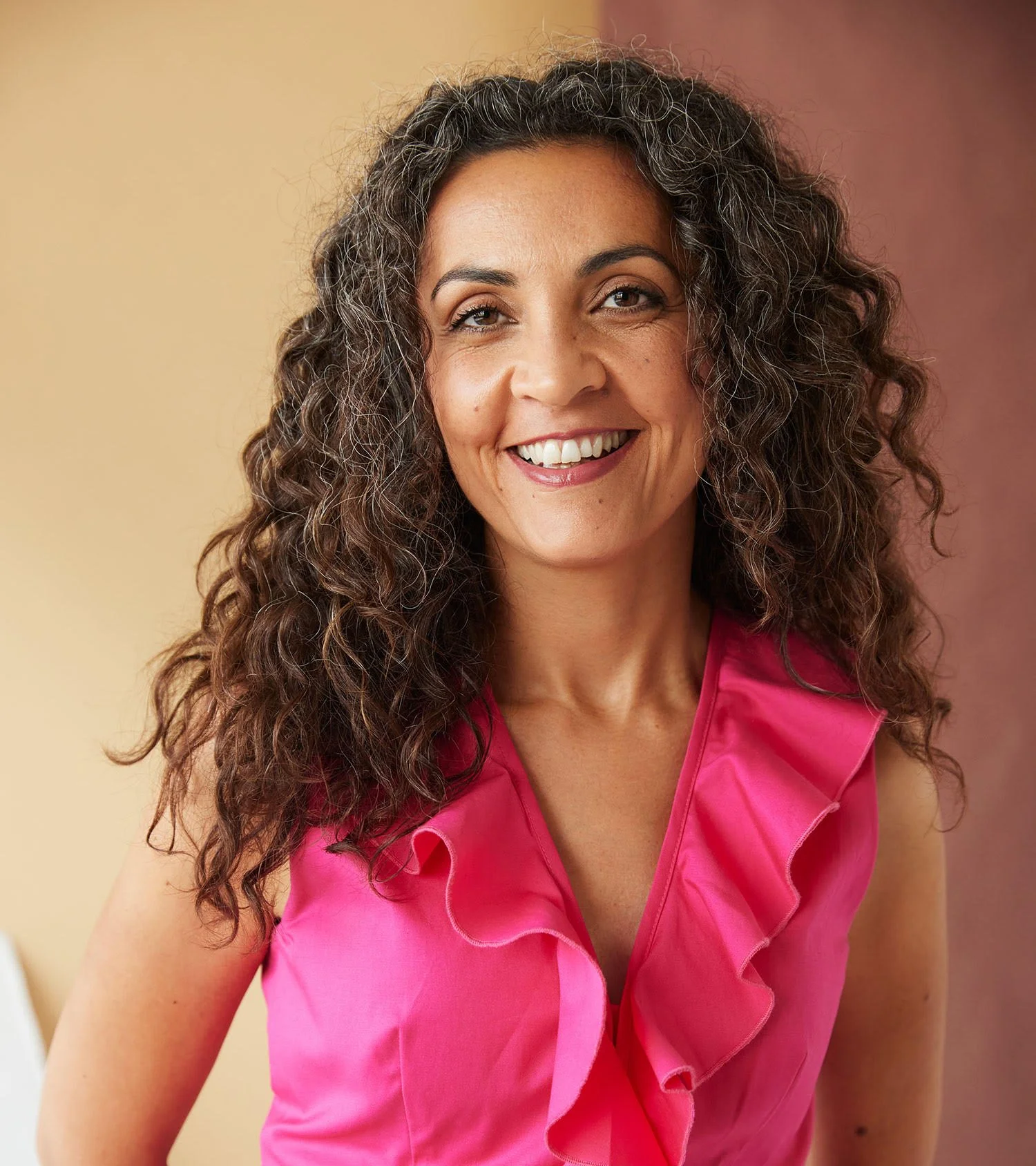
Photo credit: Marjorie Guindon
Yara El-Ghadban is a Palestinian-Canadian novelist and anthropologist. She is the author of four novels published by Mémoire d'encrier. La danse des flamants roses (2024) won the Prix du 3e Poulpe and the Mare Nostrum Prize for best Mediterranean novel. Her latest book, Les Fascistes n’ont jamais compté les étoiles (Fascists never count the stars), co-authored with Rodney Saint-Éloi comes out in August 2026. She lives and writes in Montreal.
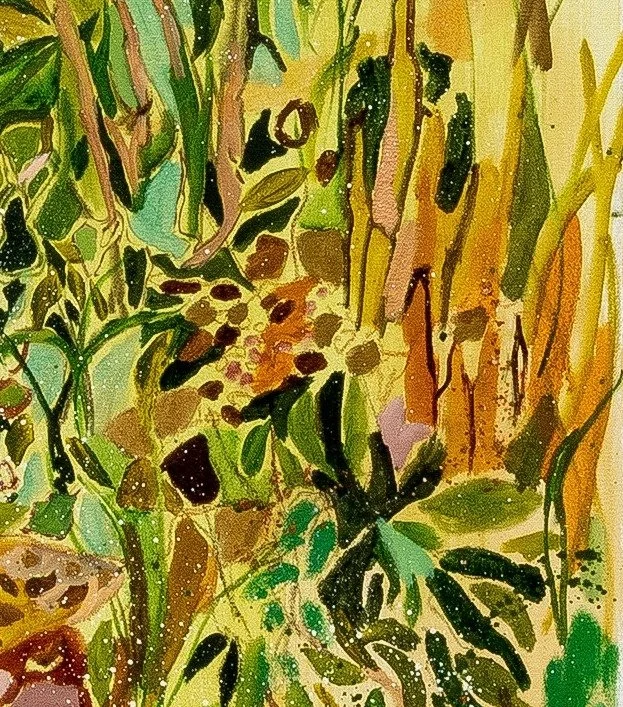
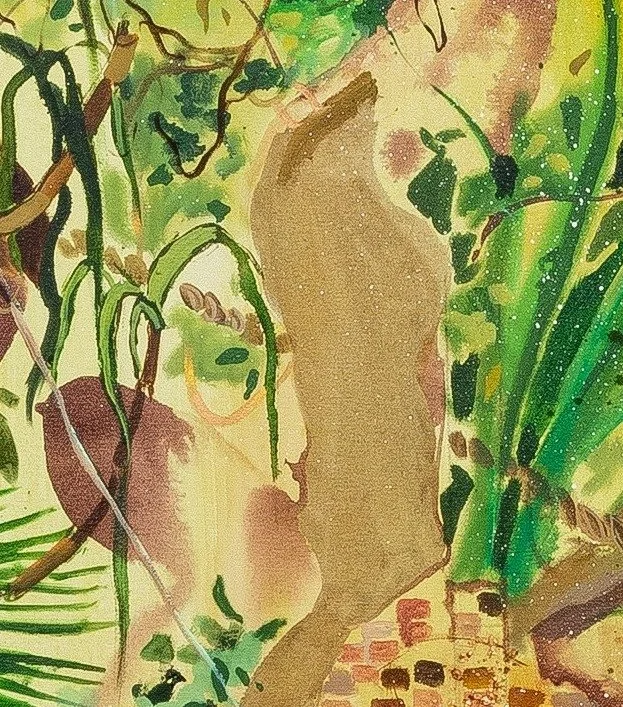
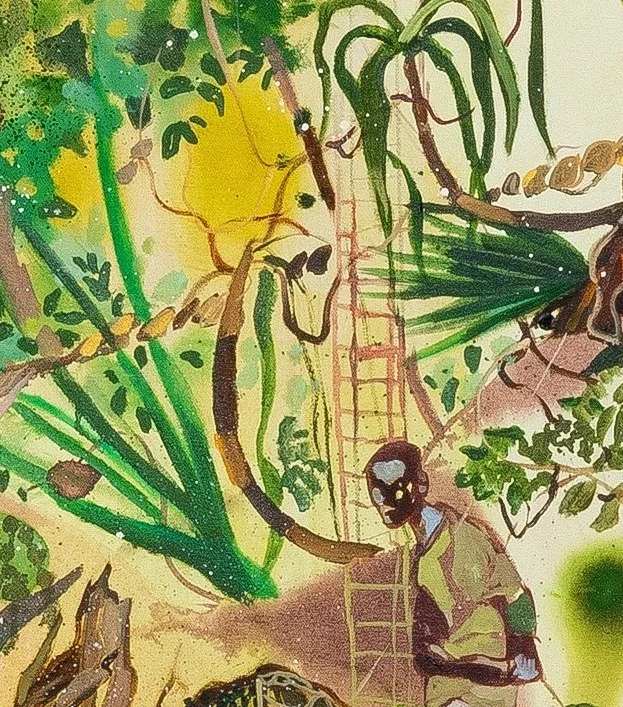
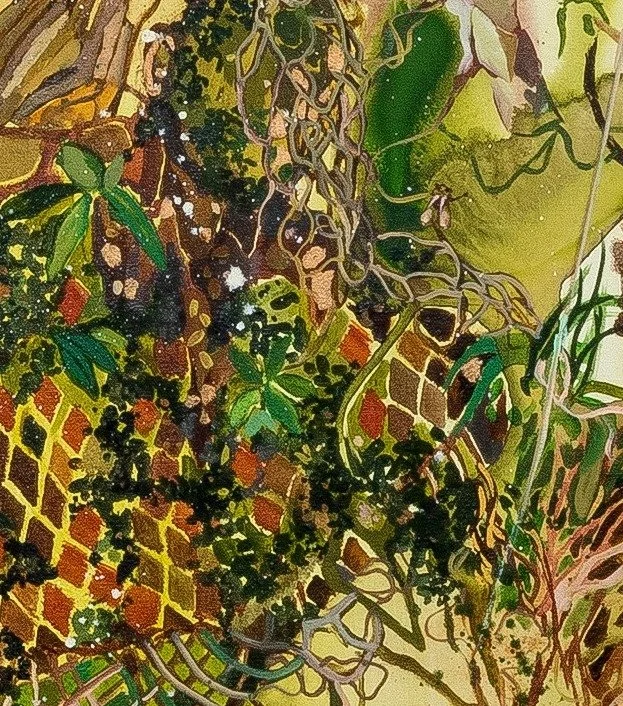
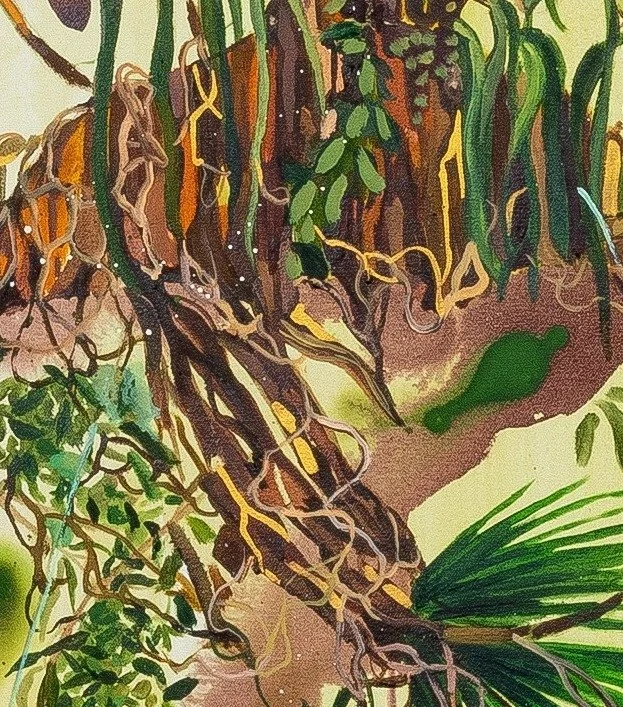
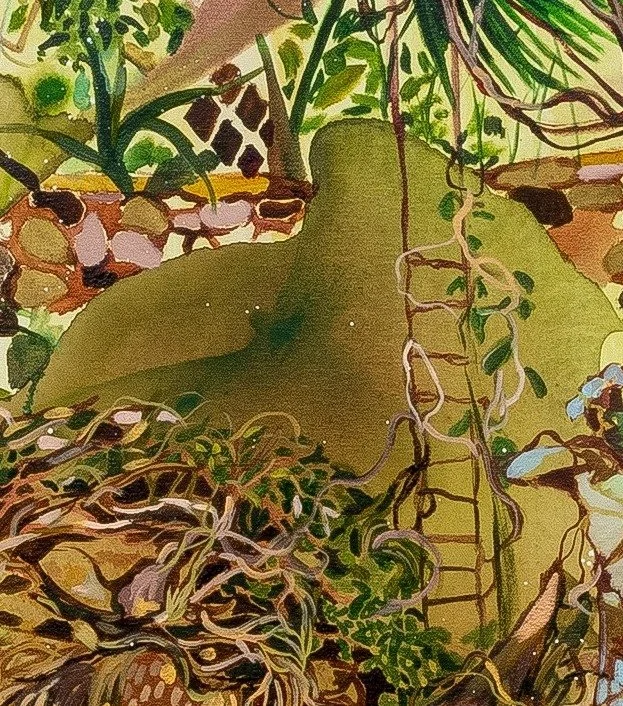
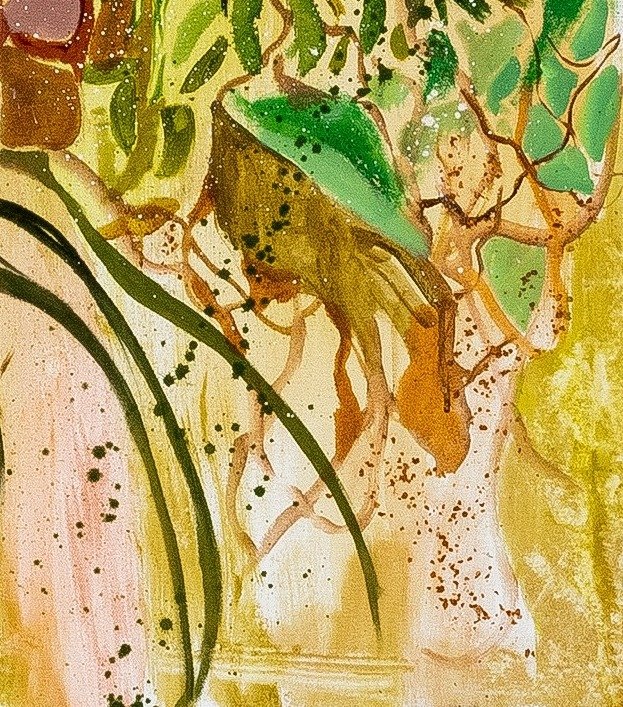
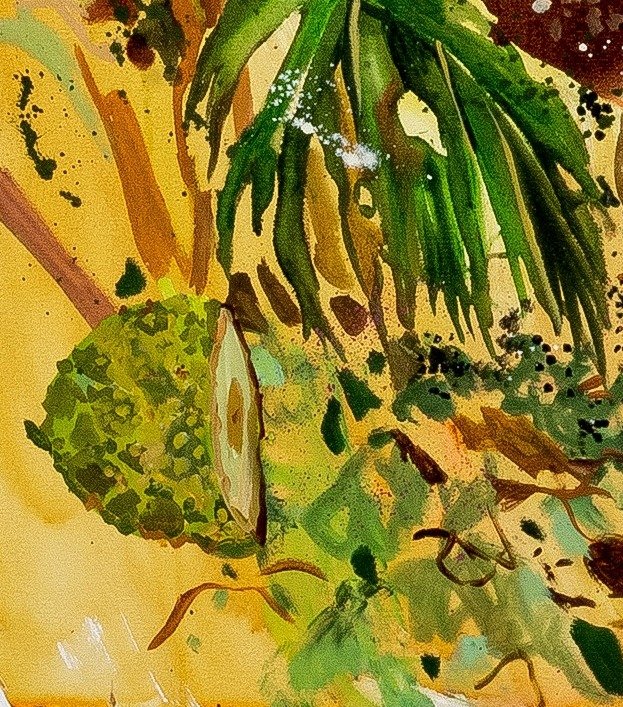
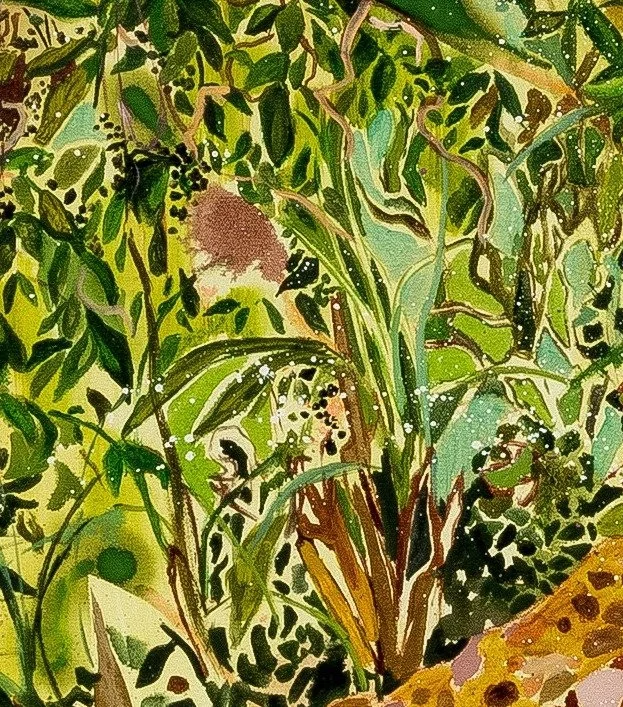
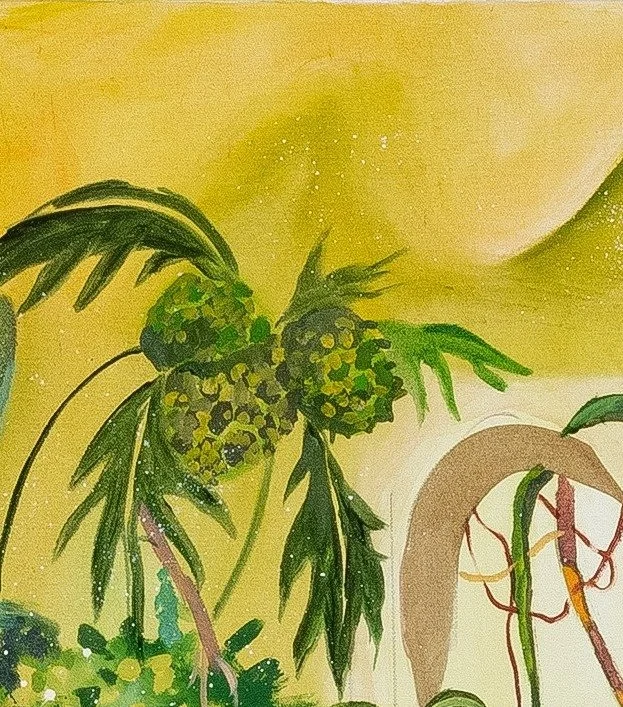
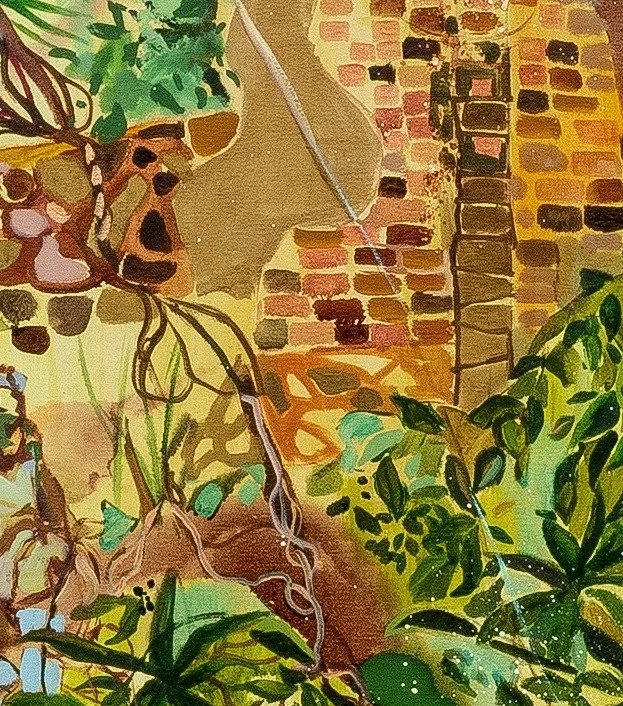
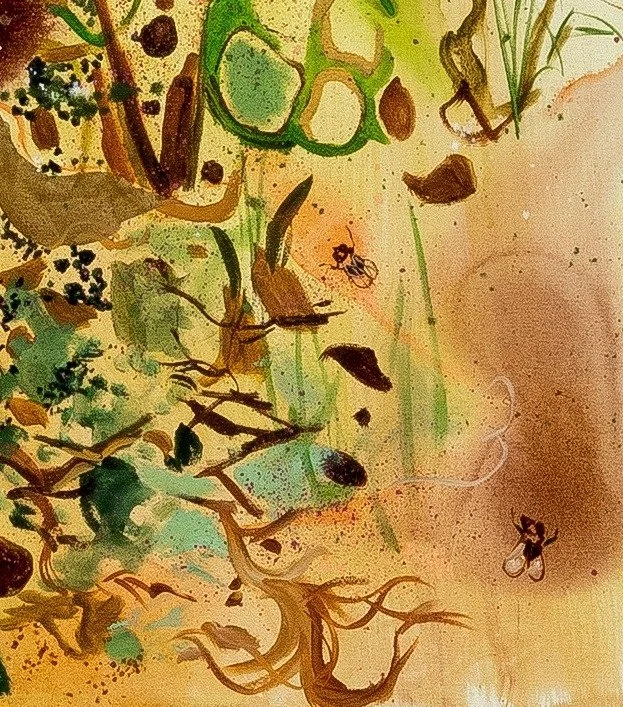
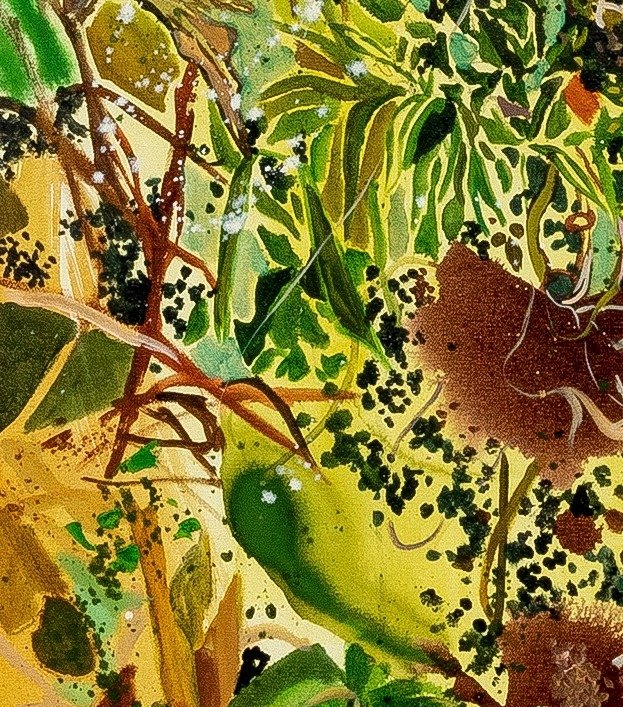
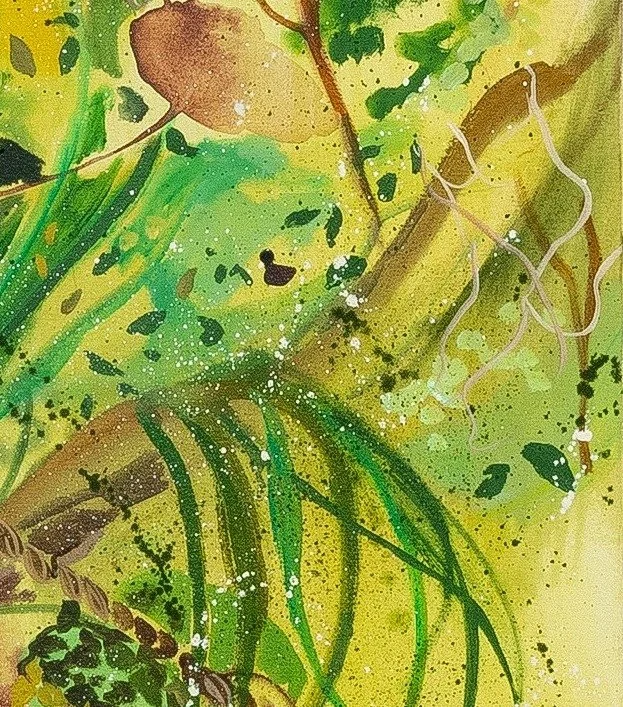
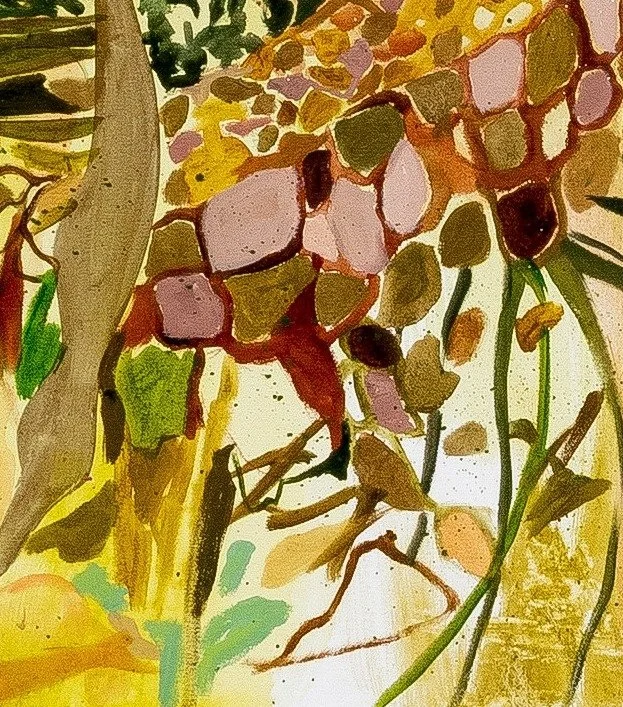
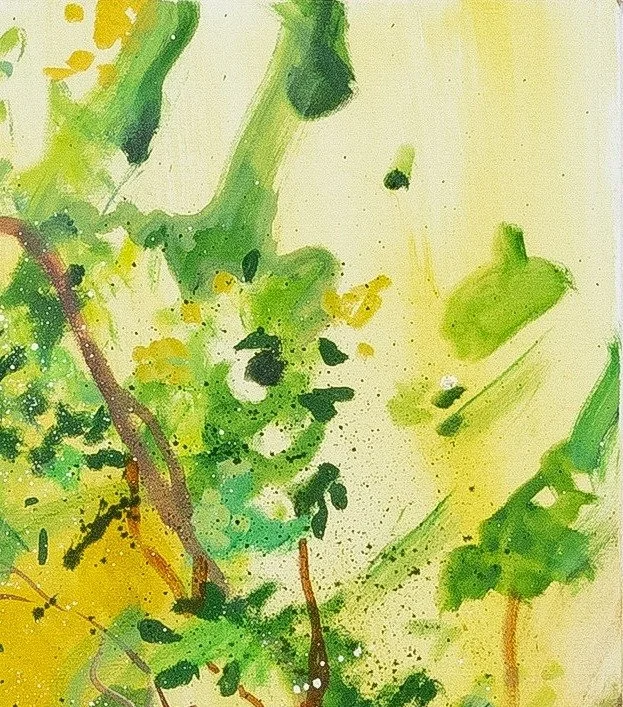
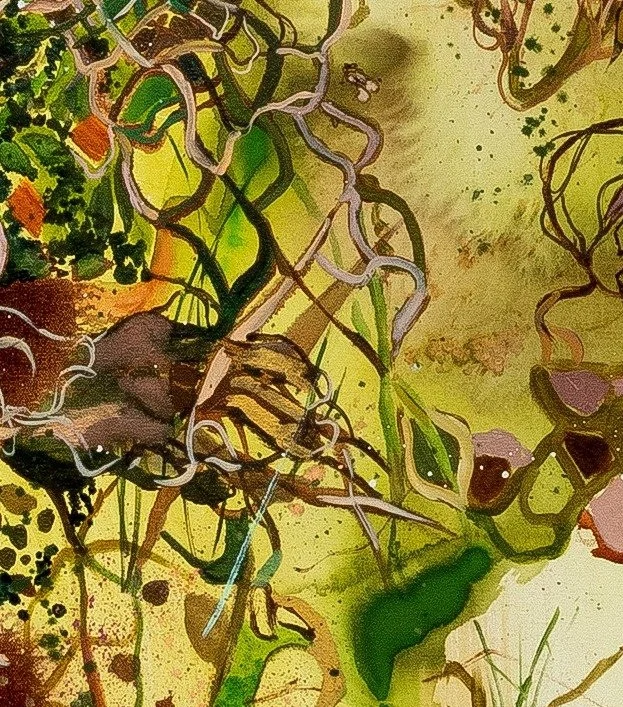
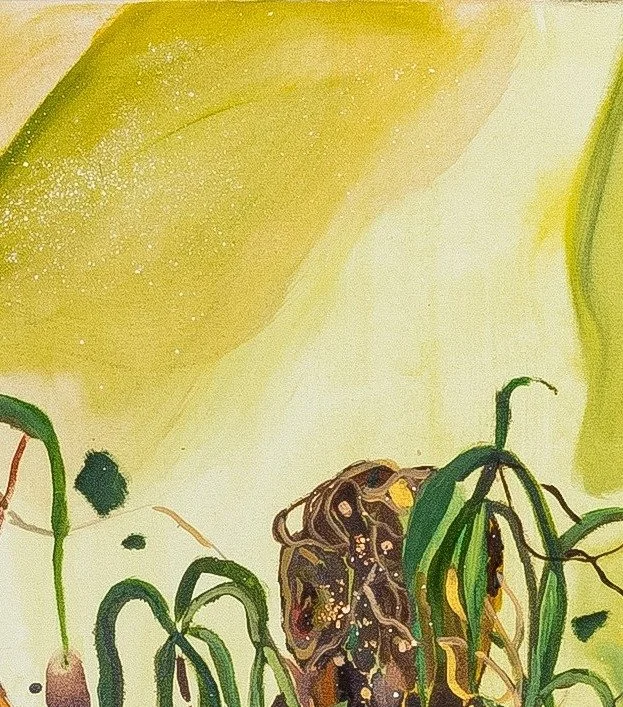
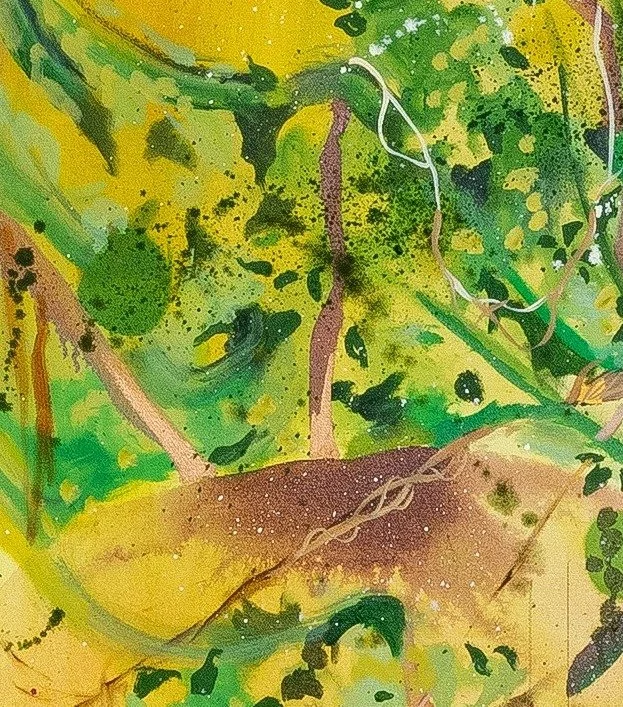
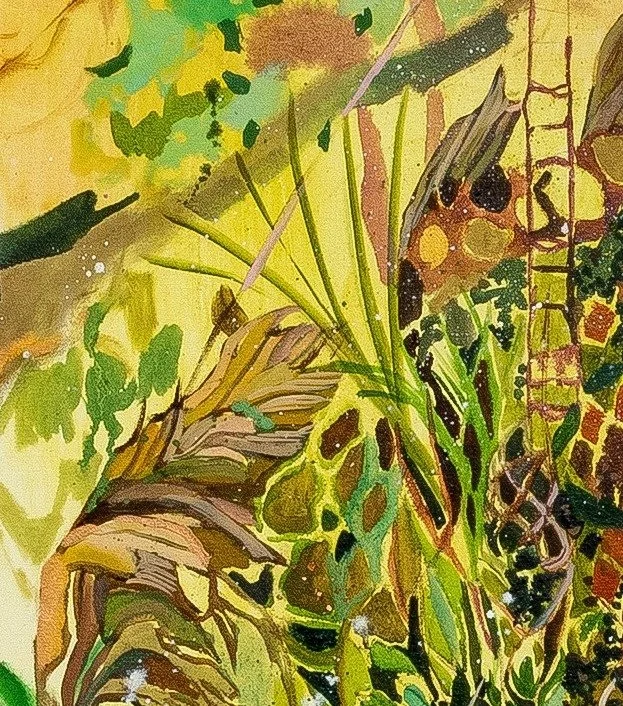
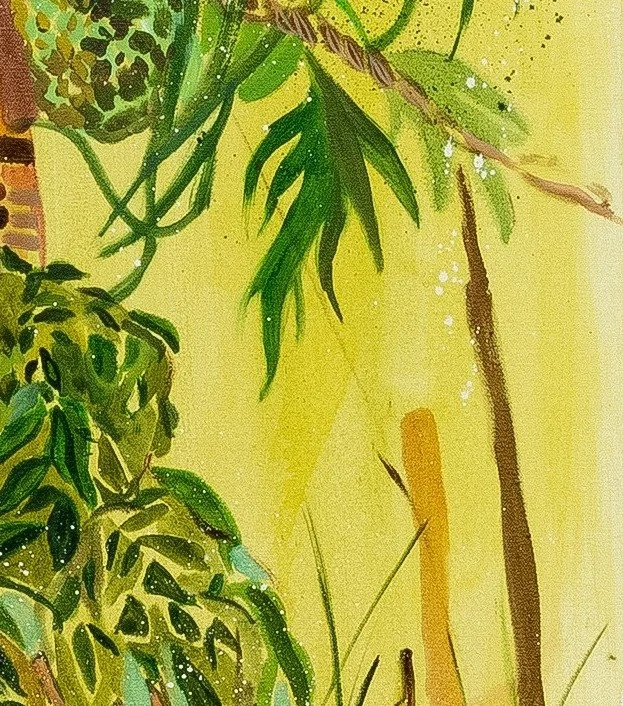
Cover art by Laurena Finéus
In “Jardin de Mackandal” (The Garden of Mackandal), the focus is the breadfruit tree, a hardy symbol of survival. Known for its role in Haiti's reforestation, the breadfruit tree thrives in poor soil and is a reliable source of sustenance, especially in times of crisis.