My Haunted Houses
by Phyllis Aronoff, translated from Éléonore Goldberg
Yes, sometimes my apartment feels like a box, a huge coffin in which I’m buried alive. I feel like jumping out the window. It’s true, emptiness is very attractive to me looking down from my windows. I’ve had this feeling before, in Orléans when I was in my teens. Yes, before I came here, I lived in Paris. Before Paris, Orléans, and before Orléans, between Paris and Normandy. Before all that, there was Kinshasa. And before Kinshasa, there was Les Noëls. Yes, that makes a lot of moves.
...
It’s hard to feel at home when you move so often. Basically, your home is your body and the people you love. My body is a house in ruins. My parents liked old stones. Year after year, we lived in places we fixed up, then left...
I would tell you about the many houses I’ve lived in...
Seeing them again, I would be different ages. I would be five, then seven, twelve, fourteen, nineteen. Thirty.
The House in Les Noëls, Vineuil (age 5)
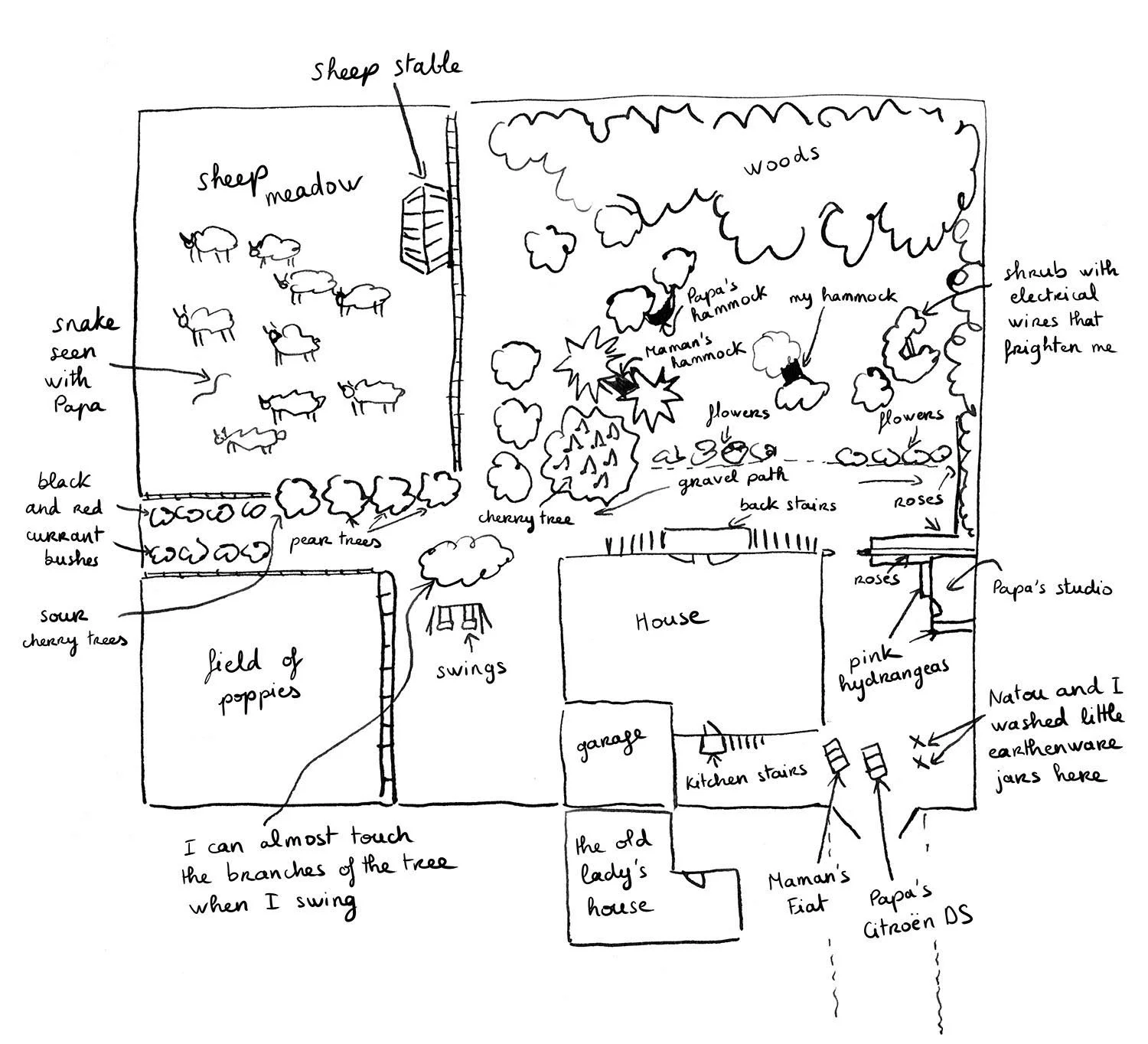
I lived there after the birth of my little sister, between the ages of one and seven. It was a very large house, two stories high. Behind it, there was a garden like a park and a huge fenced area that my parents leased to a sheep farmer.
There was a big cherry tree in the garden, Pigeon Heart variety, whose fruit was dark red, almost black. There were other cherry trees that produced a few sour yellow cherries, and gooseberry and currant bushes, apple and pear trees. All kinds of fir trees, some very tall with blue needles and others small and dark green. Among them was a small round one with a hollow in the centre that I could hide in. A secret house. Like a nest. One day I found black, blue, and red electrical wires half buried in the earth near it. Their colours frightened me. From then on, I avoided that shrub.
In addition to the house, there was a large garage with an owl hiding in it, and my father’s little studio surrounded by pink and purple hydrangeas, where he would write poetry and draw. The studio was full of sketches, file folders, and cardboard boxes overflowing with notebooks and fabric. There was a table covered with sheets of paper, pencils, and pens, a typewriter in the corner of a shelf, and a big sofa covered in forest green velvet. I didn’t like the studio because there was a squashed millipede right near the sofa.
My sister and I wore clothes designed by my father.
Our Bedrooms (Les Noëls, age 5)
Our bedrooms were on the ground floor. Very big, with low ceilings. Mine had a tiled floor and my sister’s had wall-to-wall carpet. It was on that carpet that my mother taught me the letters of the alphabet before I started nursery school. She would write the letters on sheets of cardboard spread out on the floor. I’d say “A,” I’d say “B.” Then “Maman,” “Papa.” I actually called my father “Mapa.”
Before Les Noëls, my mother, who was pregnant with my sister, did a probation period of several months in a company that no longer exists. My father and I stayed in Paris and I’d see my mother on weekends. The rest of the week, she slept at Grandmaman’s, a few kilometres’ drive from her work. I was a year old. I got my mother back in Les Noëls with the added bonus of a baby sister who looked like a wrinkled little monkey, drooling, howling, spaced out. I don’t recall the first time I met her. Nathalie and I were so close that people sometimes took us for twins, which bothered us at times as we got older. Natou was a redhead, while I was blond like Papa. Her hair was all curly, while mine was straight as sticks.
My bed was made of rattan. My bedroom gave onto the basement. Another door, to the left of the basement door, opened onto a small pink bathroom. My sister slept in another room. My father read me Beatrix Potter’s stories, which were a gift from my godmother. I loved the illustrations of Mrs. Tittlemouse and Benjamin Bunny. I liked that they lived in warm, secret burrows.
Beside my bed, there was a little slanted wooden desk where I would practise writing my ABCs. I got high marks in school. My father congratulated me.
Once I wrote my Ls without following the vertical lines in the exercise book according to the teacher’s instructions. I was managing very well not following the lines, so I continued. I got a bad mark for not doing what I was supposed to. I hated the teacher. She wanted me to write like the others, like a baby. She was too tall and thin.
From my bedroom, to the right of the door to the basement, a winding wooden staircase went up to the living room, kitchen, and dining room.
The Ghost on the Staircase (Les Noëls, age 5)
There was a dangerous woman hiding on the stairs to our bedroom. I didn’t yet suspect that this woman was not just a passing stranger. At the bottom of the stairs was a door with a metal grille like the ones in old elevators. There was a cage behind the door, a square hole. It was dark inside. I sensed the presence of the woman in that darkness behind the grille. She was old and she had a big smile. She was waiting for me to approach the door. She was holding out her thin, twisted hand in the darkness, ready to grab mine.
The House in Les Noēls
The House in Kinshasa (age 7)
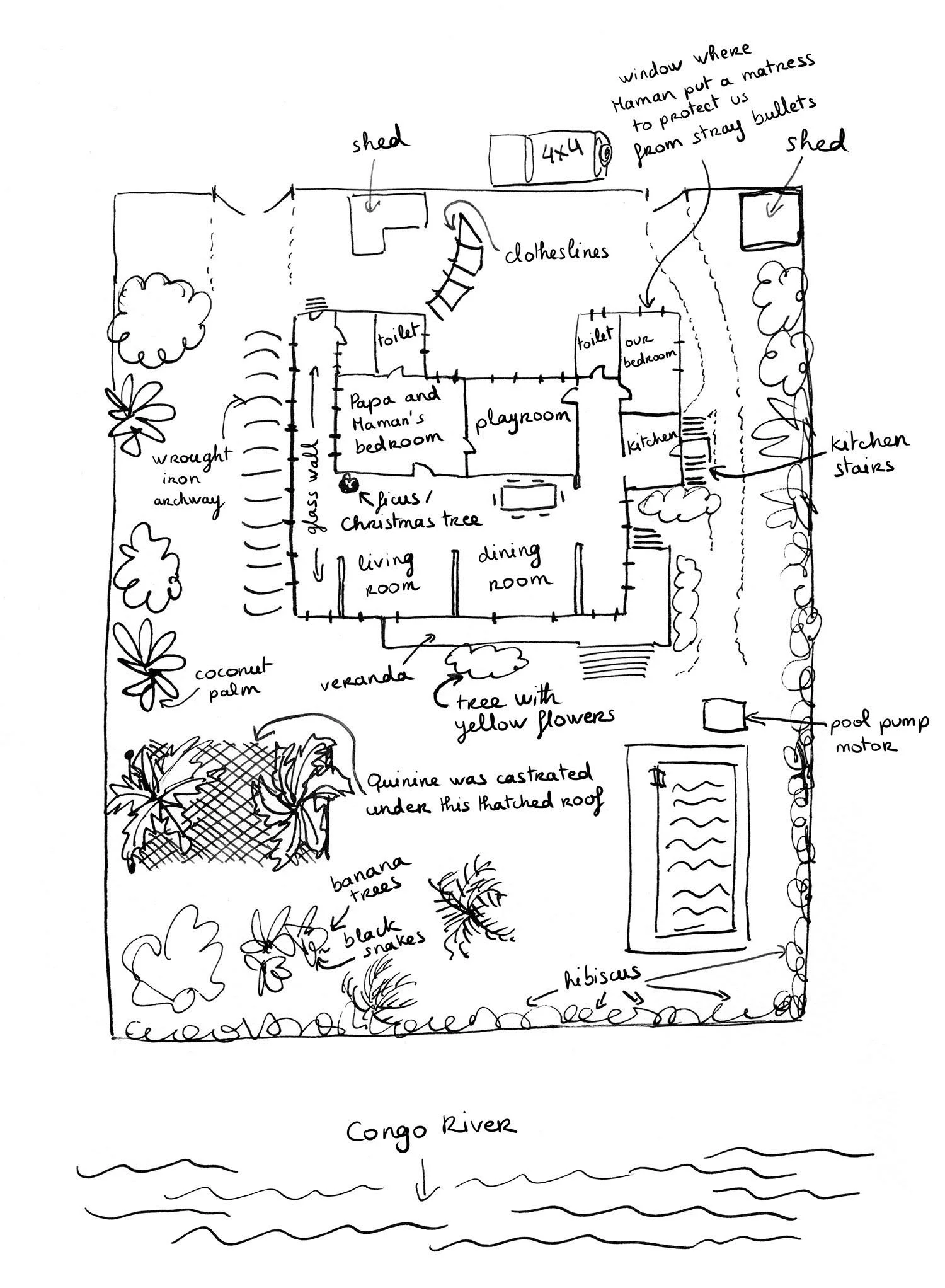
The house was on the Congo River. On the opposite shore, visible in the distance, were the Congo and Brazzaville.
The roof was rusty, the walls white and dirty. There were three doors: one to the kitchen, in the back at the left; one to the area with the picture window, in the back at the right; and one in front, from the terrace by the river, a double door with wide windows on both sides. The terrace, like the house, was raised, so you had to go down a few stairs to get to the garden surrounding the house. There were palm trees, banana trees, hibiscus, passion flowers, parrot plants, and just past the terrace, a little tree whose yellow flowers smelled very nice but whose pollen stained.
In front of the house, facing the river, a swimming pool, five by eight or ten metres, and so deep that my feet didn’t reach the bottom. The water was murky when we moved in. It had to be treated before we could swim in it.
The house was almost empty. It had high windows. Cold tile floors throughout, with black, grey, and white speckles. Four hundred square metres to live in. There was a long solid ebony table in the dining room with tall chairs around it. There was a sofa, and beds in the bedrooms. The day we arrived, my mother wasn’t very happy seeing all that empty space.
…
The Invisible Snakes (Kinshasa, age 8)
I began to imagine that there was a pyramid buried under the garden of the house opposite ours and that an Egyptian boy named Kâa took me there and showed me magic. Actually, the house had been looted during the events of 1993, just before our arrival in Kinshasa. Its residents had been subjected to great violence. To me, that house represented unthinkable evil. I was afraid of it. Thanks to Kâa, I was able to see snakes that were invisible to everyone else. It started after I watched Young Sherlock Holmes and the Pyramid of Fear. I could talk to the snakes in an invented language and make them dance on the flagstones under the arbours of flowers in our garden. With one gesture, I would make them sway. I was a sorceress who brought invisible things to life with the tip of my finger. I became more and more attached to the imaginary world. My dreams and nightmares became subjects for reflection and study.
I was the only one who saw these things. I gave my little sister a detailed description. I wanted her to take part in my game. Come with me, don’t leave me alone in my world. My sister believed me a little bit, but more often she was skeptical and said I was lying. I would talk to her about Kâa at night, saying we did this, we did that, we went there, and so on. She began to show signs of jealousy of my friendship with the invisible boy. One day at the table, to provoke me, she told my mother about him. Nobody paid any attention.
I became very secretive then. I stopped telling my sister about my adventures with Kâa. It was my way of punishing her for betraying me to my mother.
The House in Kinshasa
Maison fauves was originally published by Editions Triptyque in 2019.
ABOUT THE CREATORs

Photo credit: Liv Mann-Tremblay
Phyllis Aronoff is a French-to-English literary translator in Montreal. She has translated fiction, non-fiction, poetry, and memoirs by authors from Quebec and France. Her translations have won various prizes, including the Jewish Book Award and, with co-translator Howard Scott, the Quebec Writers’ Federation Translation Prize and the Governor General’s Literary Award for translation.

Photo credit: Stéphane Calce
Éléonore Goldberg is assistant professor in the 2D/Experimental Animation program at Emily Carr University of Art + Design. She illustrated the comic book La demoiselle en blanc (Mécanique Générale, 2016), wrote the novel Maisons fauves (Triptyque, 2019), and wrote and illustrated the comic book La fiancée (Mécanique Générale, 2023). She has directed several short animation films. Recently, Éléonore illustrated Arthur Erickson: Architecte de la lumière, by Michèle Rechtman-Smolkin (Éditions du Pacifique Nord-Ouest, 2026).
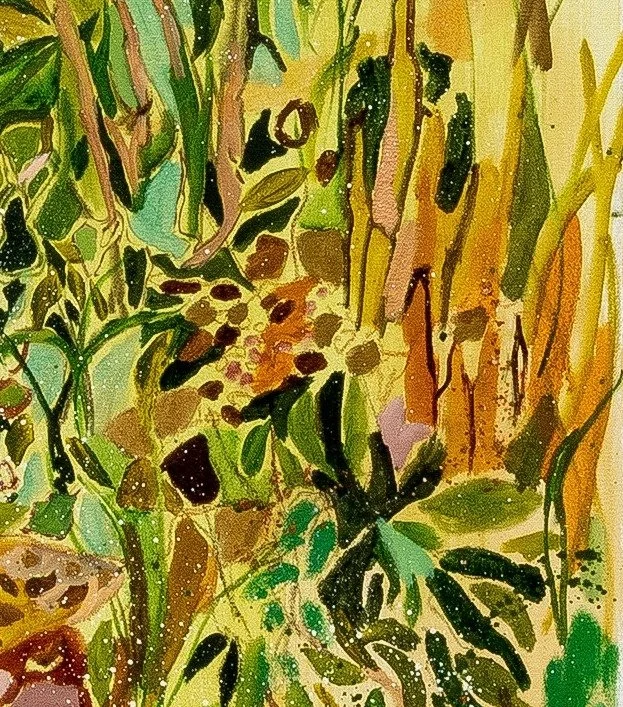
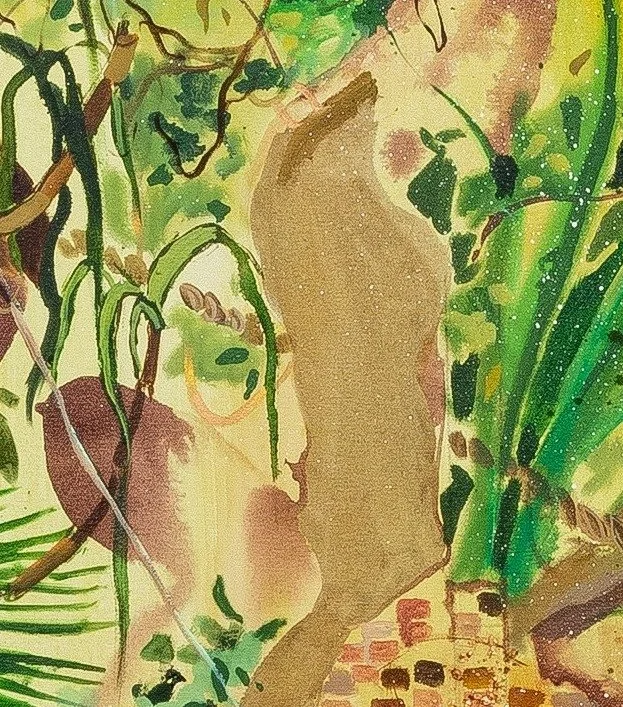
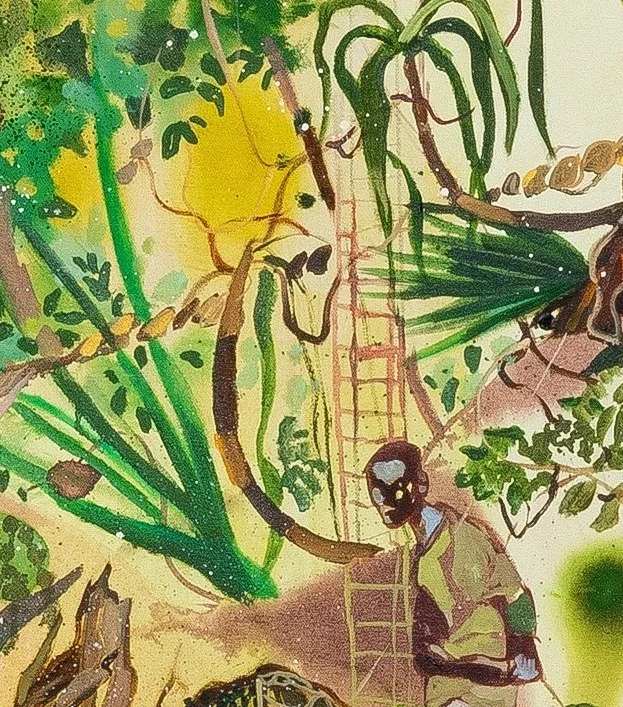
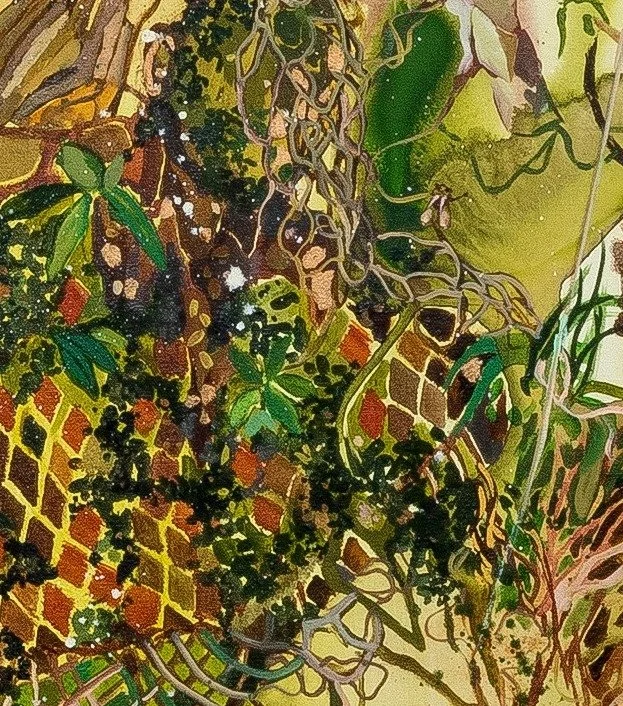
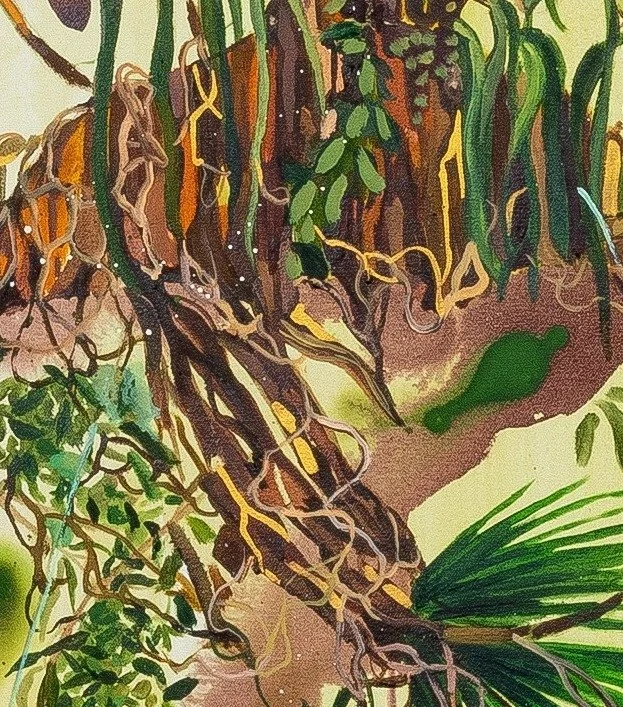
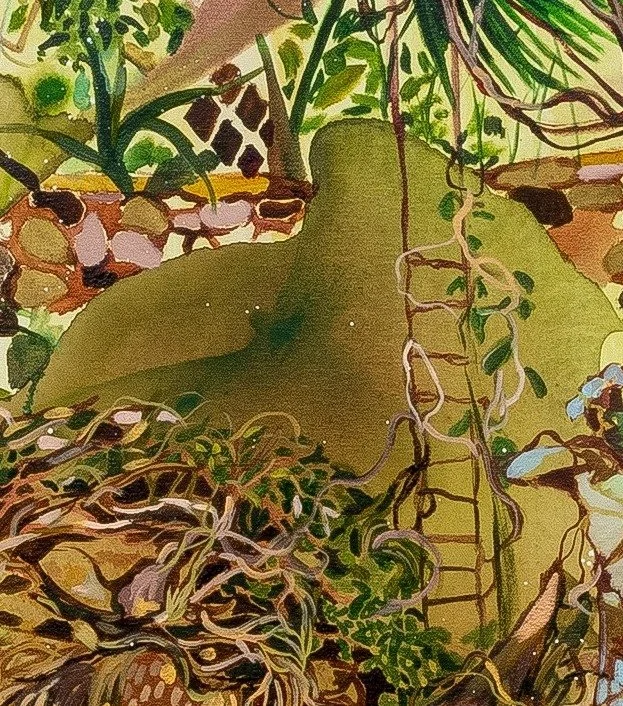
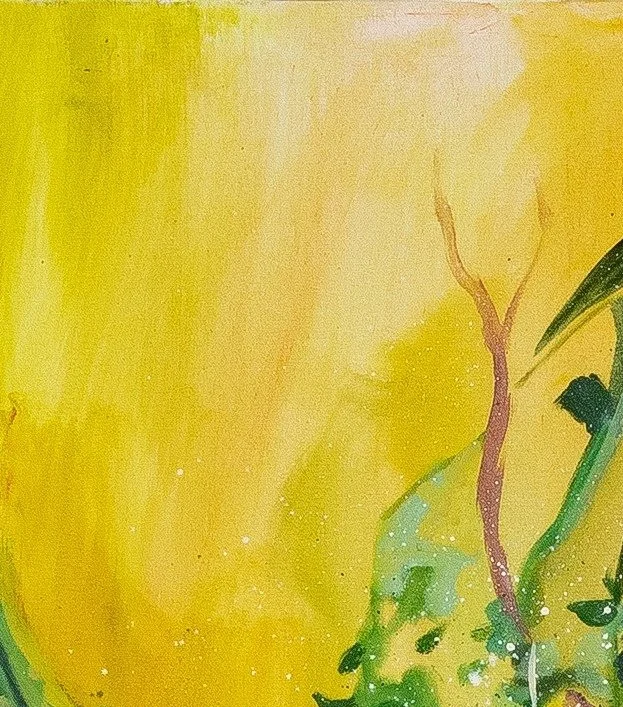
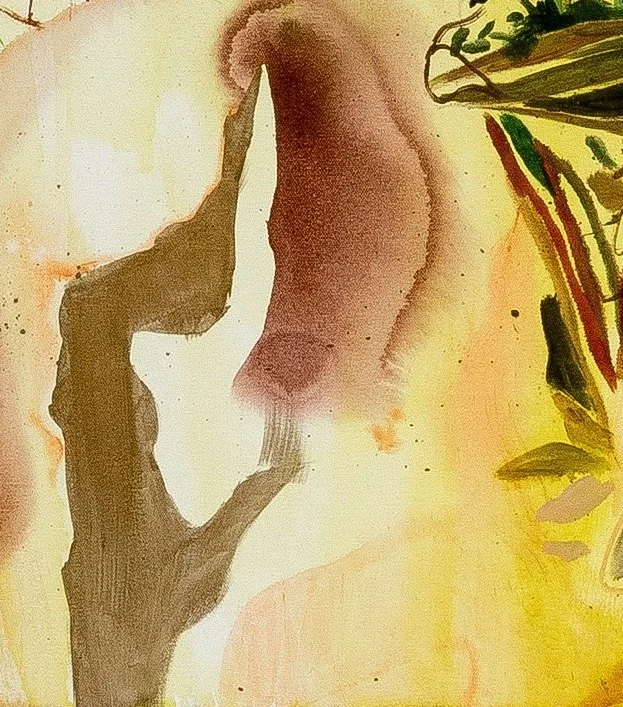
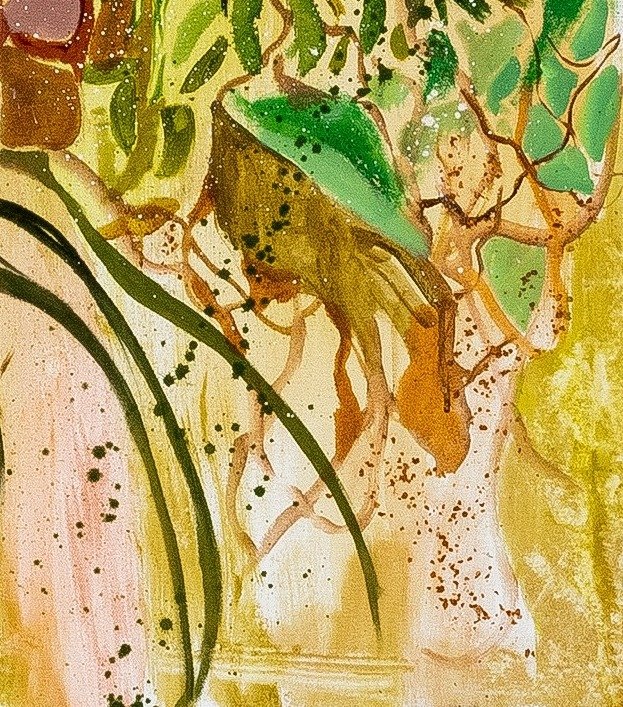
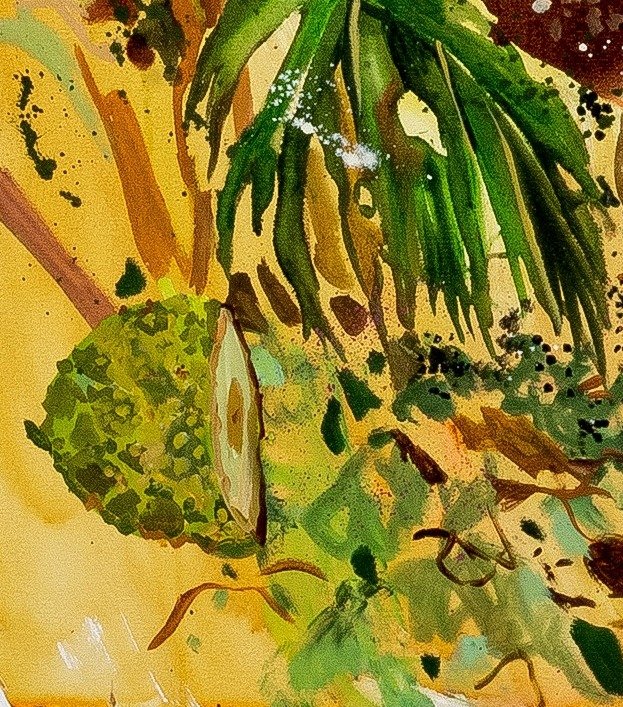
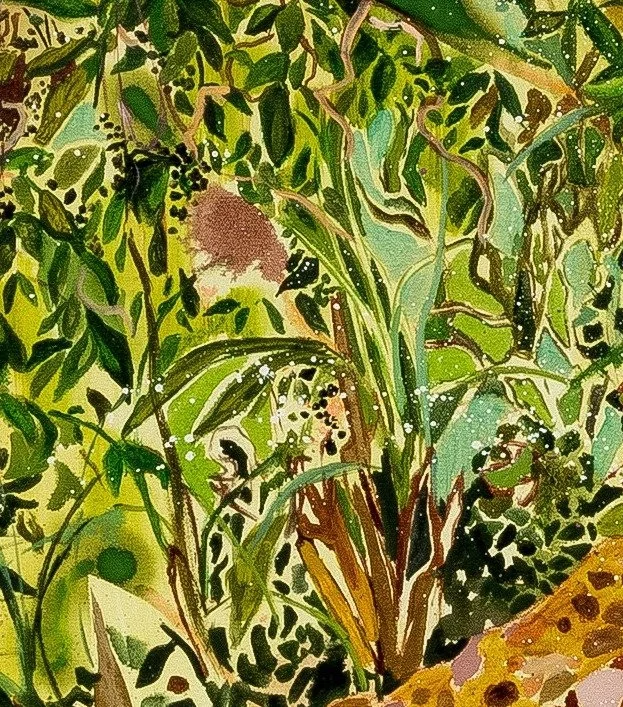
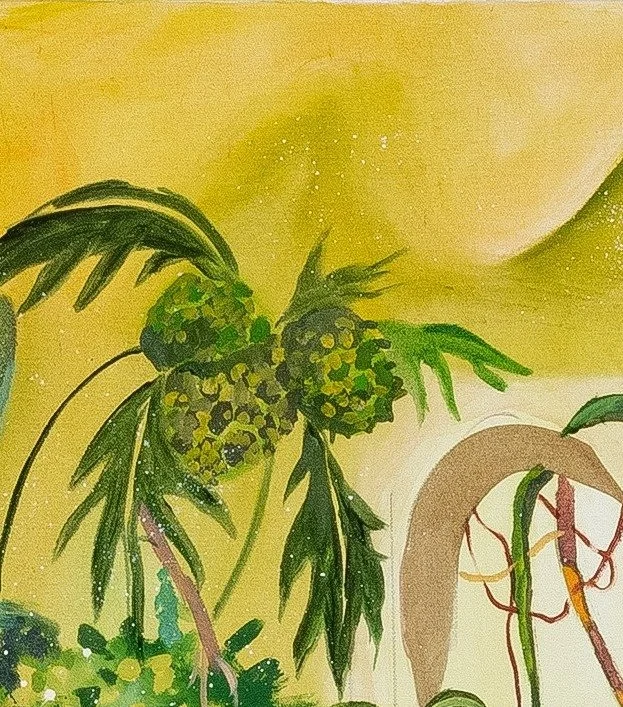
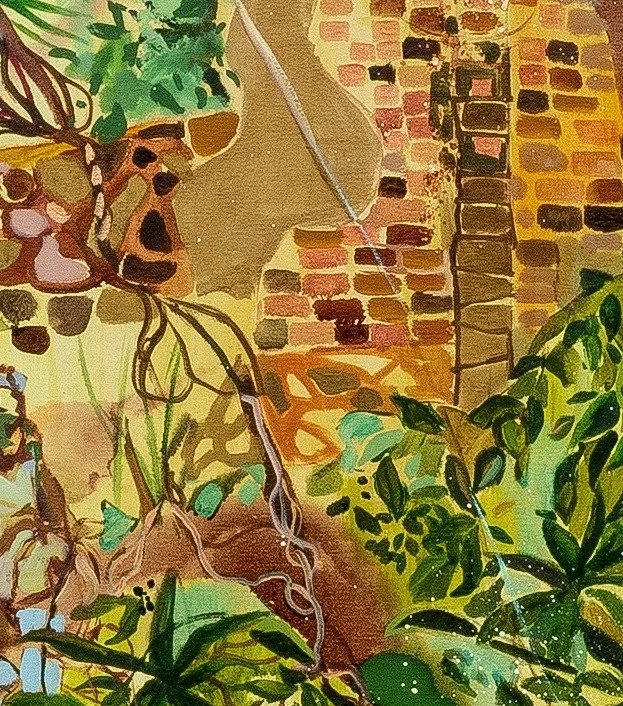
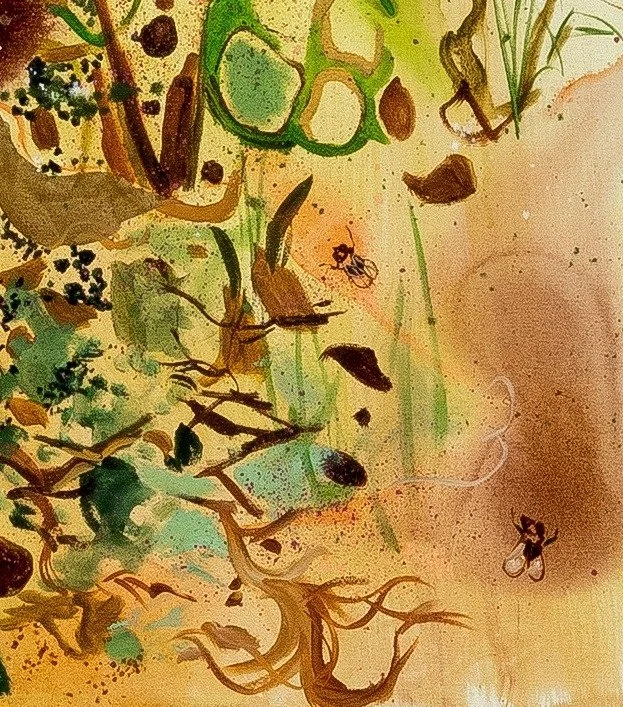
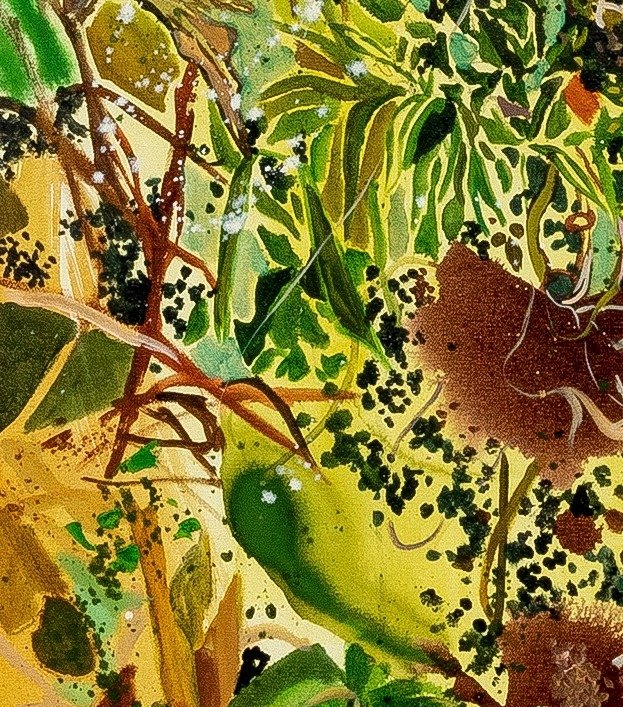
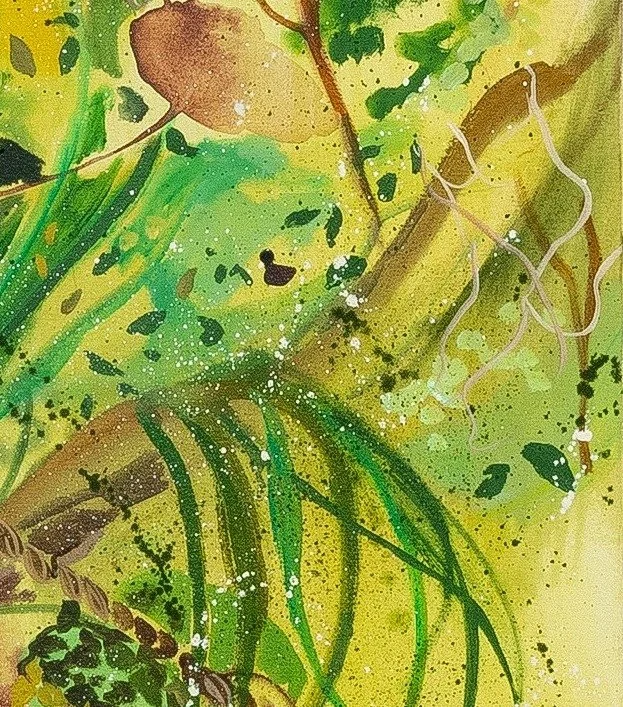
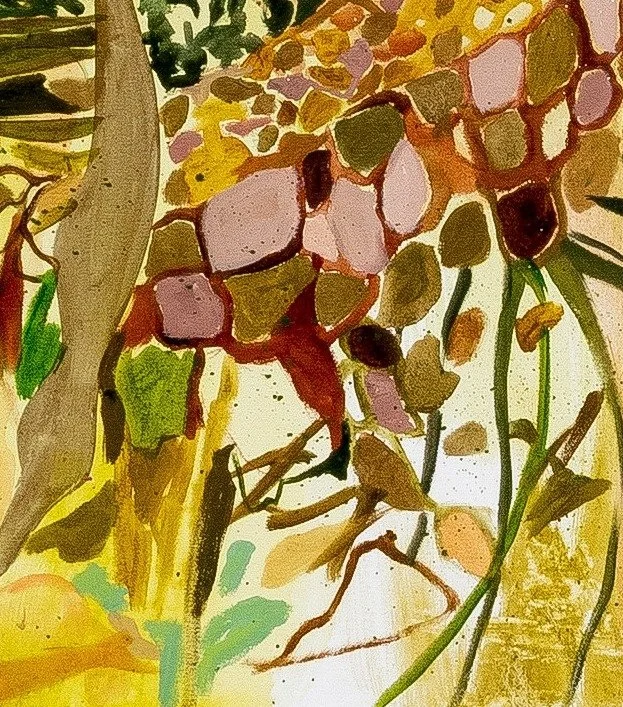
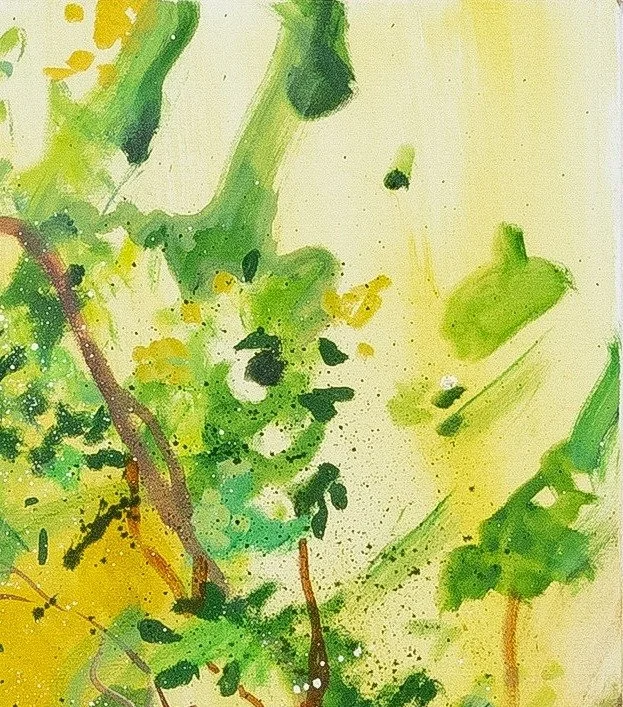
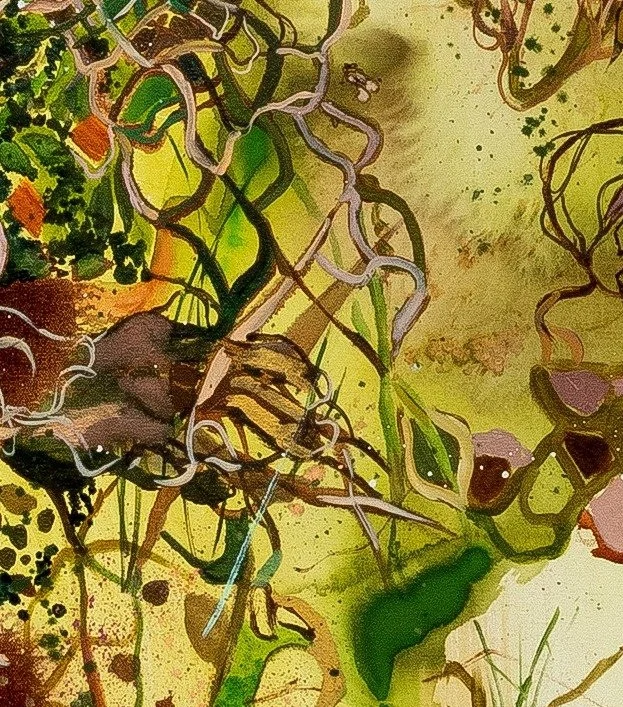
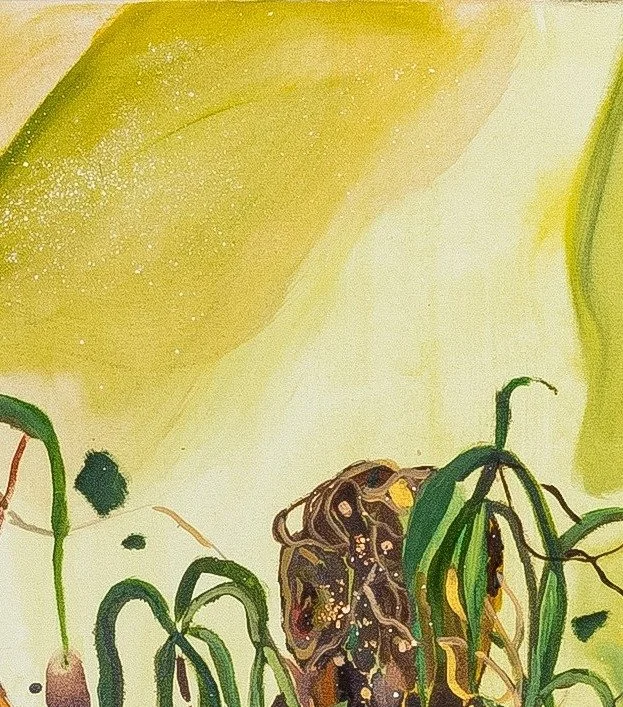
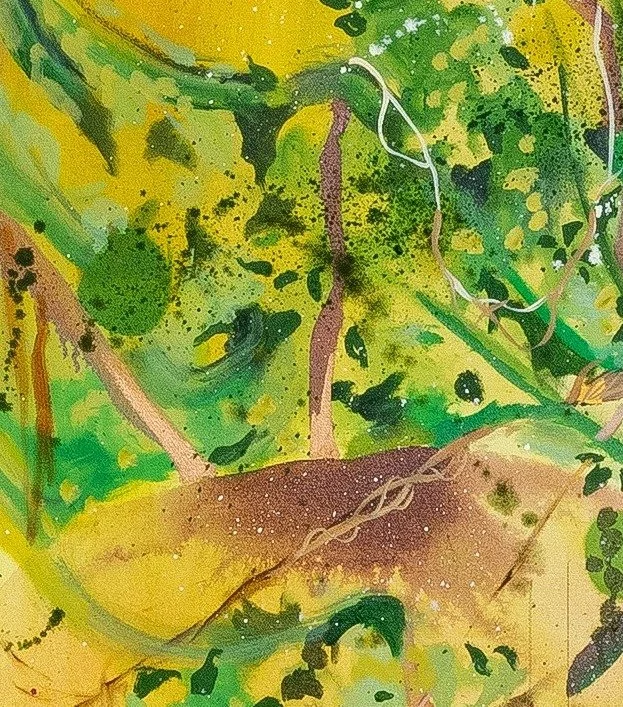
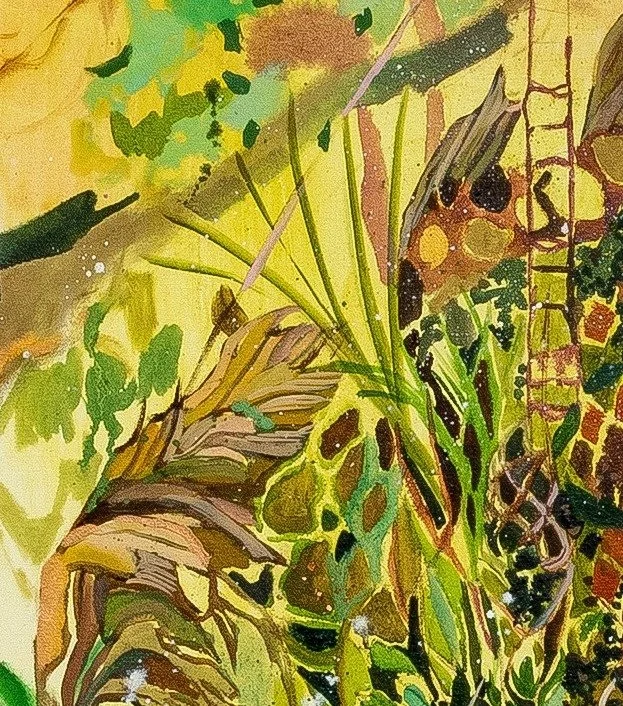
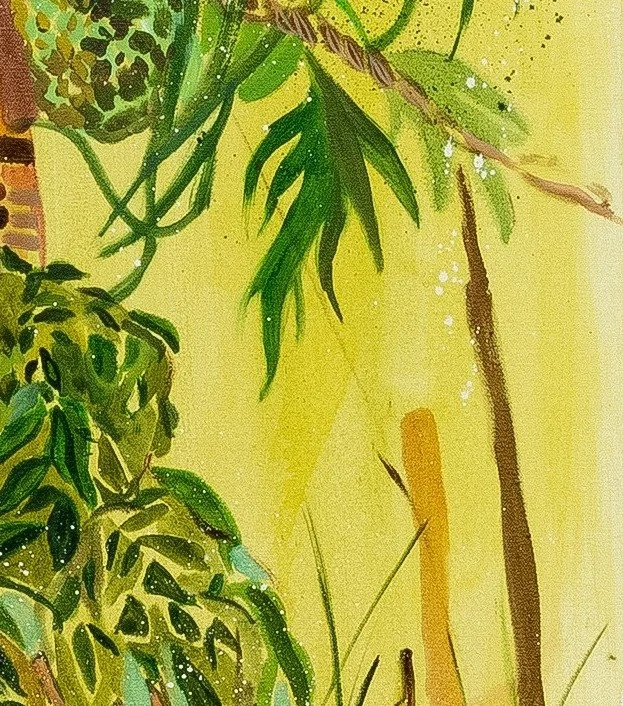
Cover art by Laurena Finéus
In “Jardin de Mackandal” (The Garden of Mackandal), the focus is the breadfruit tree, a hardy symbol of survival. Known for its role in Haiti's reforestation, the breadfruit tree thrives in poor soil and is a reliable source of sustenance, especially in times of crisis.