Husk
by Adam Dizon
Lying in front of us was the body of a young horse. It looked deflated, its stick-like limbs sprawled over the side of the table, one hoof hovering just above the floor. Its head was turned to the side, as though shying away from its audience. The way they had twisted its body disfigured it somewhat, becoming, if you squinted, just a mass of brown, no more than a random series of shapes and textures.
“Is it real?” Sadhbh whispered.
I looked down at the exhibit’s booklet. “‘Materials: Horse skin, metal,’” I read out loud.
We stared down at the piece in silence, until the people behind us began to move closer to our backs, indicating we had used up our time. I turned to go, but realized Sadhbh had crouched down in front of the horse, staring at it from a different angle. Looking down at her as she looked up at the horse, the lines between the three of us seemed to blur. It was hard to tell who was looking and who was being looked at.
The people behind us started to push, and we walked off. The rest of the exhibit was incomprehensible to me, all amorphous shapes and murky colors. I had never been an art person, and was only there as Sadhbh’s chaperone. As we walked, I caught her constantly glancing back at where the horse lay. I couldn’t get a full view of it myself, with all the people crowded around, just a hoof or tuft of hair appearing momentarily between the coats and jackets. But the impression it’d had on me remained clear in my mind, the memory of its limp body feeling wrong, somehow.
Reaching the exit, we each pushed a few dollars into the donation box and left the gallery, New York City emerging around us. It had started snowing, a thin layer of white covering each bench and fence and traffic light. We wandered aimlessly for a while, dodging the constant bustle of people walking around us. Eventually Sadhbh told me there was an Italian deli she wanted to visit, and we maneuvered our wandering into that direction.
We only knew each other abstractly, Sadhbh being the daughter of my mother’s friend from when we lived in Ireland, but we managed to make easy conversation. She asked me about my plans for the future and hid her judgement well when I admitted I didn’t have any. After I graduated I moved in with my mother, joining her in New York, and my life became dedicated to helping entertain the endless stream of visitors passing through her apartment, all taking advantage of free accommodation at the center of the world. I don’t think I’d ever done more laundry in my life, sheets washed and washed again until I was sure the fibers were close to unravelling.
A year later, after my mother had been laid off, the flow of guests slowly abated. I was glad, not just for the lessened laundry load, but because I had noticed in her a sort of waning. It was like her skin had begun to sink into itself after being pulled tight for so long. It felt wrong for anyone to see her in this way. I didn’t tell Sadhbh this, not wanting to know if she had also noticed this change.
She told me about her own plans, how she would finish her film degree and then get an internship, and at the same time finish a screenplay she had been working on. She said these things as though they were set in stone, like her life was a conveyer belt that would carry her forward if she waited long enough. It reminded me of how I used to talk, not just the words but the tone too, and the way she held her gaze upwards as she spoke. I was about to ask what her screenplay was about, but we had arrived at the deli, and I never found out.
We escaped into the deli’s heat, shucking the snow from our feet and peeling off our coats. Sandwiches acquired, I looked suspiciously down at the bread in my hands. It was filled with an ungodly amount of meat, and I was convinced a bit of metal would poke me in the mouth if I wasn’t careful.
“I can’t get it out of my head,” Sadhbh said.
“Me neither,” I replied, knowing she meant the horse.
“It reminded me of something, a scene, but I can’t remember which film.” She frowned, looking up at the deli’s ceiling.
“There’s a horse, a workhorse, pulling a cart, but its owner gets mad at it for some reason, and starts beating it with a club. He keeps beating it and beating it, until eventually it collapses, and it dies, just like that. But the owner keeps going, until the horse becomes unrecognizable, beaten to a pulp, so broken you can hardly tell what it is anymore.”
“Sounds familiar.” I braved a bite of my sandwich. No metal.
She shrugged, her frown disappearing. “Maybe it was just a dream.”
By the time we finished off the sandwiches, the sun had begun to set, and we started to walk back towards the subway. We stumbled across an Irish pub, which Sadhbh thought would be hilarious to visit. Inside, it turned out only one of the bartenders was Irish, a young guy probably around my age. His accent was a strange mesh of Cork and New York, reminiscent of the kids growing up who were allowed to watch too much American television, taking on the voices from the screen. He told us he had moved here five years ago, now with a film degree under his belt. Sadhbh’s ears practically perked up at this, and by our second beer she was barraging the poor man with questions. I felt more and more like I was intruding on something, and eventually got up to go for a smoke.
It had gotten much colder outside, and my hands shook so much it was hard to light up. It was only after taking the first drag that I noticed the dead rat, laying just a half step away from my shoes. It was spread out in a perfect line, completely vertical from the tip of its nose to the end of its tail. Hardly any snow covered its fur, so it must have just appeared recently, within the last few minutes. It was as if the rat had just lain down and died, just then, just like that.
It was positioned unfortunately close to the pub’s entrance, and so I found myself becoming a warning post for everyone entering and exiting the place, calling out “Mind the rat!” as each person appeared. “Mind the rat, yes, just there, by the step, yes a rat, yes it is huge isn’t it, goodnight, mind the rat, right there, goodnight, you too.”
It occurred to me eventually that I should go back into the pub and tell the bartender to dispose of the dead animal, but I couldn’t bring myself to do it. I felt like I owed it something, as if by prostrating itself in front of me in the last moments of its life, the rat had endowed me with the responsibility of its safekeeping. So I continued ‘mind the rat’-ing until I had finished my cigarette, and then stepped carefully over it back into the pub. Sadhbh and the Corkman were still deep in conversation, and I sat myself down next to them, keeping the story of my new ward to myself.
Sadhbh declared she wanted to see Central Park before it got too late. Leaving the pub, my eyes immediately went to where the rat had lain, but the spot was empty, the rat nowhere to be seen. Somehow, I had expected this, and I guided Sadhbh to the subway without mentioning it.
We took the subway uptown, barely able to feel the plastic seats under us with all the layers we had wrapped ourselves up in. The floor beneath us was covered in a light frost, evidence of the thousands of passengers slowly carrying the winter in with them throughout the day, one stop at a time. We ended up talking about secondary school, and Sadhbh asked if I ever visited Ireland. I told her I tried to, but it felt like moving backwards, most of the time. Like each time I returned I was pushing the place back further into the past, more and more unreachable.
She said she thought she understood, that when she had gone to see a choir performance done by her younger sister’s year at the school, it had felt like the building no longer existed, and the walls she was walking through were just an imitation of what had been. Like skin that had fallen off, the real body moving away into memory.
“Yes, like dead skin, exactly. And now I fear,” my voice caught on itself, “And now I fear that each place I go will be like that, once I leave it, until the whole world is dead skin, until
everything is memory.”
Central Park stretched out before us as a great white plain, tinged blue and yellow by the mix of night and streetlight. The bare trees spun upwards, like massive hands struggling to dig themselves out of the snow. There was hardly anyone else around, and the snow seemed to cast a quietness around us, muffling the world. We walked for a few minutes, barely talking. My face was beginning to freeze over, and I saw Sadhbh shivering, but we pushed on. After a while, I realized she was no longer walking beside me, and I turned, finding her stopped a few steps behind. She was staring out into the field, a horrible expression on her face.
I called out to her, but she didn’t respond, instead starting to walk off the path and into the field. Looking at her figure, disappearing into the snow, I again was struck by some connection between us, as though she were me or I were her. I was both here and there, somehow both moving out into the snow, and watching myself as I moved away from me. I called again, but again she ignored me, and I began to follow her, now trying to look out into the field too, to try and see what she saw.
There was a dark form lying in the middle of the field, just far enough that it was impossible to tell what it was. I caught up to Sadhbh, and together we trudged through the snow, movements becoming more desperate as we drew closer.
The body of a bear, too small to be fully grown, curled up in on itself, dead. No snow had landed on its perfect brown fur, dared not disturb its terrible sleep. There was a limpness to the small body, the end of a sigh. No metal held this child together. Its small eyes stared out into the cold winter expanse, and, if you squinted, you could see the remains of light behind them.
We both knelt in front of it, Sadhbh with her hand over her mouth, me with my arms hanging useless by my sides. I remember pushing my hands into the snow beside me, trying to cling on to something, but feeling instead like I was spilling into it, unravelling. The small body watched us, and kneeling before it we asked it, and it answered. I like to believe that it answered.
We got back home, somehow. I don’t remember the walk out of the park, or the subway ride, or even the elevator up to my mother’s apartment. I remember closing the door of the flat, but pausing, convinced I saw the body of a bear through the crack in the door, lying outside the apartment. When I opened it again, it was gone, of course, and I was forced to close the door for good. Neither I nor Sadhbh mentioned anything of significance to my mother, Sadhbh instead divulging everything she and the bartender had discussed. My mother jokingly told me off for going for a drink instead of showing Sadhbh more of the city, but I was too far away to defend myself. As Sadhbh had spoken, I realized the relation between us had been altered yet again, perhaps when I closed the apartment door, perhaps when we left the bear. I felt certain about who was looking at who, and felt myself cast flat onto the floor as her shadow, both behind and in front of her. I went to bed, and in my dream dead horses were beat until they died again, and their skin fell off in thin coils, like rats’ tails.
The next morning there was a news report about the carcass of a bear cub found in Central Park. A woman had been walking her dog and spotted the bear just beside the sidewalk. All that was left of the bear was its skin, the innards completely removed. “Just a husk,” the distressed dog-walker kept repeating when law enforcement arrived, “I knew before you even picked it up, before I even had to look, I knew, not an animal, no, just a husk.”
ABOUT THE CREATOR
Adam Dizon is a writer from Dublin, Ireland. His work has appeared in Antinous’ Ring, and is upcoming in PETAL Magazine and SCAB.
Website: adamdizon.wordpress.com
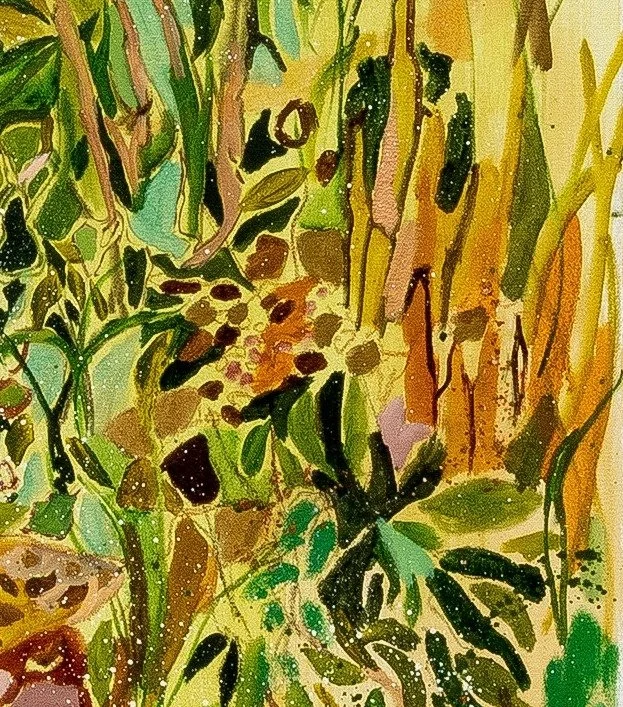
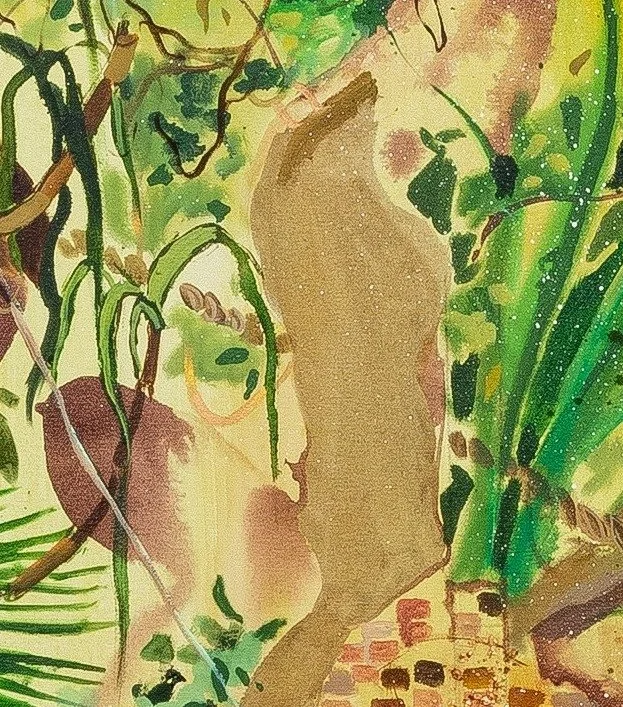
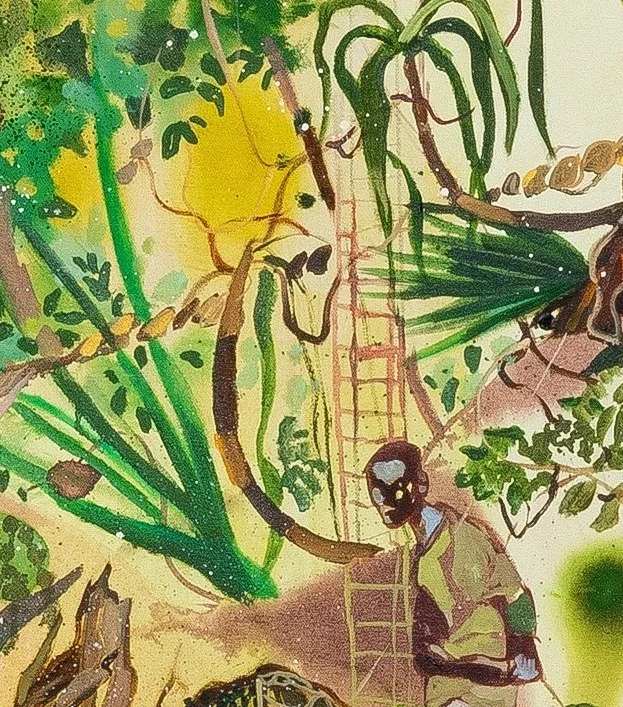
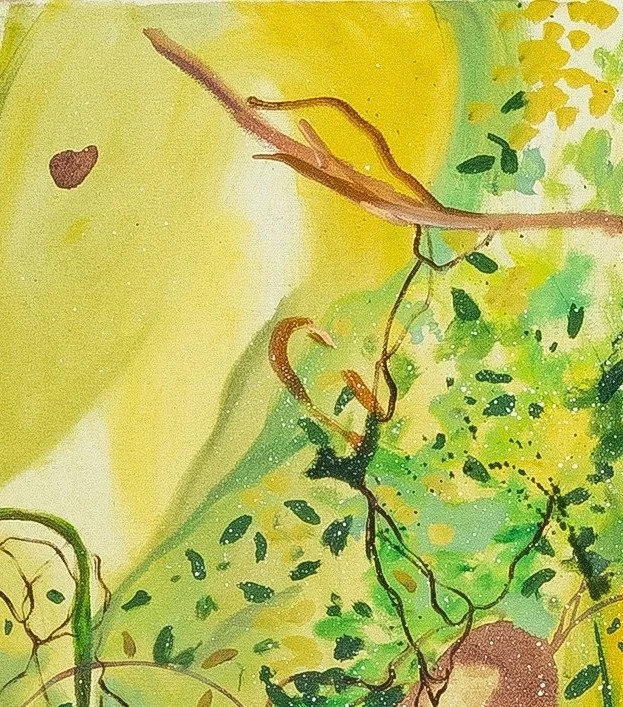
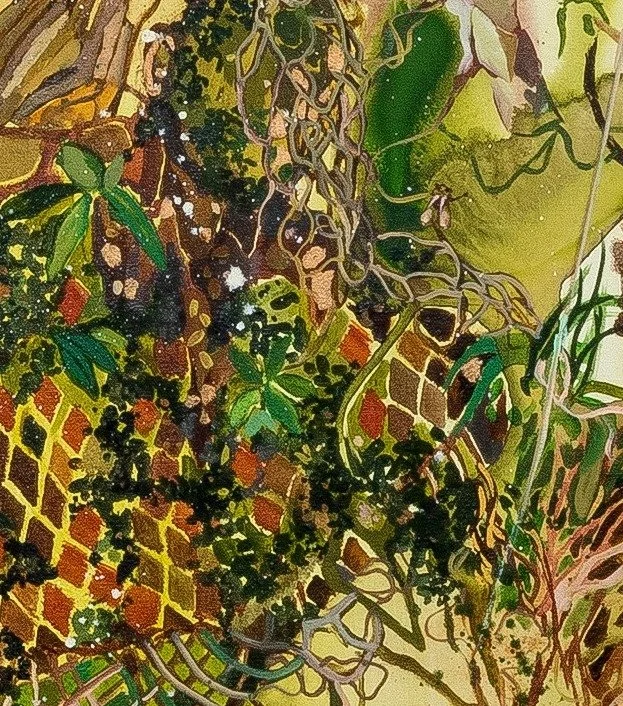
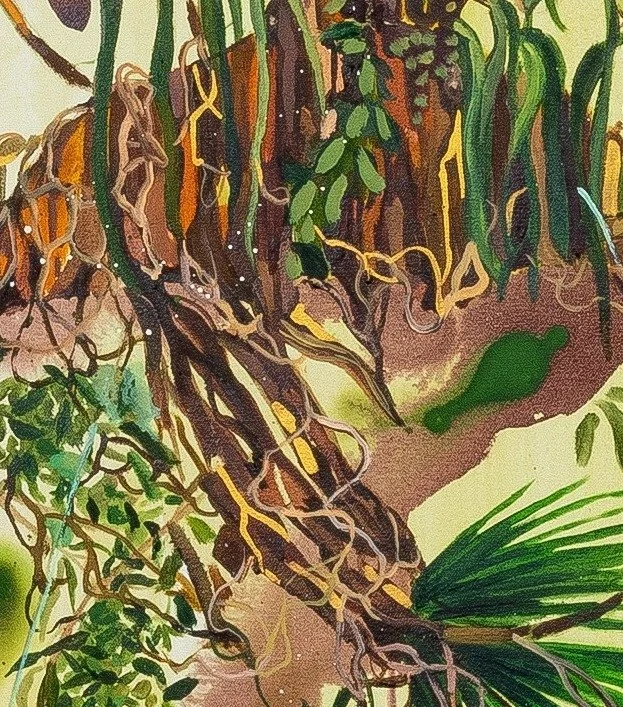
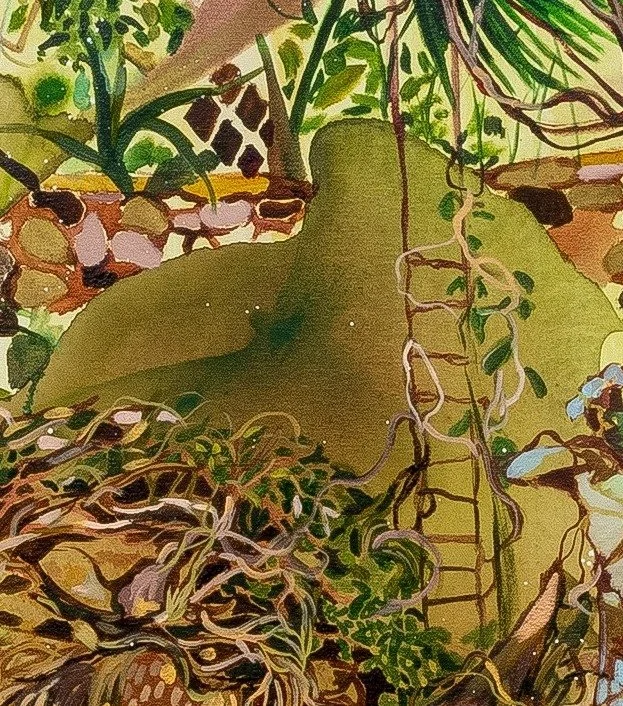
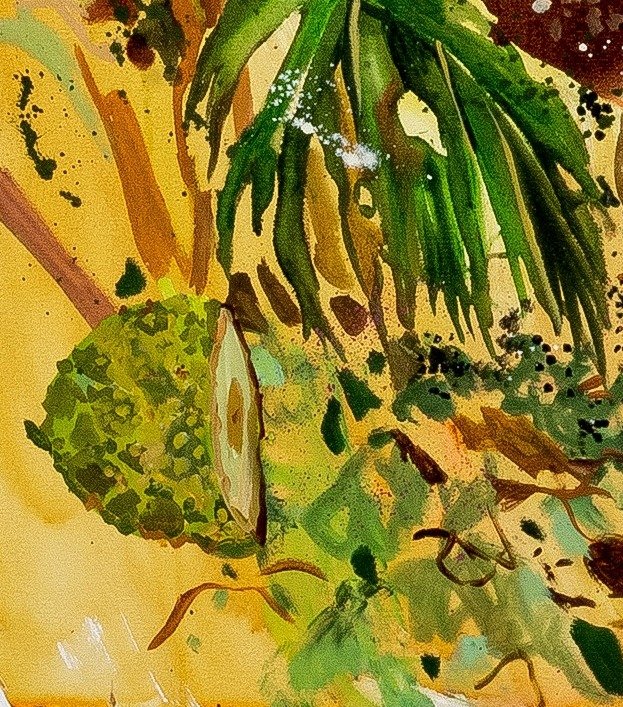
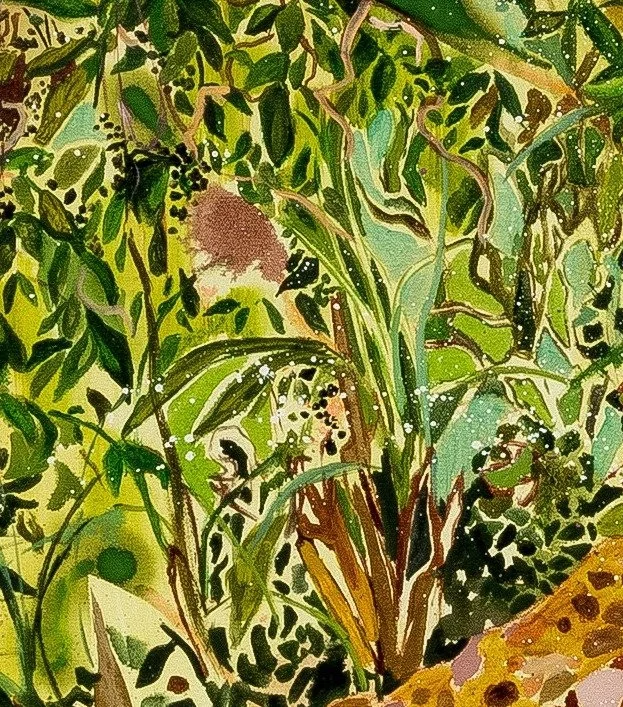
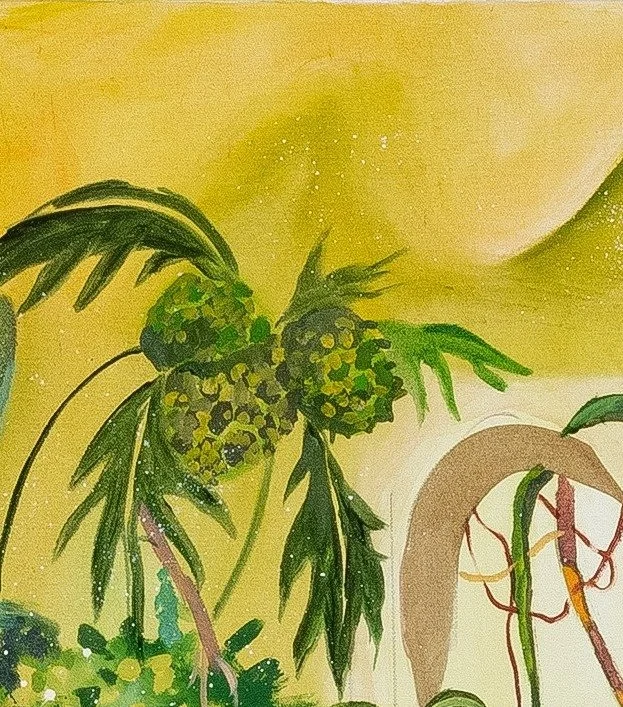
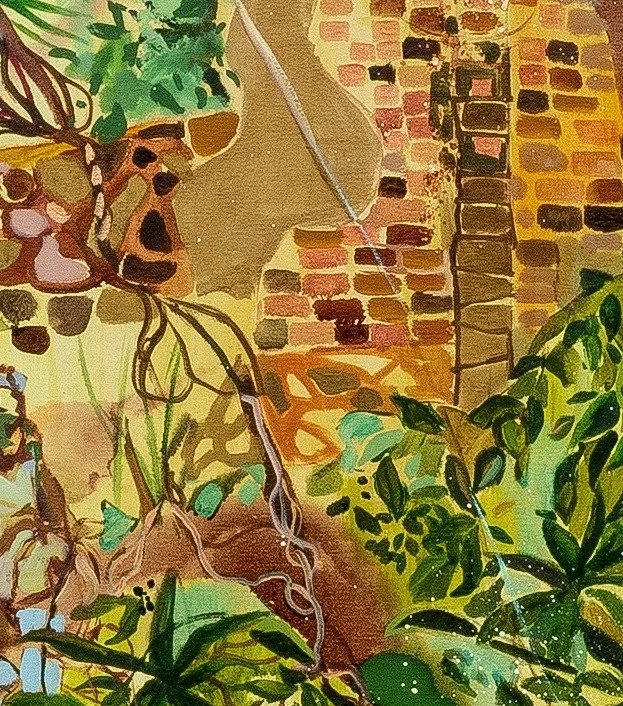
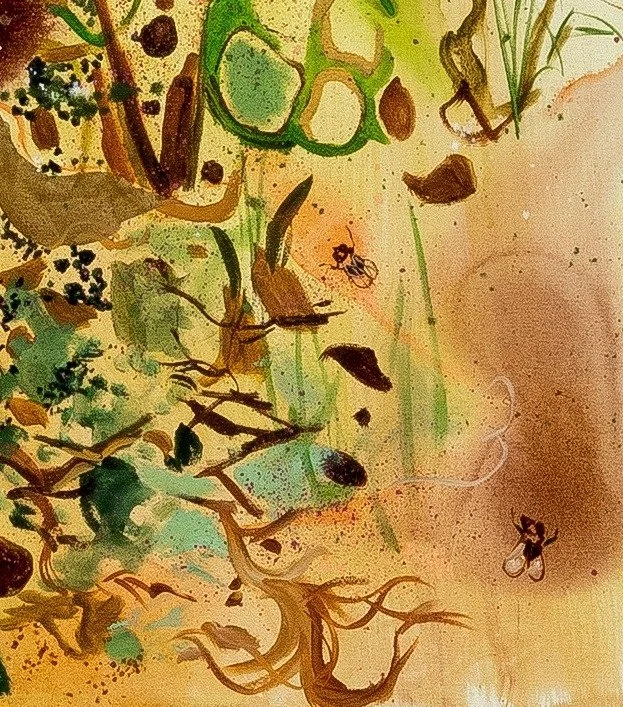
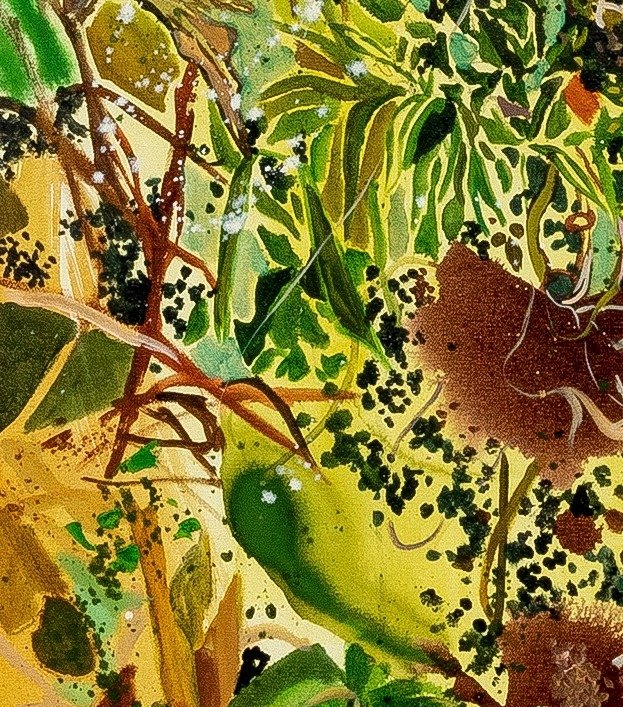
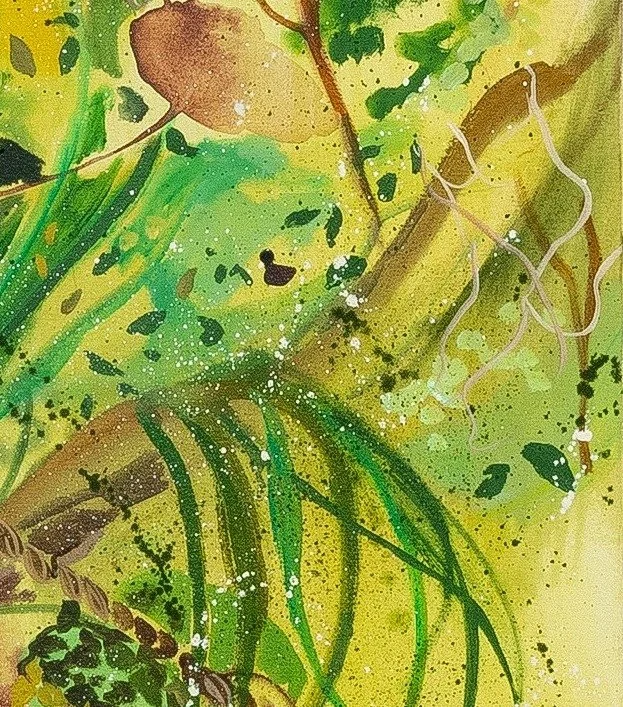
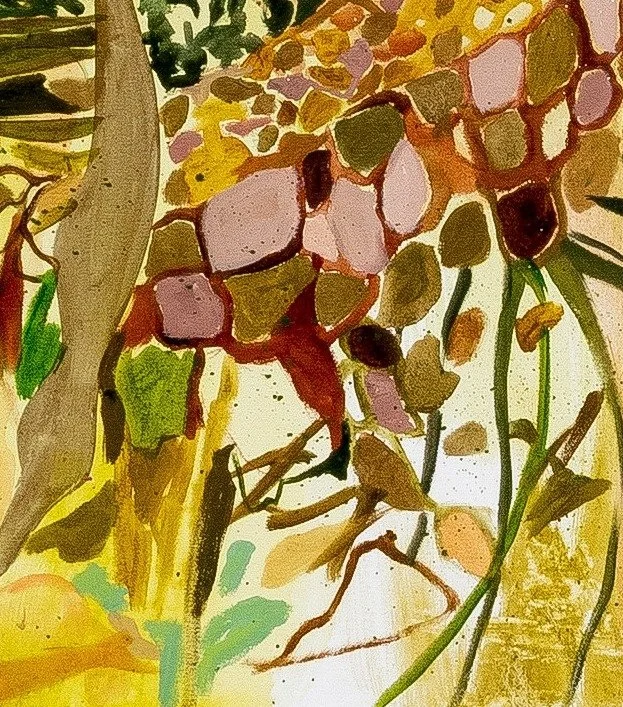
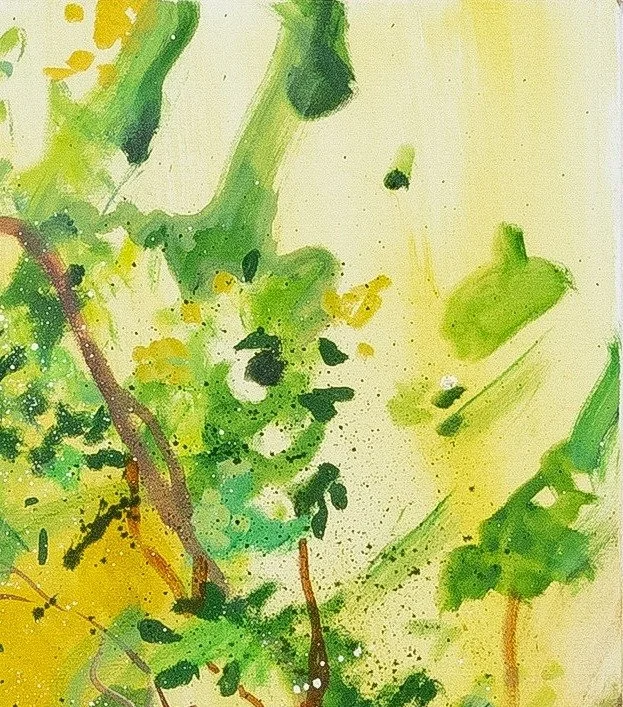
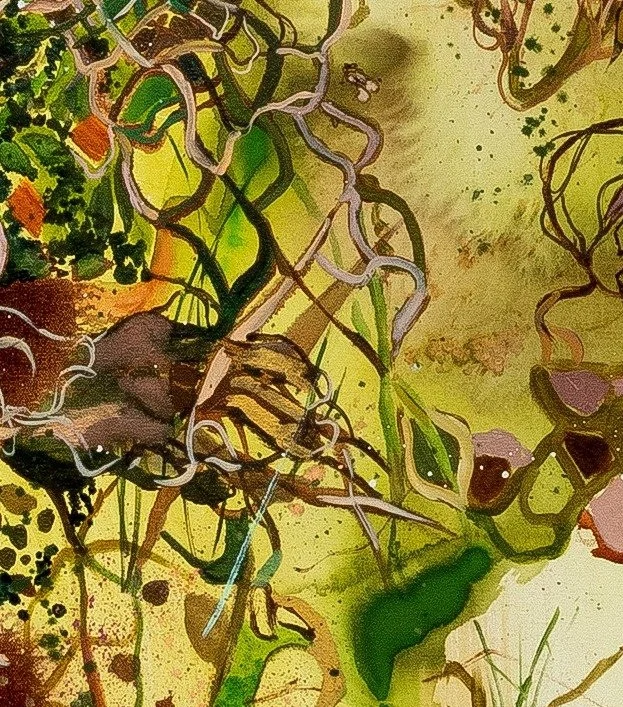
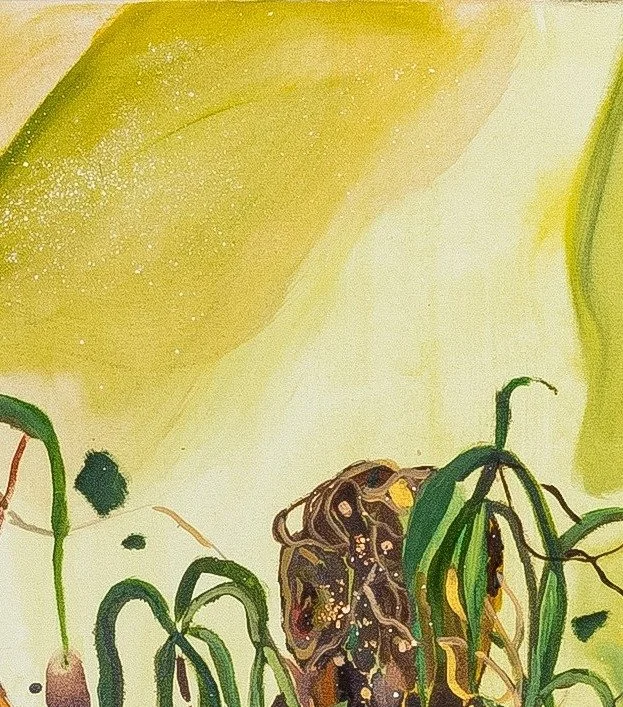
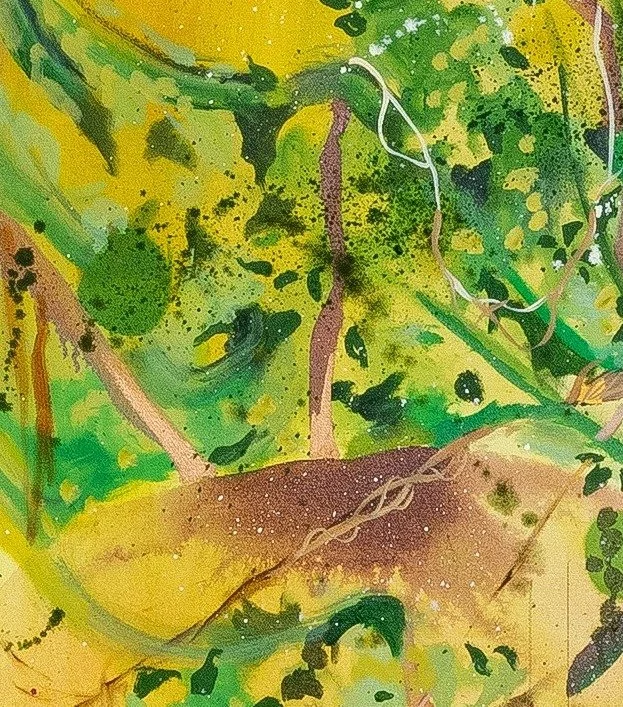
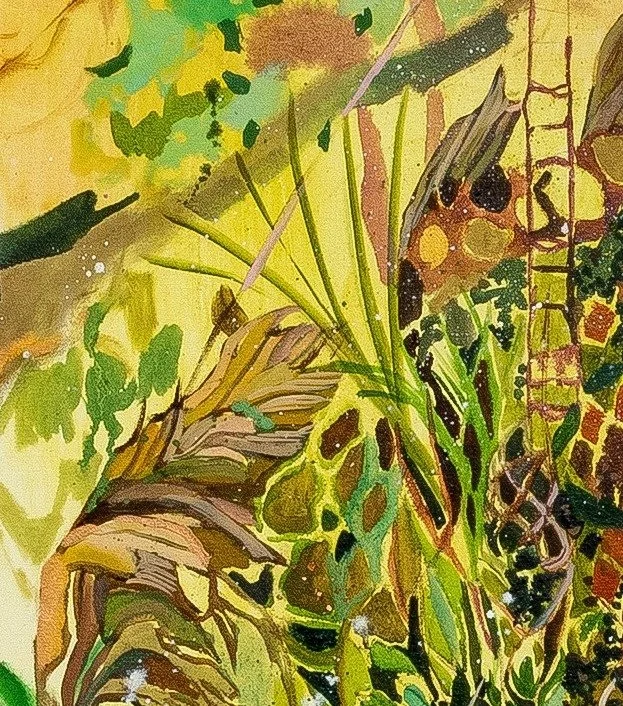
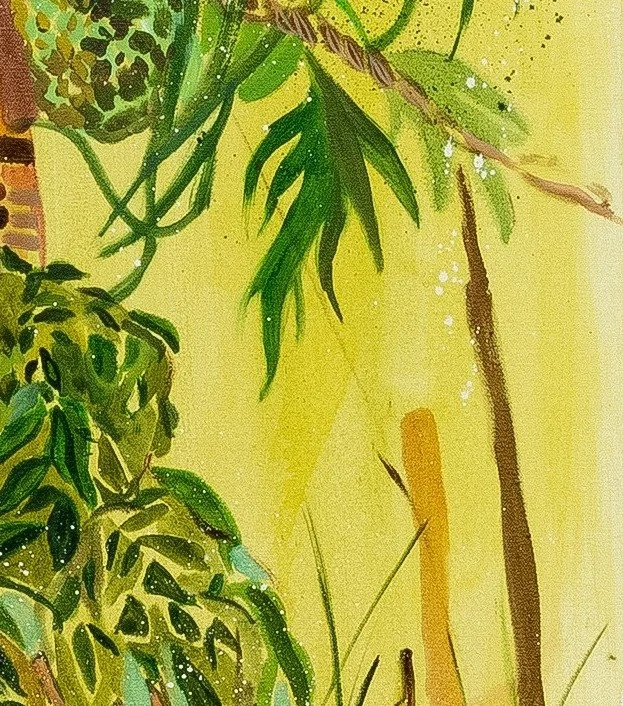
Cover art by Laurena Finéus
In “Jardin de Mackandal” (The Garden of Mackandal), the focus is the breadfruit tree, a hardy symbol of survival. Known for its role in Haiti's reforestation, the breadfruit tree thrives in poor soil and is a reliable source of sustenance, especially in times of crisis.