
Contemplating Craters in Old Growth Forest, Silver Lake, Vermont
by Mary Fontana
The Pyrenees and the Alps, which stretched from east to west, meant that many trees were unable to move south ahead of the ice. Once trapped they perished, leaving Europe with a far less diverse tree flora than that of North America or Asia.
-Russell & Cutler, TREES: An Illustrated Identifier and Encyclopedia
A bright extinction is one we all spot coming, could in theory prevent. By definition there were no bright extinctions before humans arrived. Not just arrived: before we understood our power.
*
The great northeastern forests never burned like their western sisters. Their flora never fire-hardened; their first peoples practiced other kinds of forestry. For centuries spent leaves of maple, ash and birch stacked up in a disintegrating skin, hospitable to arching roots, small burrowing creatures.
Then in the bellies of the first masted ships came shovelsful of the Old World—and in that ballast, earthworms. Within a few decades their appetites left vast tapestries of ancient trees on tiptoe. It’s still too early to tell how each tree will react over time: lower its bulk until it sinks again into the diminished earth? Or, unable to adapt, tip over?
*
We walk down a logging road to old-growth forest, known by its nurse logs and rough topography: all around us the roots of windthrown trees have ripped craters into the earth. -Δ−, my husband’s sister, twelve years older and far too young, walks well enough with her new trekking poles, unsteady only compared to the deft step she still possessed six months ago. My boys pound ahead down the path, stopping for mushrooms, a rotting log, a thrush in the branches. Their evolution’s all upward: inches and an awkward sweetness.
The thrush, we learned, is one of those birds that live only at forest edges where a great tree, succumbing, has let some light crash down.
*
After the asteroid, evolution pared certain light-boned dinosaurs into birds: warmer, trimmer, better suited to a retooled world. Able to cash in on sky. Was that extinction? If Earth lost a certain fierceness, no one told the hummingbird.
*
Counterpoint: our ancestors finagled dogs, but still were allowed wolves in the wild places.
*
This spring I drove -Δ− to chemo every day for a week. One week of six, one driver of many. One hour each way. She and I had never shared such silence, dark and fecund as dirt. Scientists define evolution as the change in a population’s allele frequencies over time, which means no individual is capable of adaptation—only the community.
I, a scientist, am not sure I believe this.
*
Combine birds-eye view with human perspective: on time’s wide screen, as the Earth gets hotter, we watch as ranks of firs march up the slopes of mountains. They rack up range, it’s true, spectacular, spreading and greening rock islands in the sky. But soon they’ll teeter at the top with no place else to go.
Millennia ago this happened in reverse. Trees fled ahead of ice til mountain fences sealed off their retreat. Sweet gum, sequoia, umbrella pine, hemlock, hickory—all extinct in Europe, while in the New World they migrated southward and survived.
*
We humans too take whatever path lies open to us. Mostly we fly blind in this new world, carrying the seeds of our extinction in our own slow-dawning bodies. Someday I will grow unsteady on my feet. My hair will thin. Some dendrites in my brain will topple, a clear-cutting that will prone me to forgetfulness. Why sorrow at having to walk more slowly through the forest?
What’s the name for an extinction we see coming but are powerless to prevent?
*
After the evidence was presented, -Δ− reddened her nails in glamorous defiance.
She shaved her head and taped a punk array of magnets to her skull.
If we can all be together at Christmas, she said, I’ll make Vanillekipferl.
I never saw her sink into despair. Some of us took care of that for her—kin selection.
As certain routes iced over she revised the map: marveled at house finches bickering at the backyard feeder, the fat burst of potted peonies. One perfect line of poetry, read aloud.
*
But refused to speak of the map’s sharp edge.
*
The murmur of trees slips past the brain, quiets some small creature burrowed in the chest. One fallen matriarch has feathered up into a dozen saplings, sippers of riches, the nurse log washed in sunlight newly admitted.
*
-Δ− used to run for miles along the towpath in Princeton and come home heartspent, clear-sighted. She nursed two daughters, neither of whom are trees. An inconvenient truth: love pares each of us into the very last of our kind.
*
We did not mourn as our children sprouted up, giving rise to themselves again and again, though we missed the toddling step, the lisp, their warm weight in our arms. We allomothers.
Or, we mourned, but only a little, mixed with delight.
*
Trees can’t spot what’s coming—whether ice or climbing heat or clouds of burrowing beetles. We are here to learn from them, I guess.
Or maybe what we are trying to be is grateful. What we name loss, forests of prehistoric ferns
name nothing. A green cathedral settles around us, descendants of dinosaurs trilling in its clerestories.
*
But what name, please, for that white-hot streak in the sky? I try grief, love, fate—each an incandescence, spelling obliteration. Too bright to look at directly. Erratic stone embedding in the debris field of the heart.
*
Five stages of extinction: denial, anger, bargaining, depression, acceptance—
which is itself a craft of adaptation.
Cutler, Catherine and Tony Russel. TREES: An Illustrated Identifier And Encyclopedia. Southwater, 2014.
ABOUT THE CREATOR
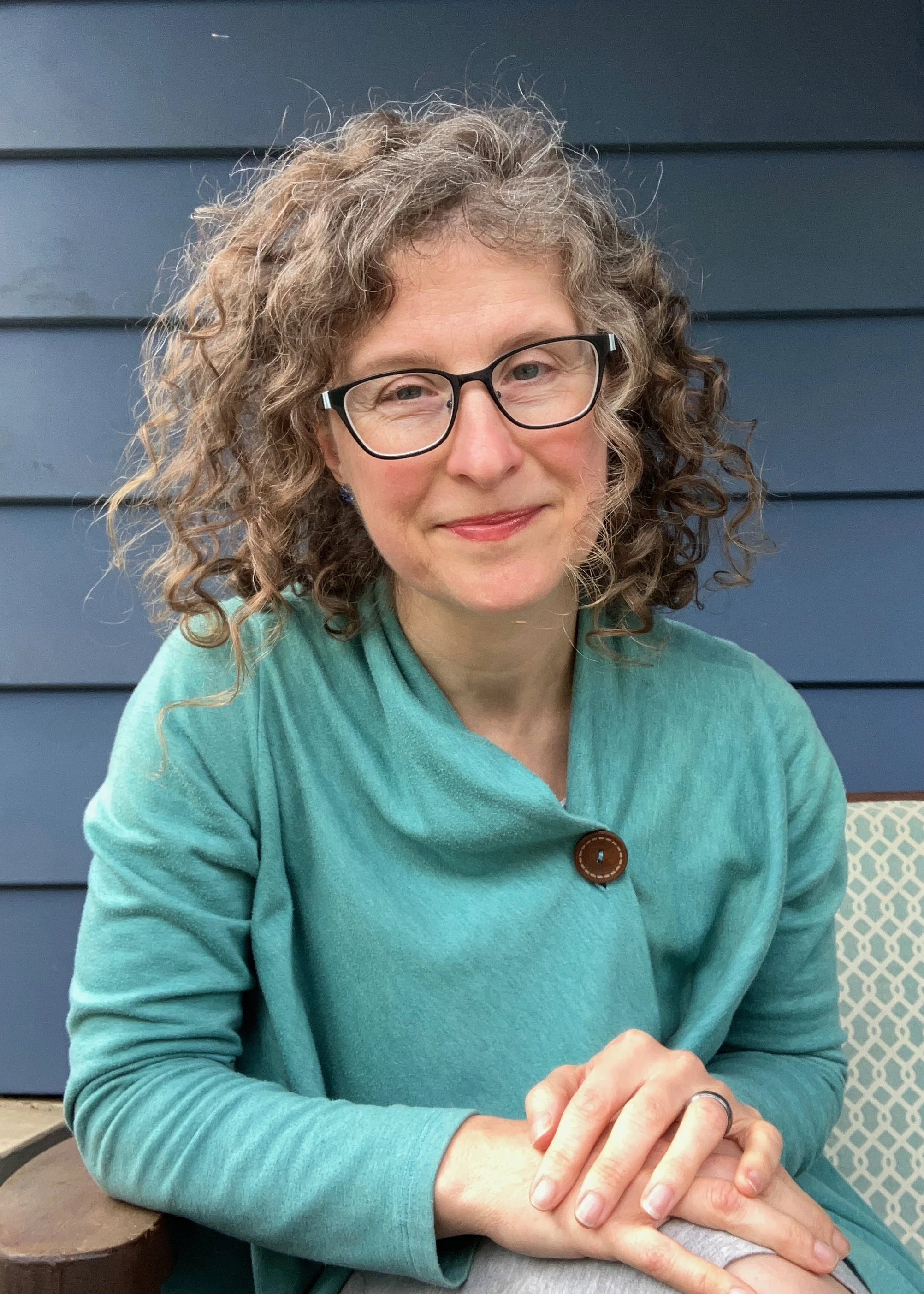
Mary Fontana is the author of Strangers in the Province of Joy, a narrative history of migration across the US-Mexico border. Her work has been nominated for Best of the Net and appeared in The Sun, The Kenyon Review, America, Prairie Schooner, The Hudson Review, Only Poems, BorderLore, and elsewhere. Born in south Louisiana, she now lives in Seattle, but spends much of each summer with her family-in-law in Vermont.
Website: maryfontana.com
Instagram: @maryfontanawrites
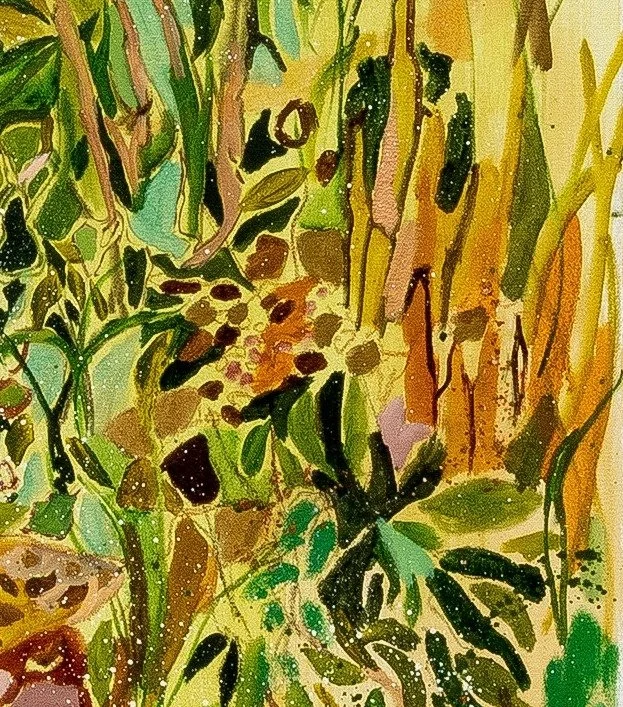
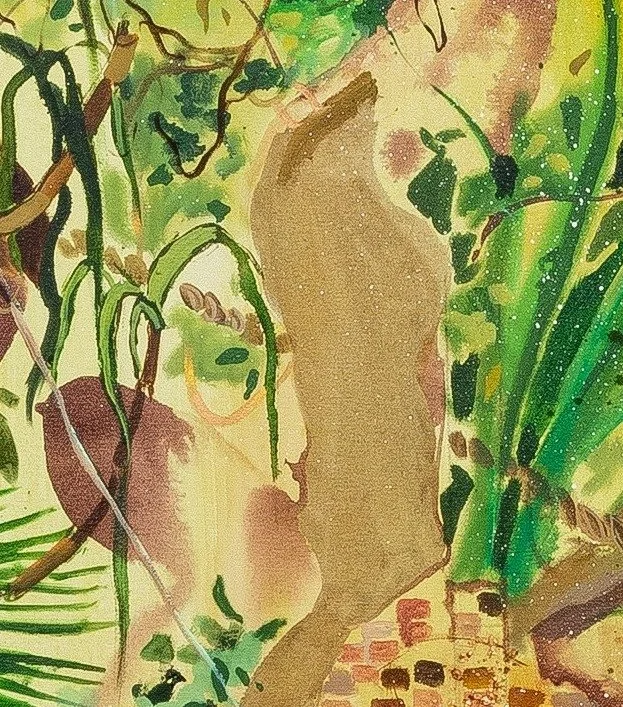
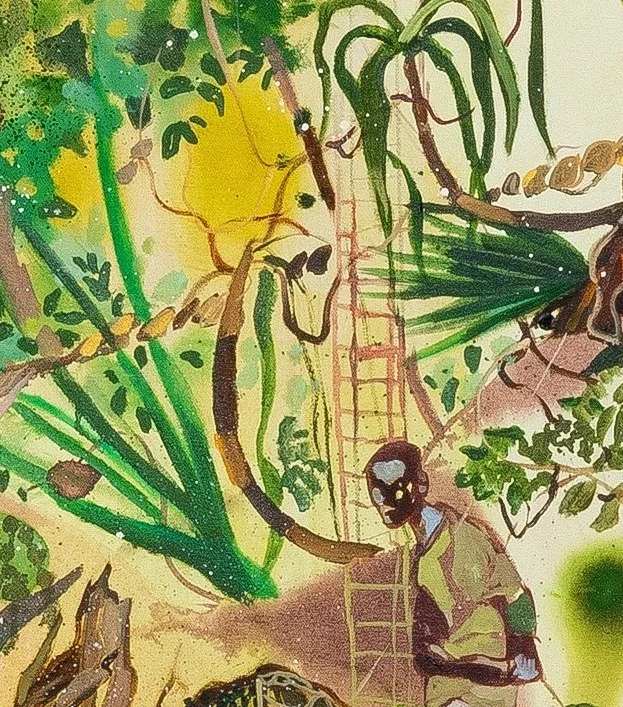
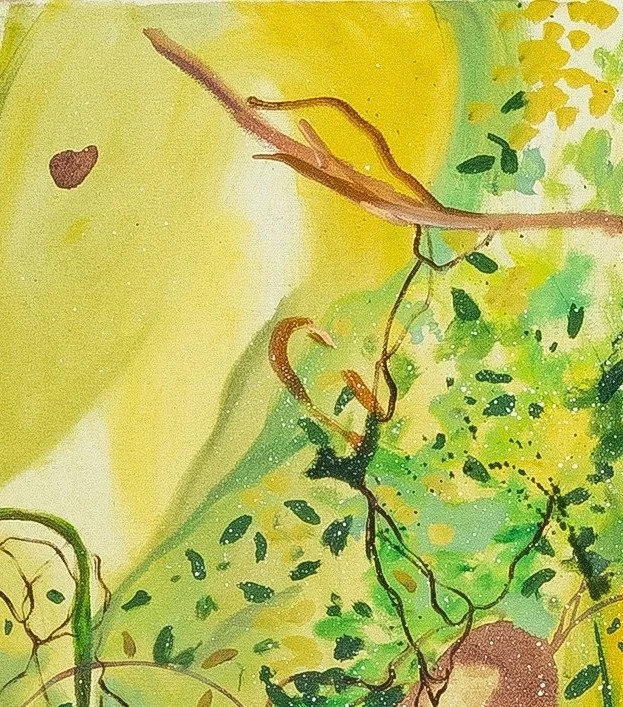
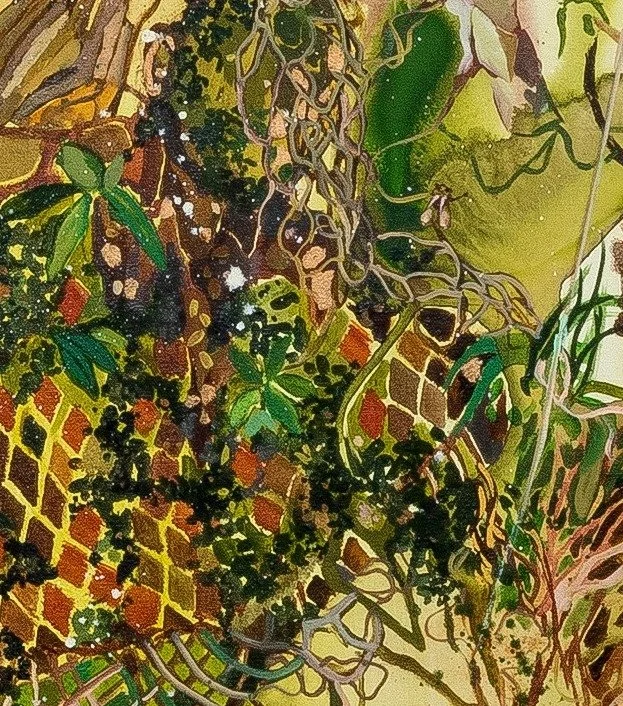
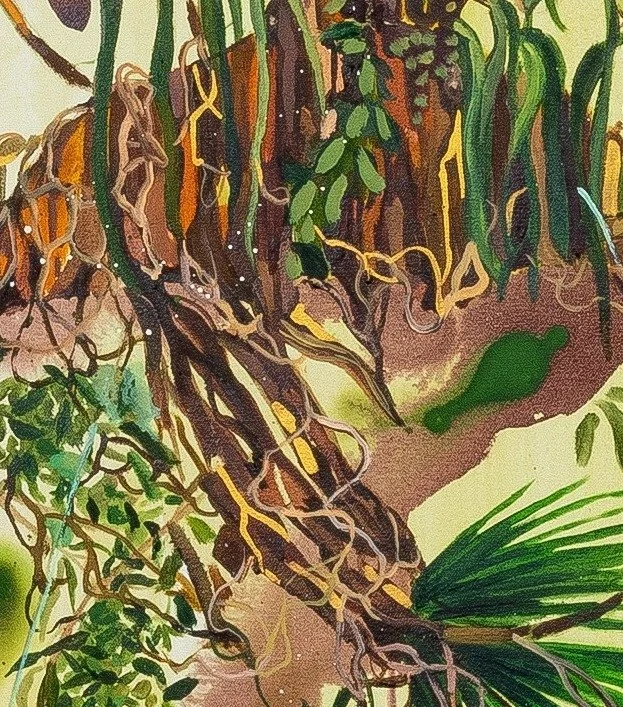
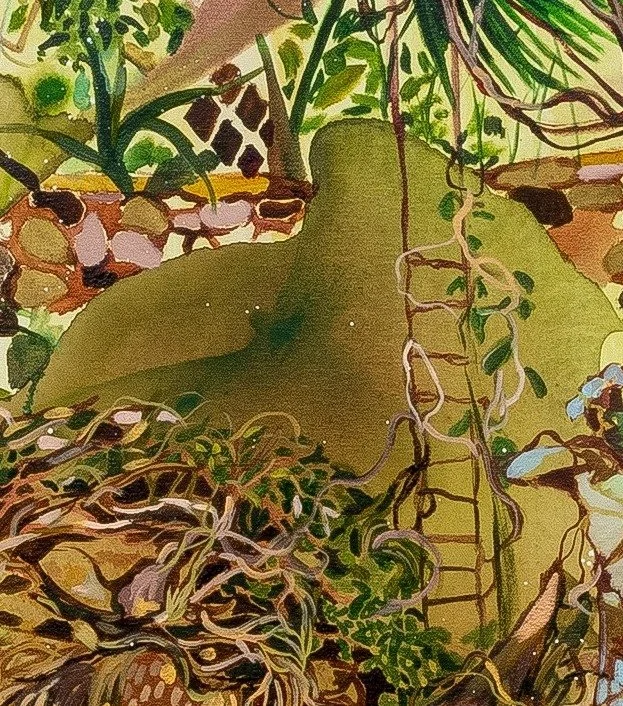
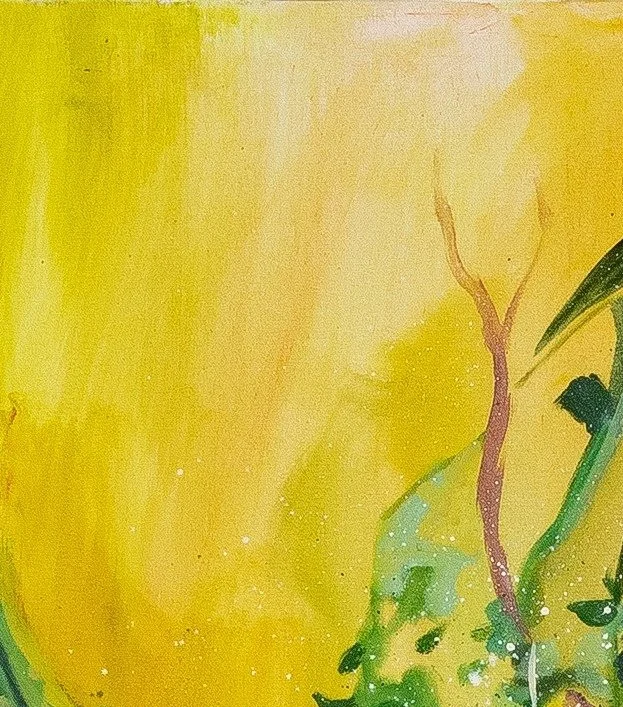
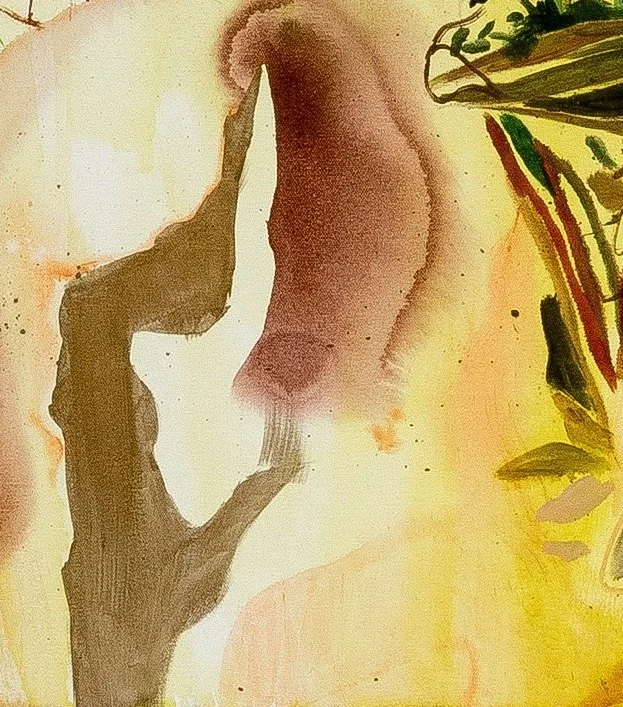
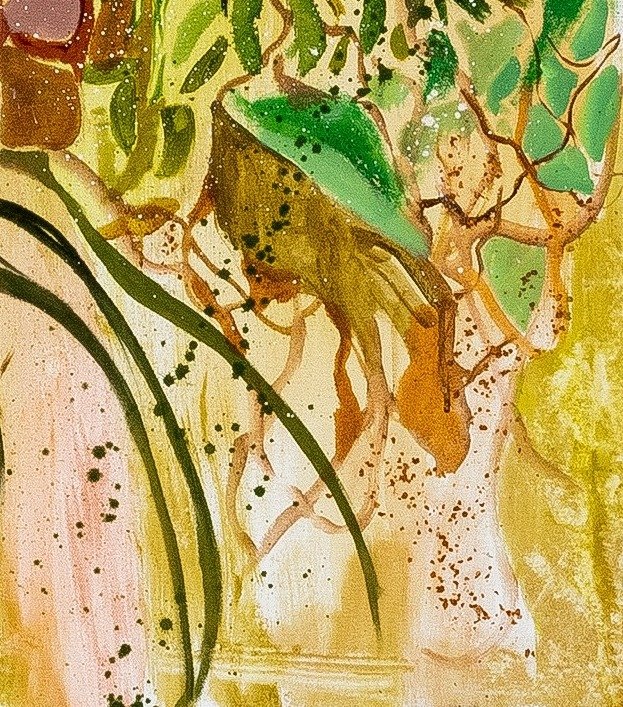
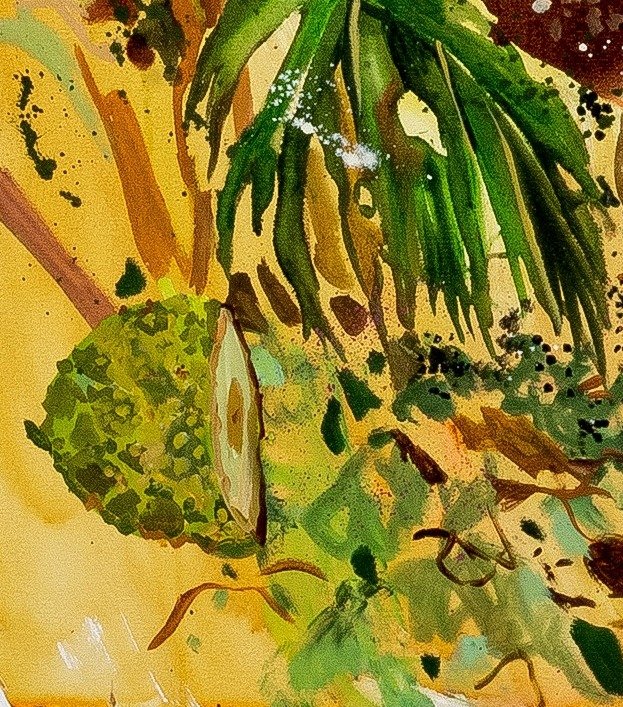
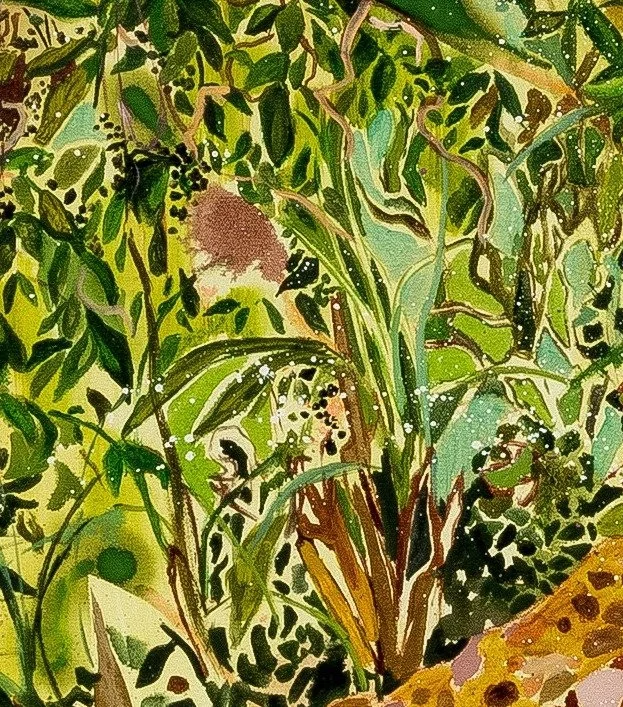
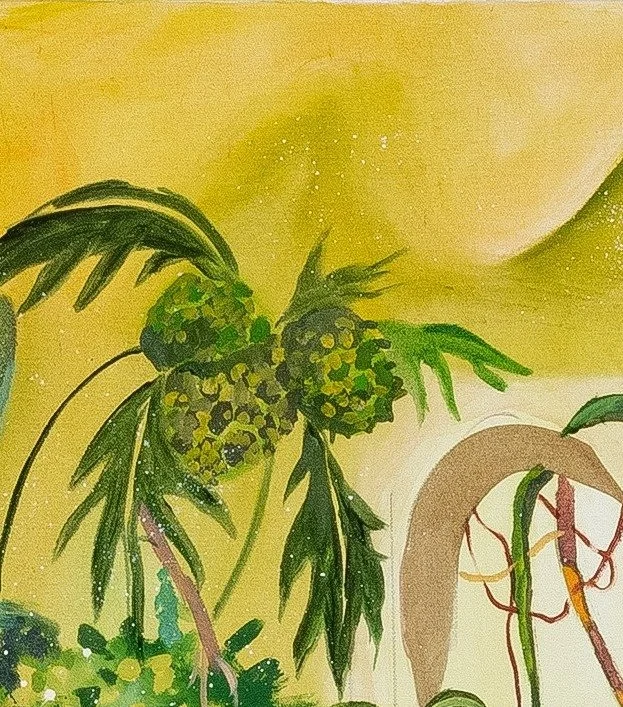
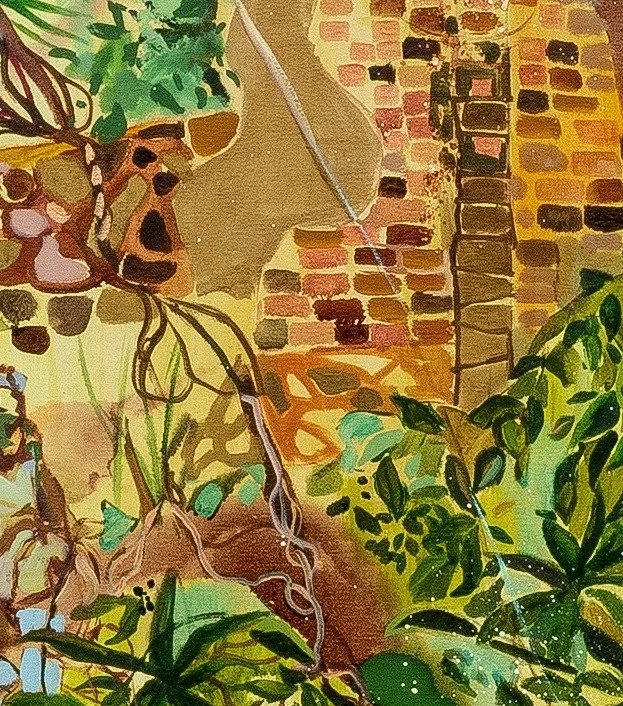
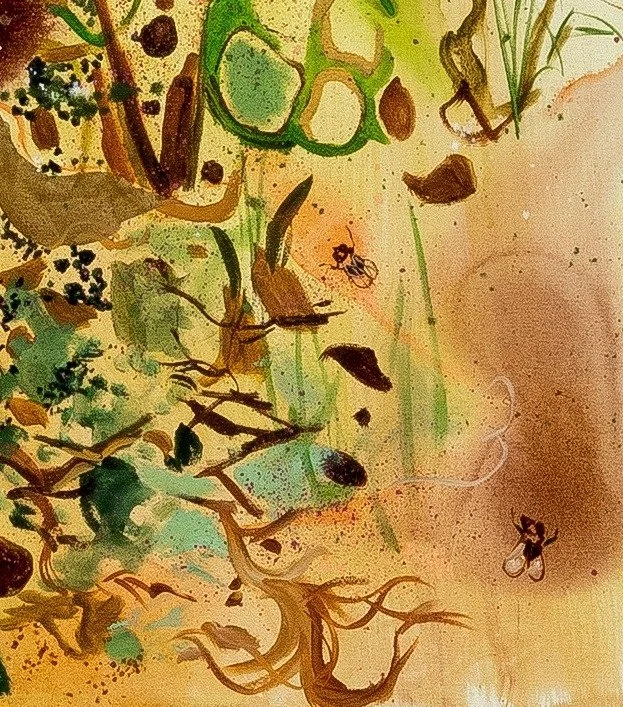
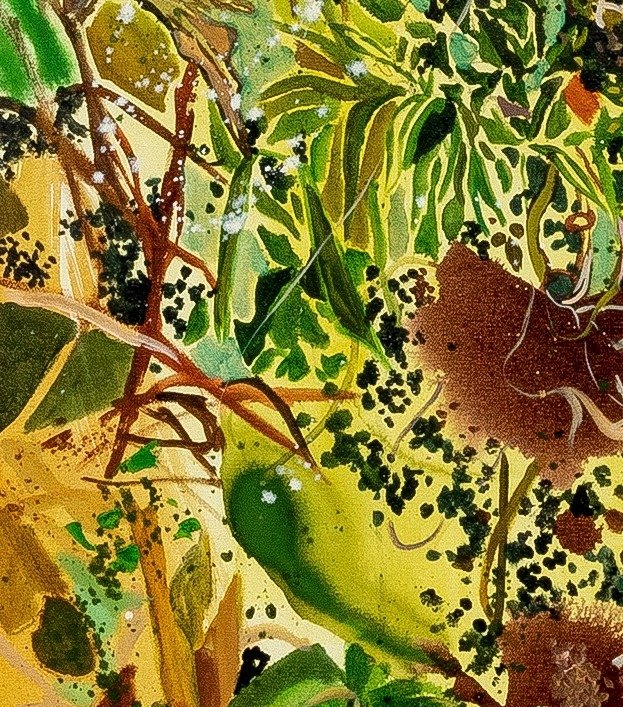
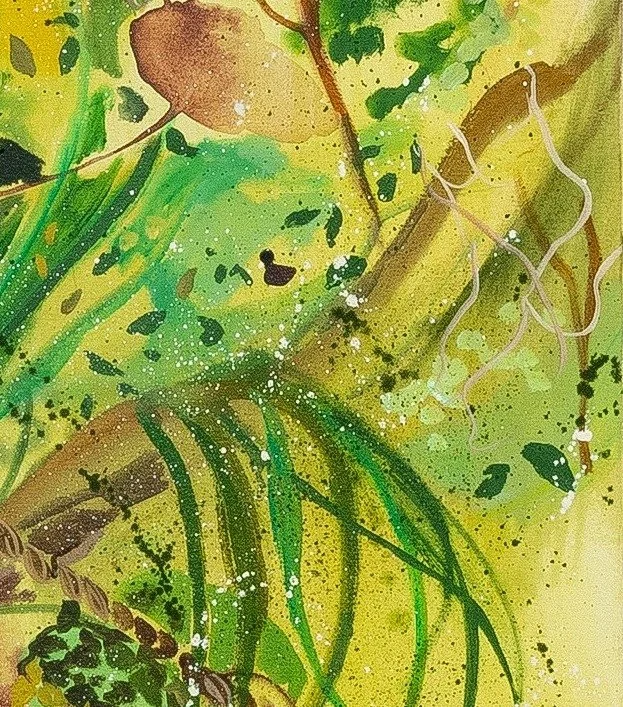
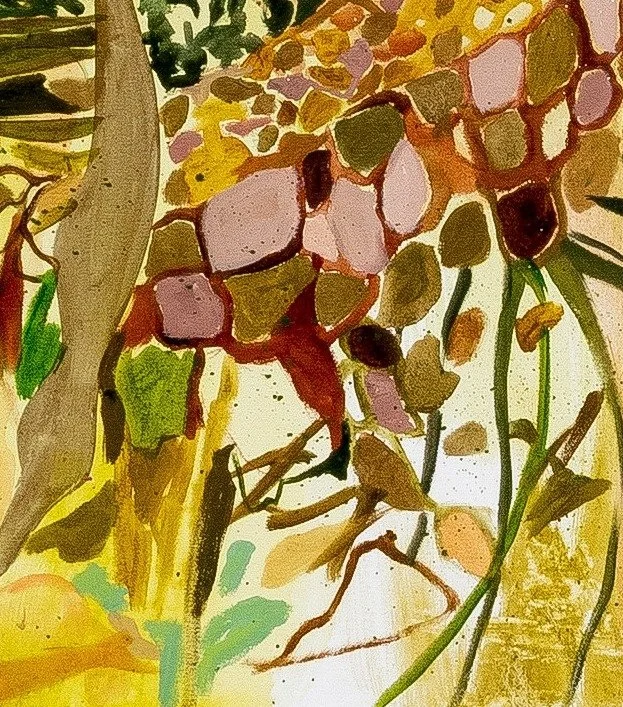
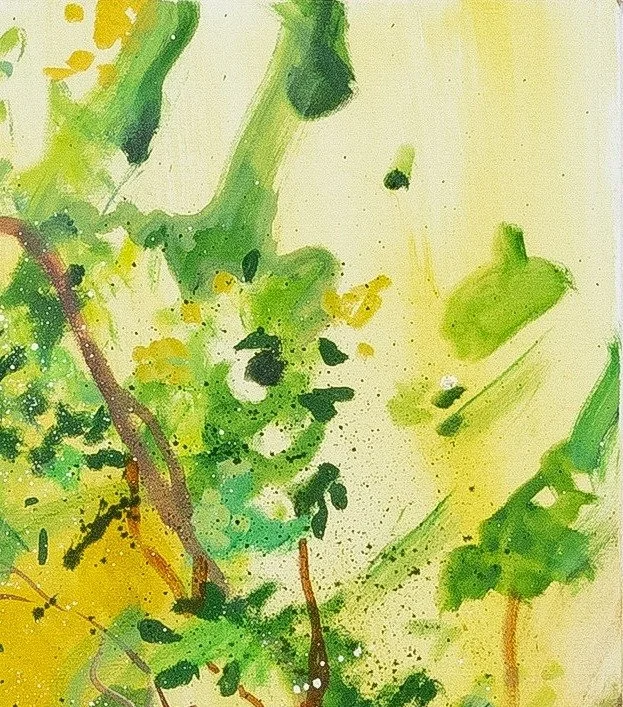
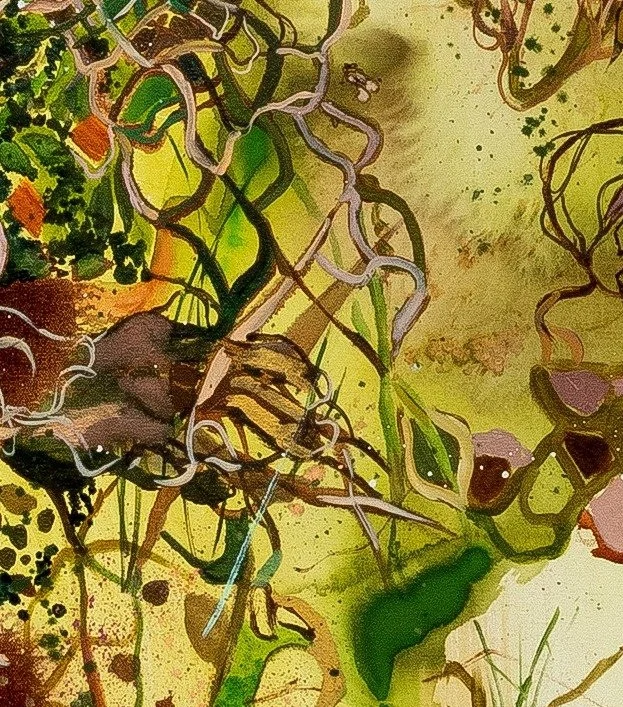
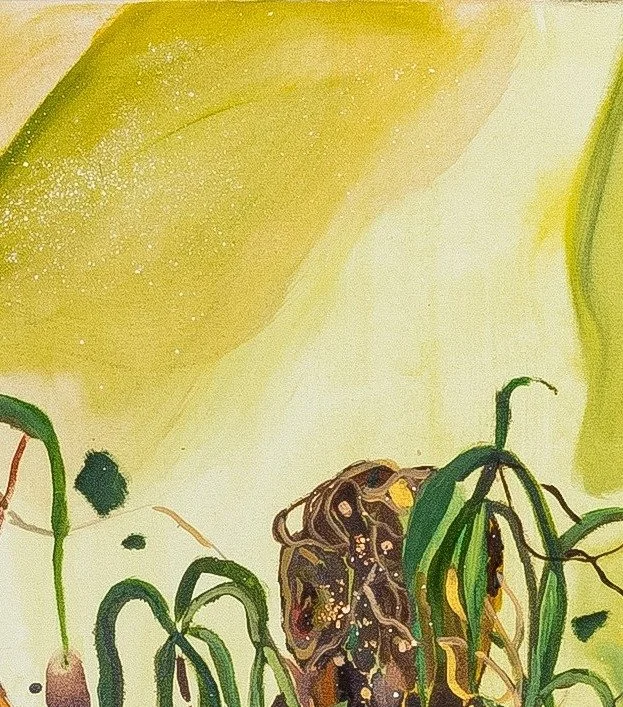
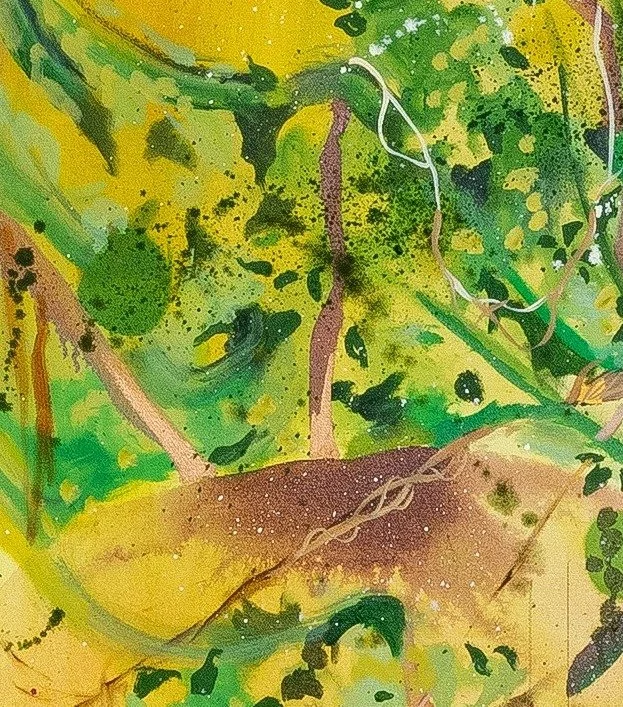
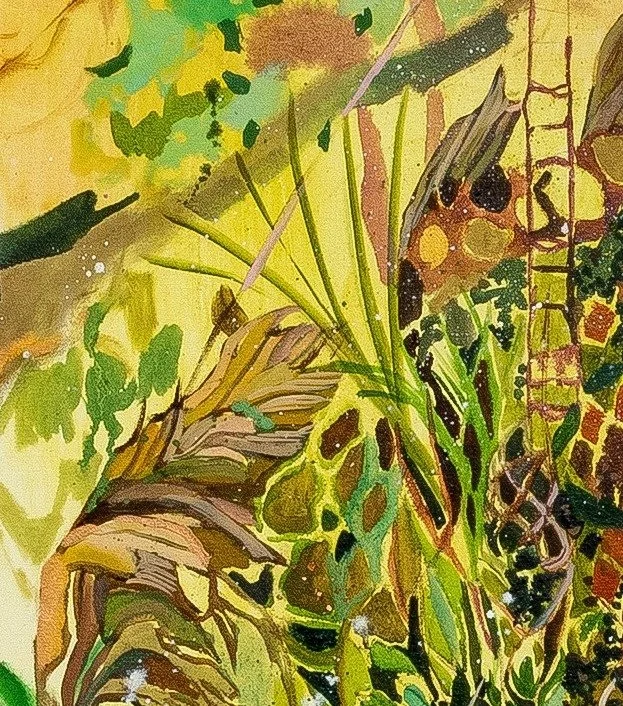
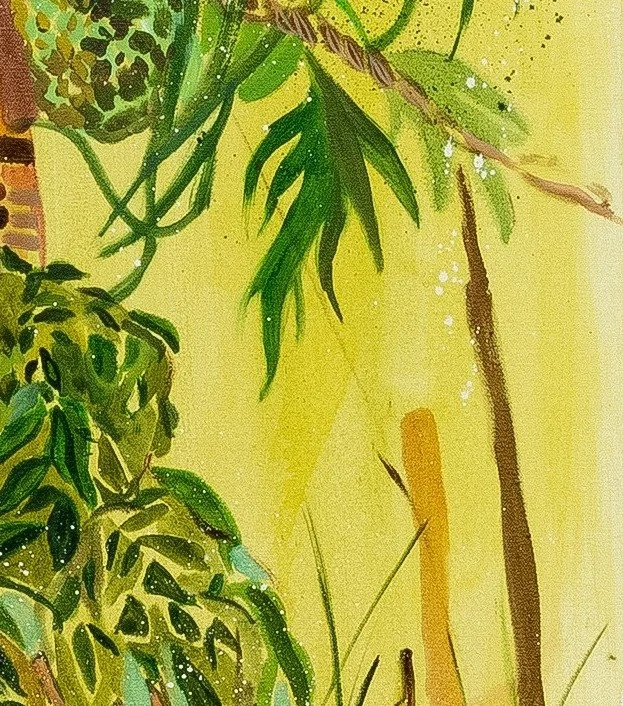
Cover art by Laurena Finéus
In “Jardin de Mackandal” (The Garden of Mackandal), the focus is the breadfruit tree, a hardy symbol of survival. Known for its role in Haiti's reforestation, the breadfruit tree thrives in poor soil and is a reliable source of sustenance, especially in times of crisis.