Bábolna
by László Gábor Belicza
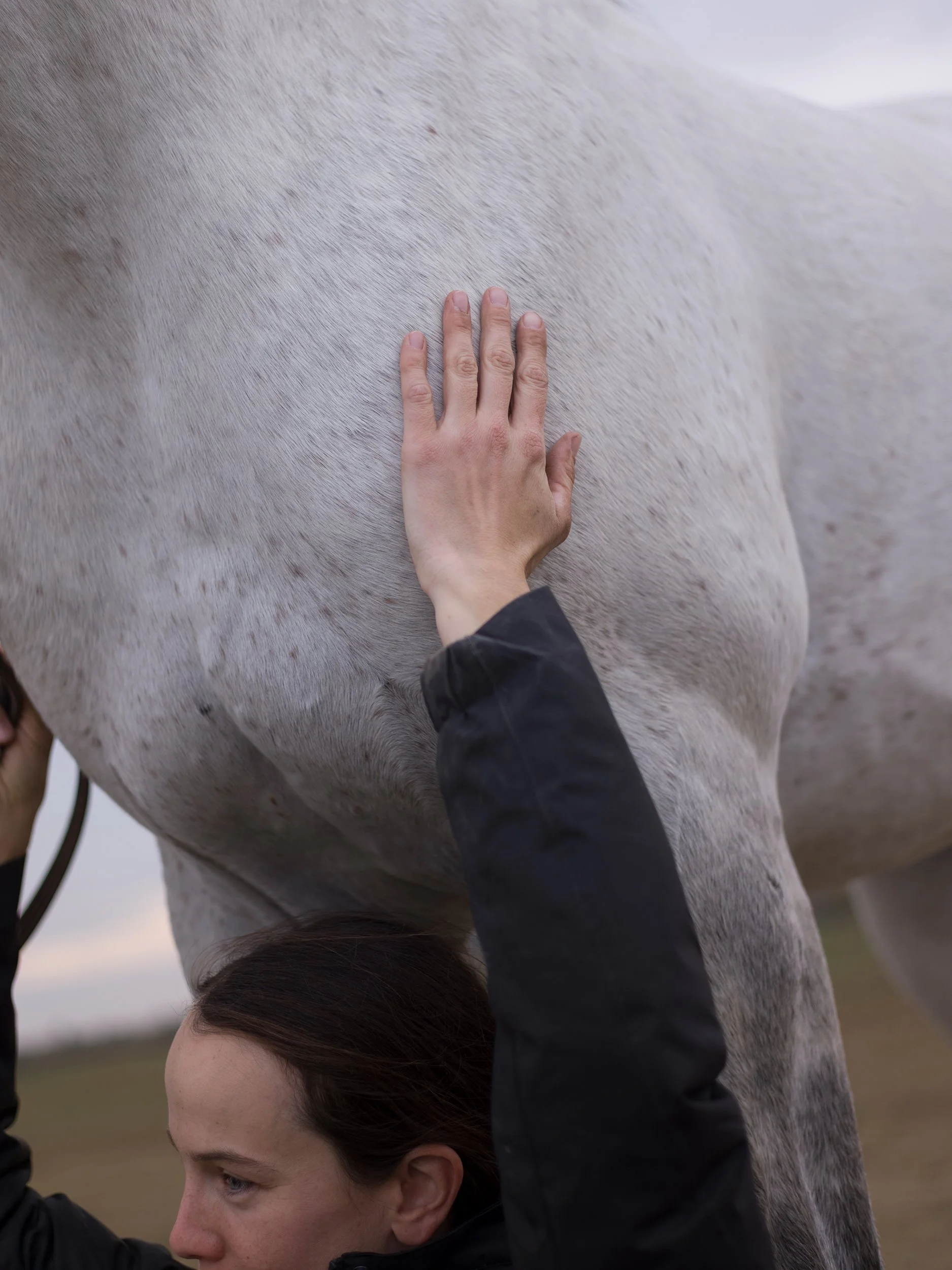
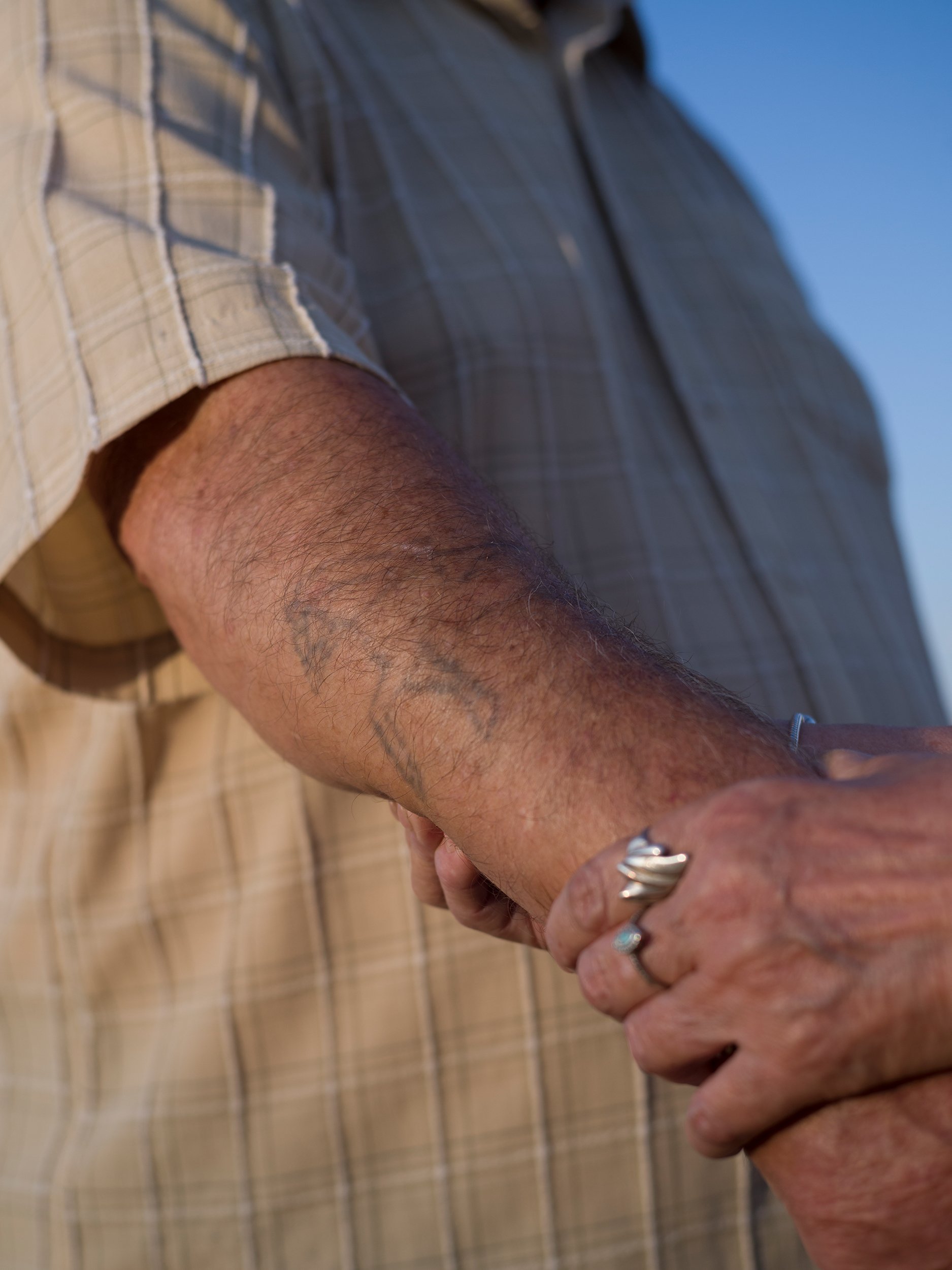
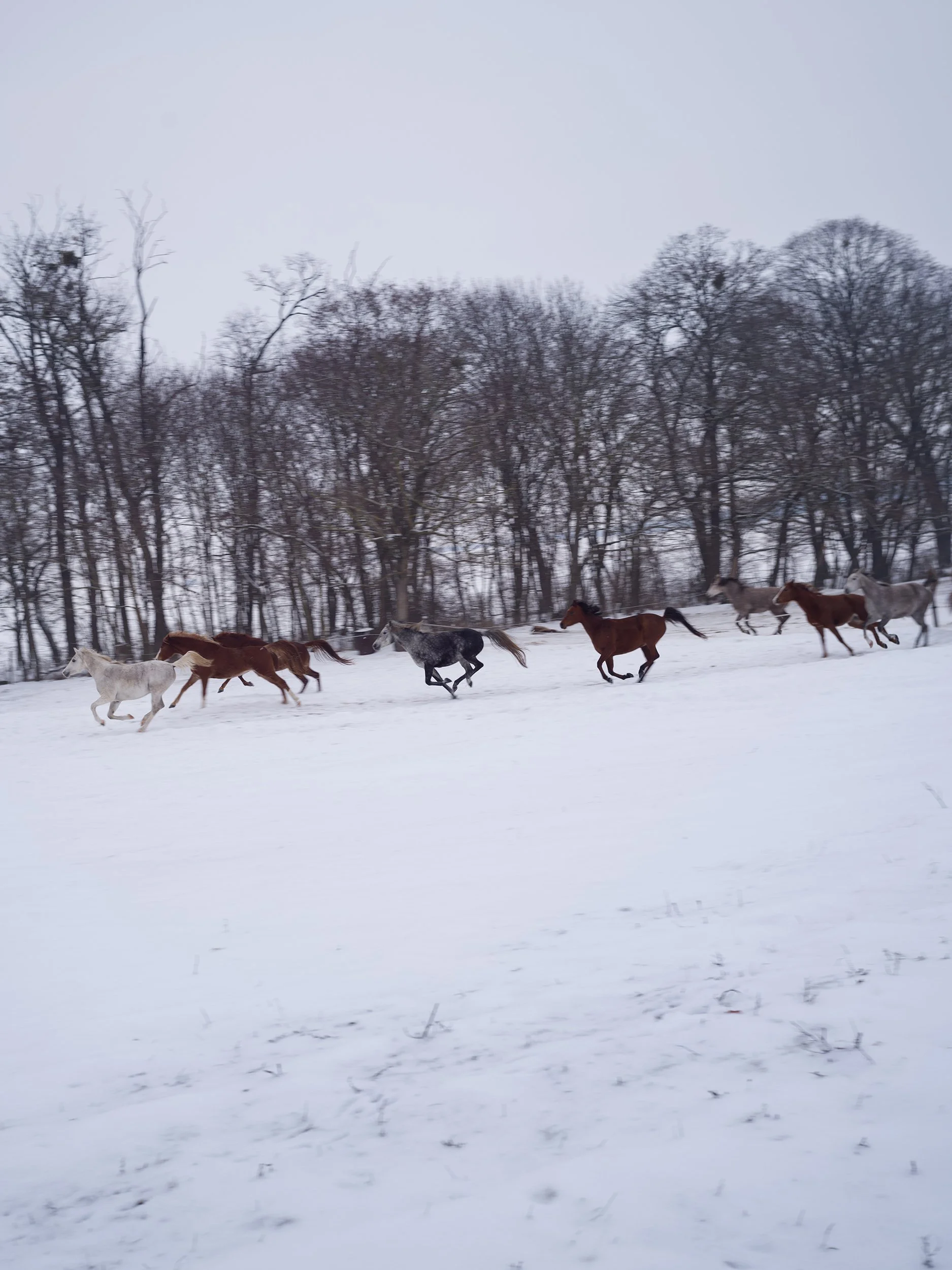
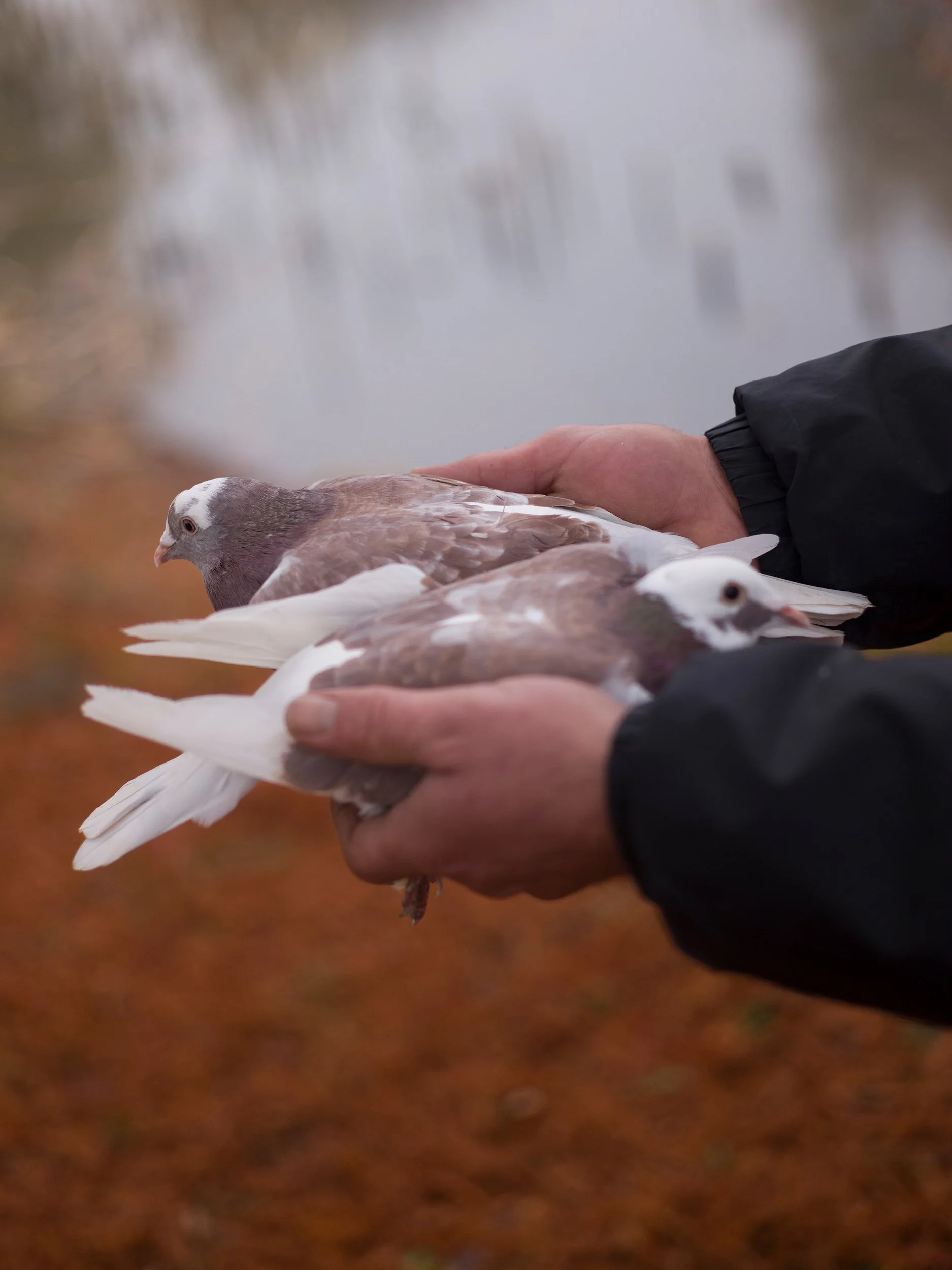
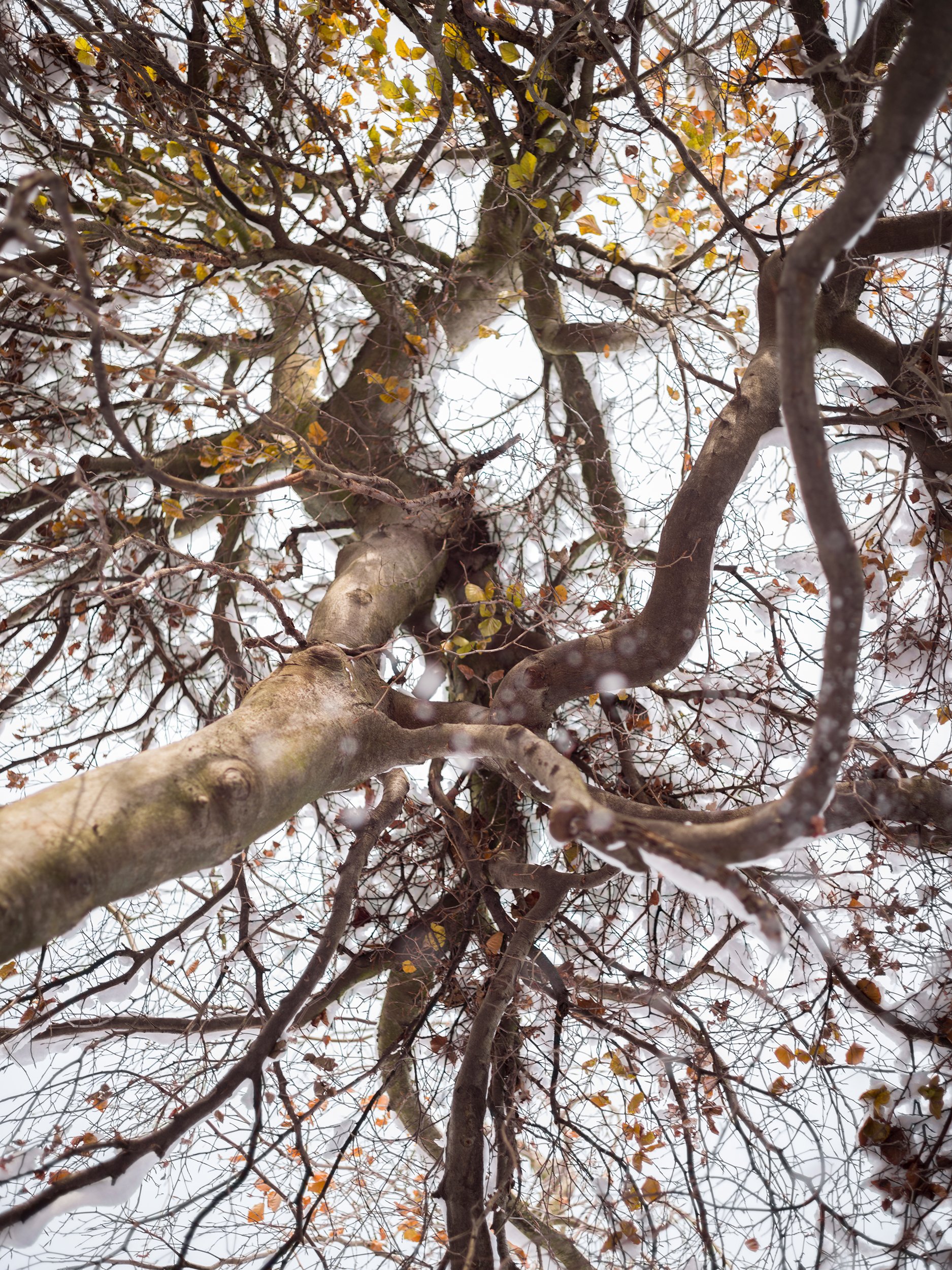
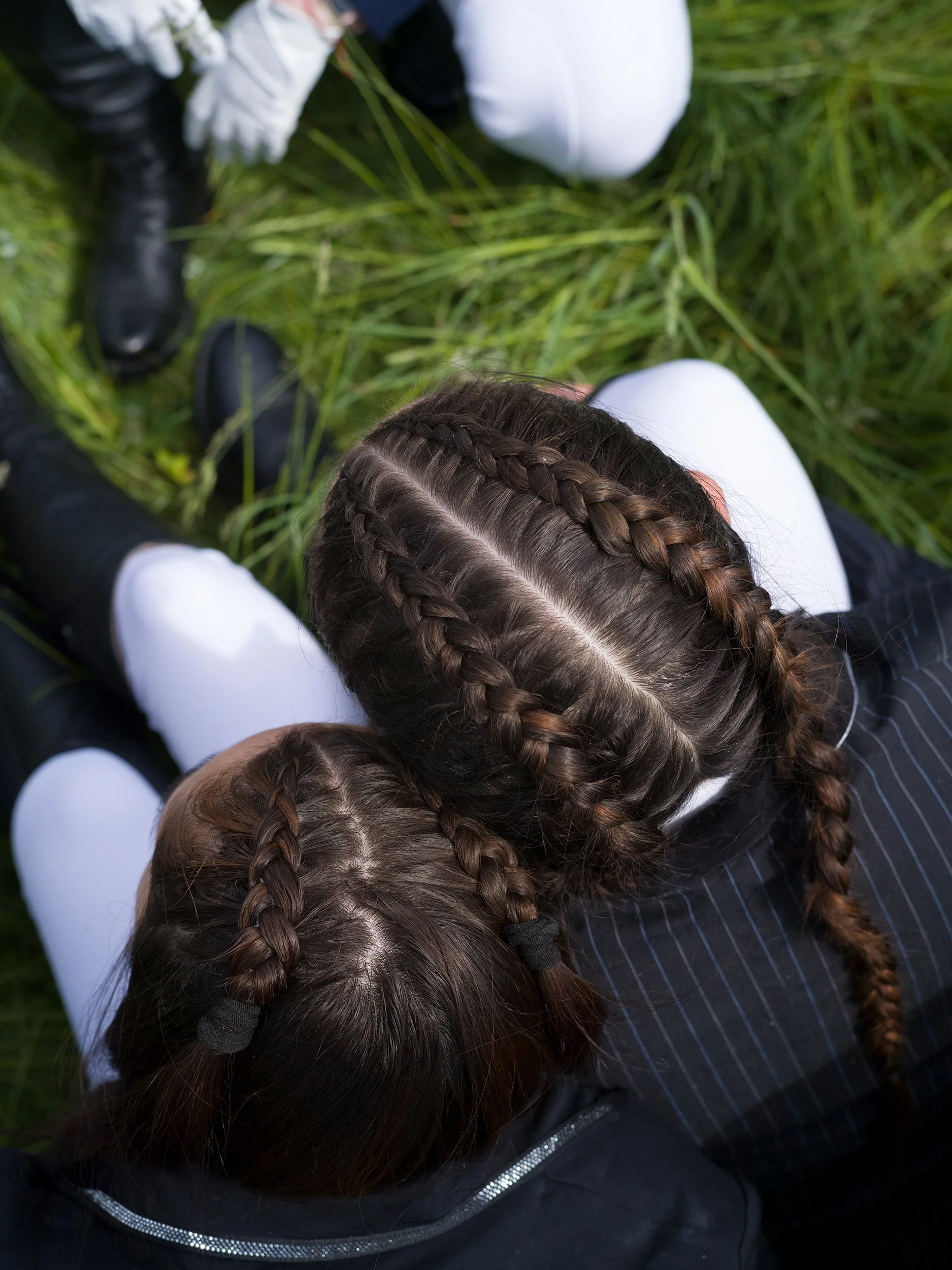
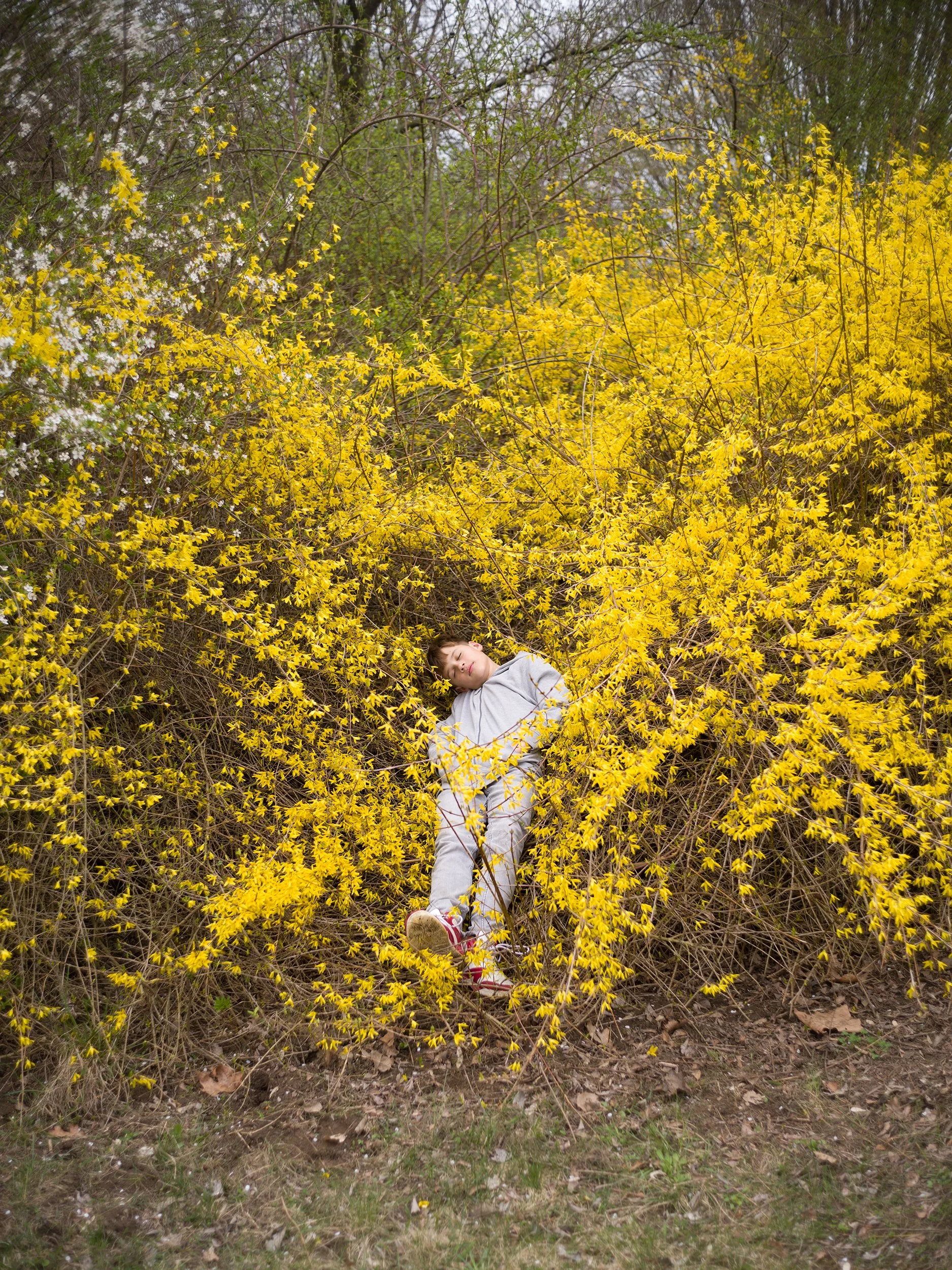
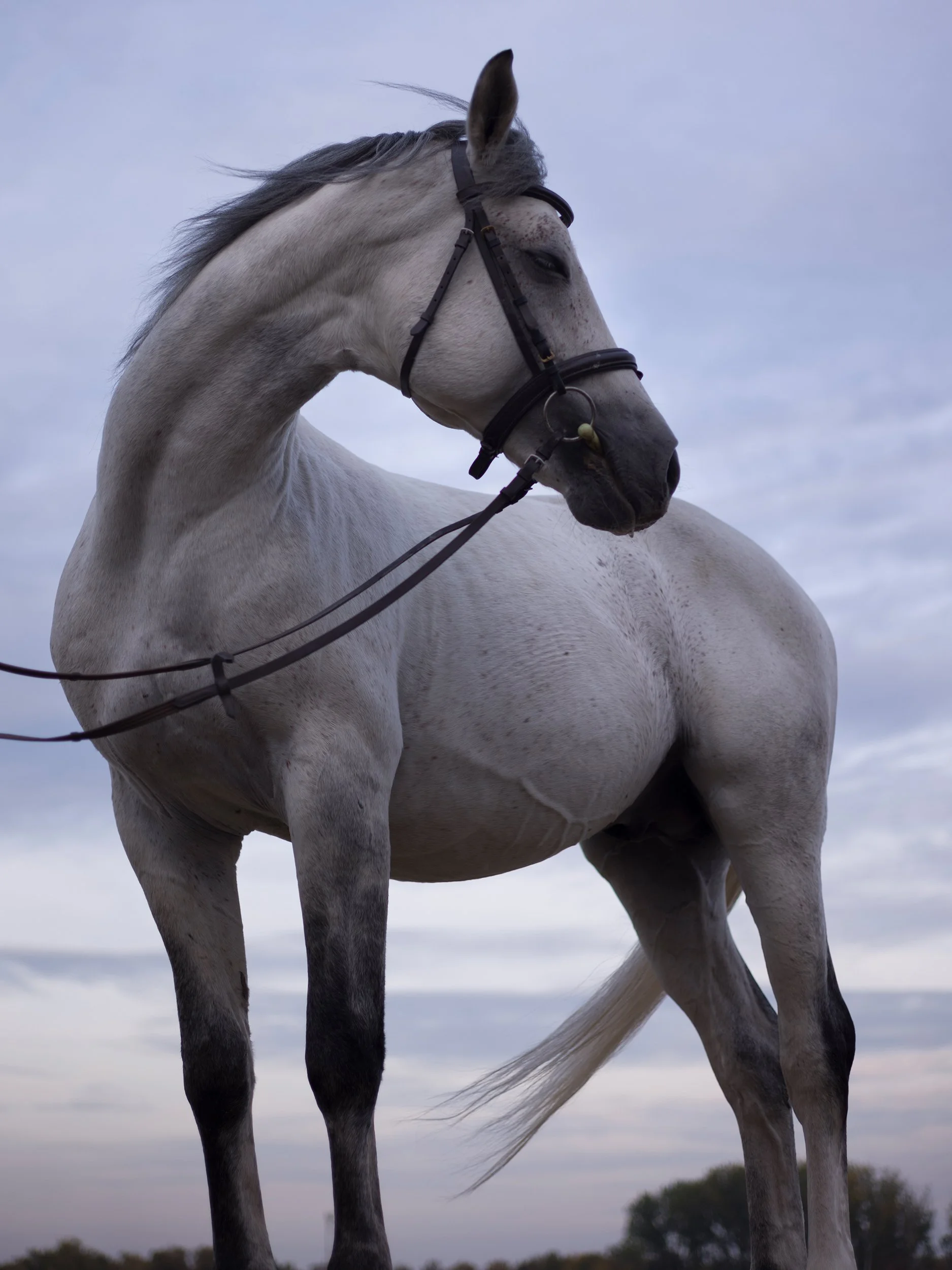
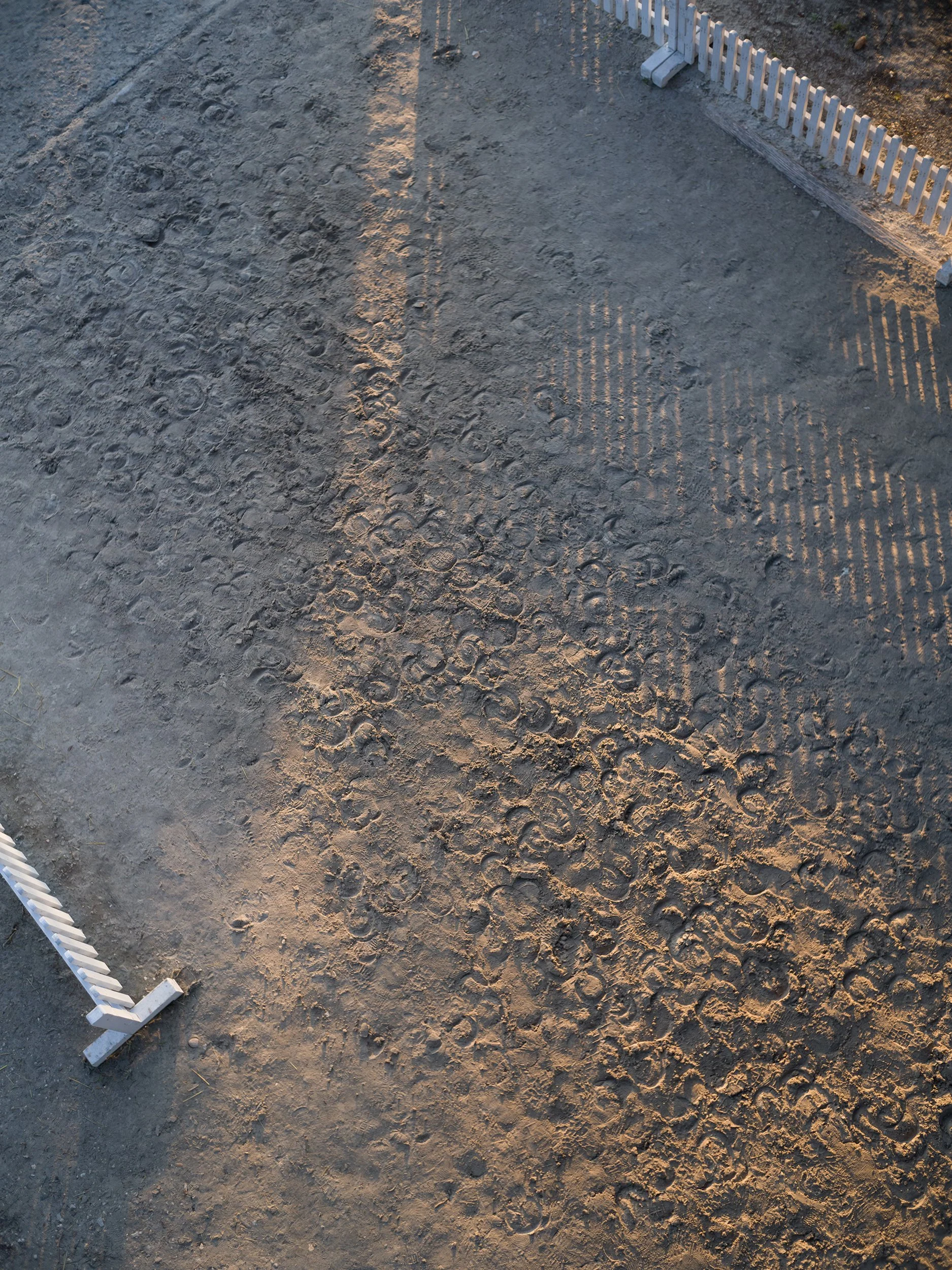
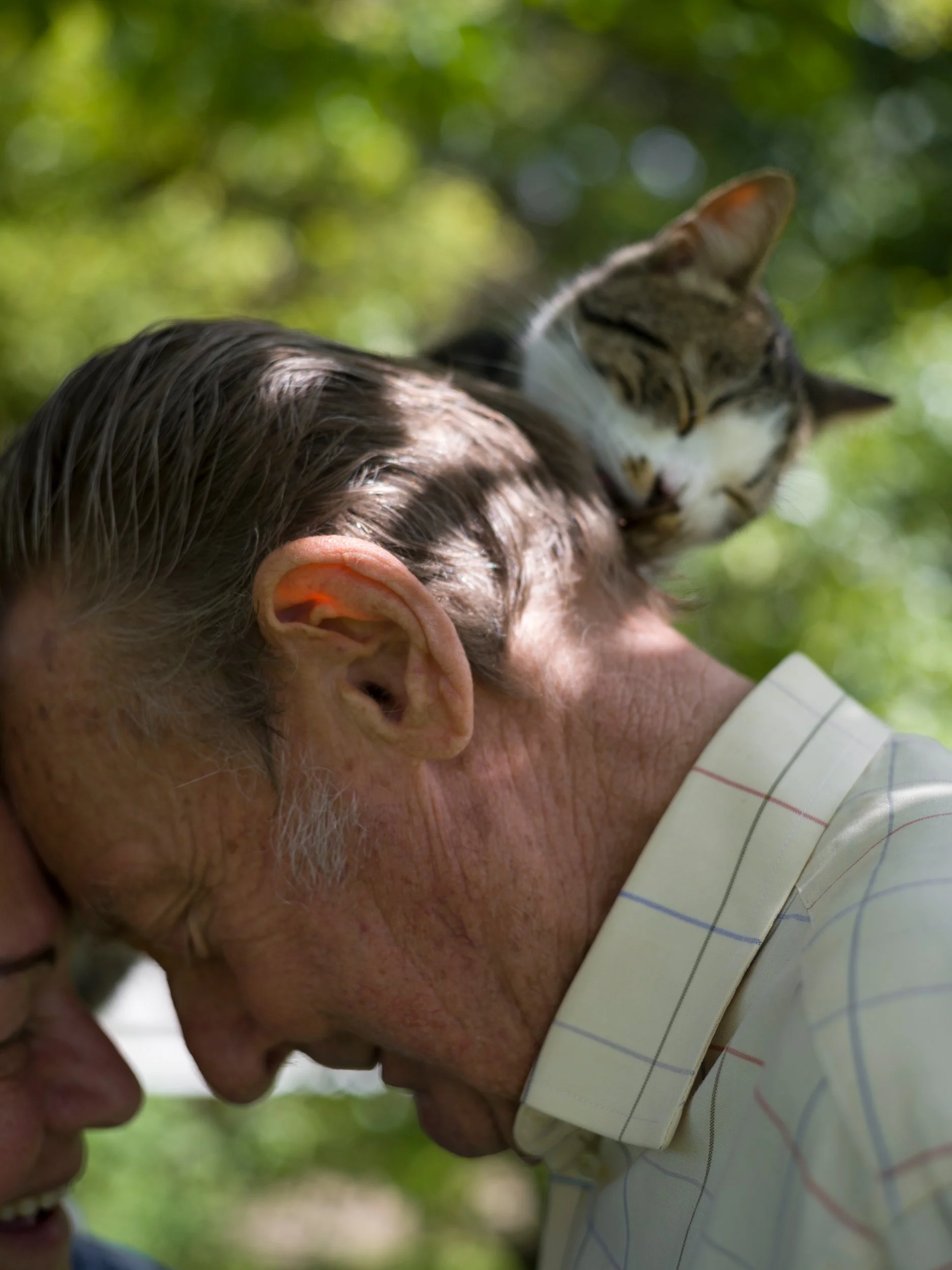
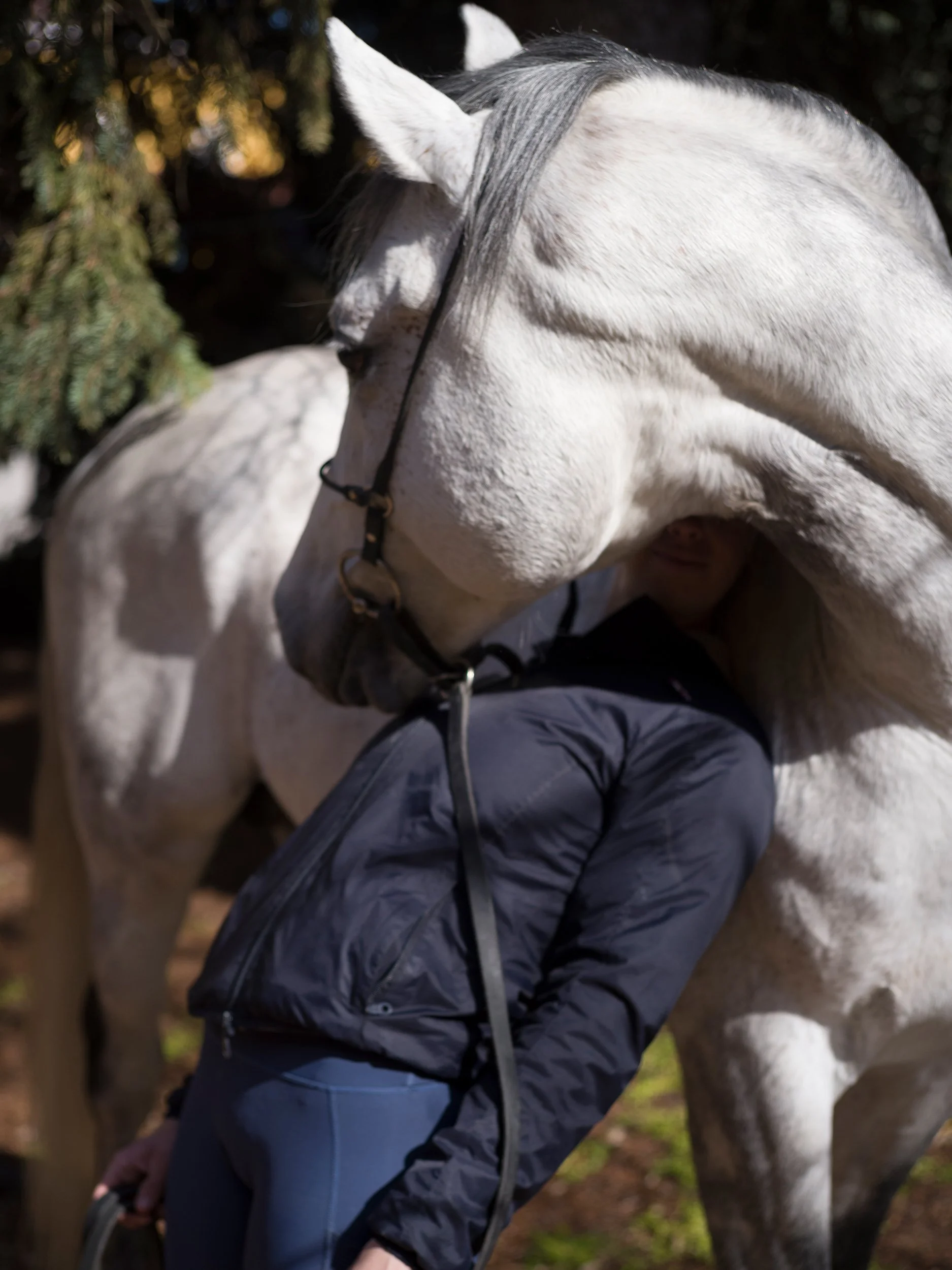
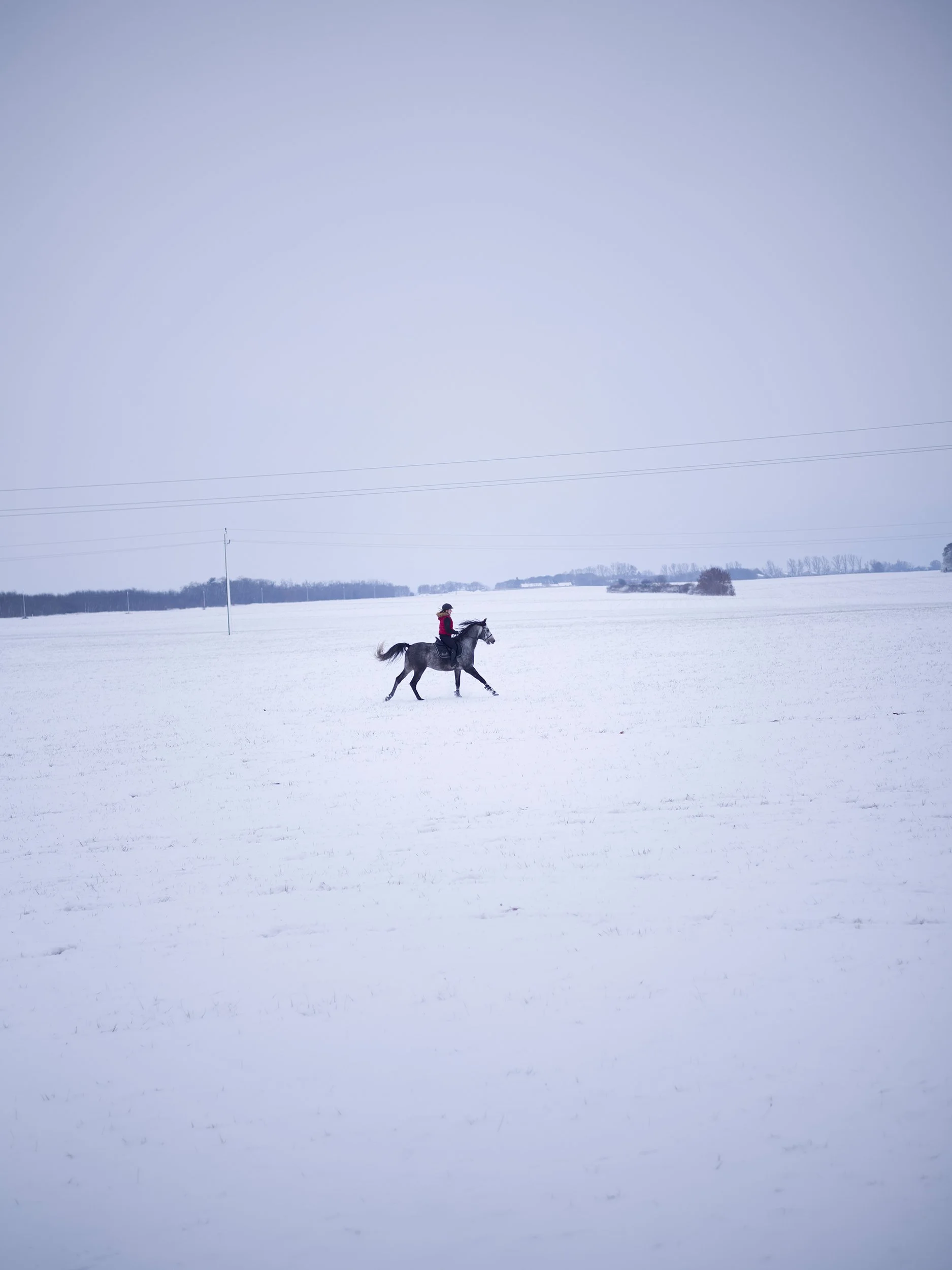
László Gábor Belicza’s photographs of Bábolna explore the deep connections between humans, horses, and nature within one of Hungary’s most historic stud farms. Rather than acting as a distant observer, the artist immerses himself in this environment, capturing moments of tranquility, affection, and shared presence. His images capture intimate connections between people, animals, and landscape through moments of tranquility, affection, passion, and longing. In the photographs, these connections give rise to relationships based on forms of partnership. Defined by clarity and simplicity, the series presents both human-centered and nature-driven narratives, emphasizing partnership and coexistence. Belicza’s sensitive approach gives equal presence to younger and older generations of Bábolna, while nature itself emerges not merely as a backdrop, but as an active force shaping the atmosphere and relationships within the series.
Benedek Szabo, esthete
ABOUT THE CREATOR
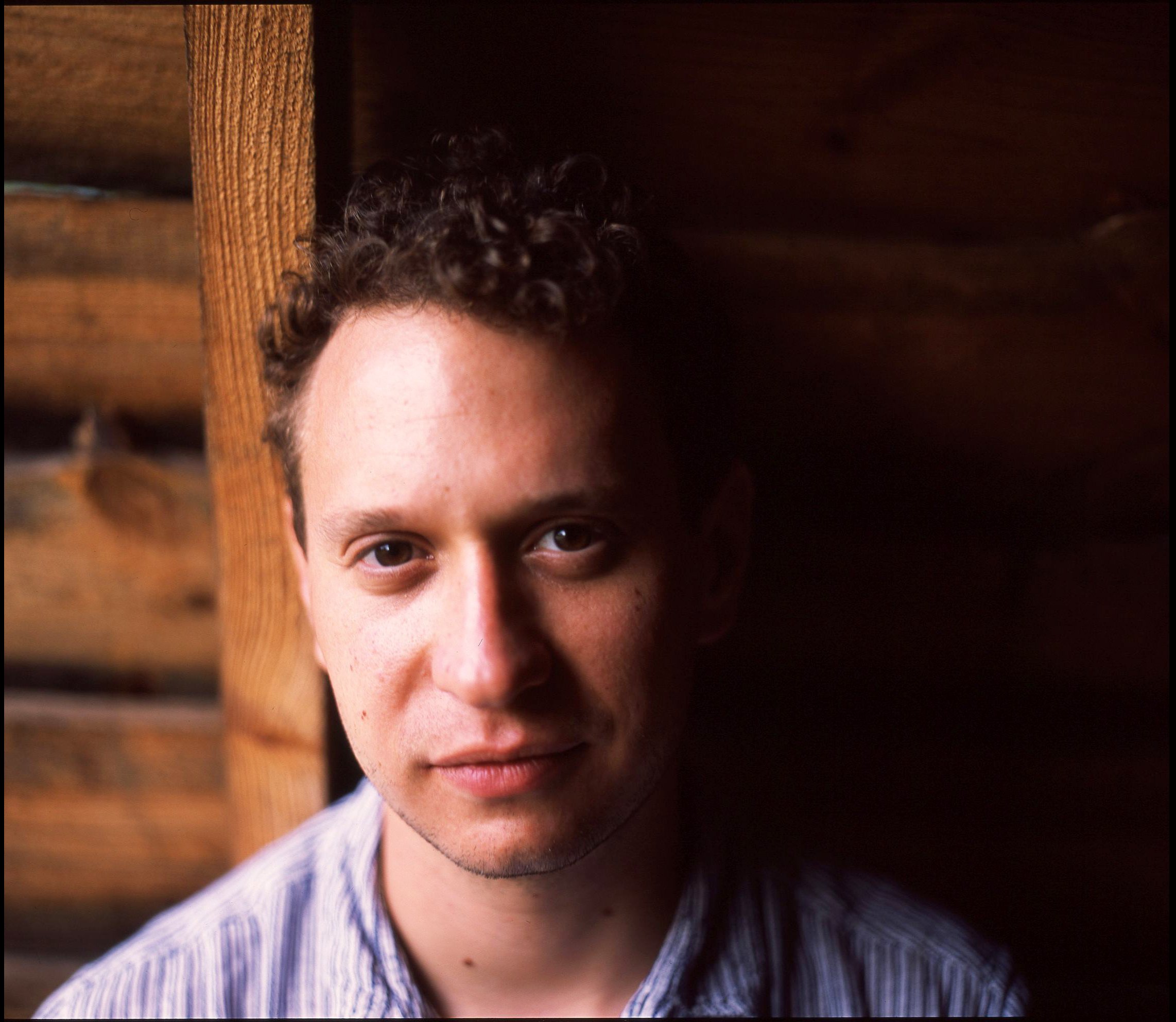
László Gábor Belicza (b. 1991) is a Hungarian photographer based in Budapest. His work explores human relationships, personal narratives, and the delicate connection between people and the natural world. Through diaristic photo essays, he approaches his subjects with empathy and contemplative attention. Since 2016, he has published and exhibited his work nationally and internationally. His photographs are held in the collections of major Hungarian museums, including the Hungarian Museum of Photography and the Petőfi Literary Museum.
Website: www.laszlogaborbelicza.com
Instagram: @laszlogabor.b
by Jade Palmer
Welcome to carte blanche issue 54. Featuring fiction, poetry, translation, creative nonfiction, photography, and comics, this issue shines a light on our international contributors while still placing these voices in conversation with our Quebecois and Canadian roots.
Comic by Sunny Strader
Sunny Strader is an artist based in rural Illinois, USA. She makes comics and sculpture, works as a psychic medium, and runs an astrology snail mail club from her home studio, sending mailings to readers around the world.
Comic by Katrina Dahl Vogl
Katrina Dahl Vogl is a Mexico City-based writer and illustrator. She received her MFA from the University of New Orleans in 2023.
Creative nonfiction by Mary Fontana
The Pyrenees and the Alps, which stretched from east to west, meant that many trees were unable to move south ahead of the ice.
Creative nonfiction by Theresa Lin
In his essay “Exhaling,” Carrère quotes Freud, who quotes Ludwig Börne:
Take a few sheets of paper and for three days on end write down, without fabrication or hypocrisy, everything that comes into your head.
Creative nonfiction by by Suzanne Manizza Roszak
Being transported into this forest requires that you first drive a string of streets too narrow for more than a single car, then take a stretch of highway that cuts not through hills but instead through improbably flattened and uniform terrain.
Fiction by Sharalyn Barg
In late spring the year the virus came, the company treated us to a mental wellness seminar. We joined the video call from separate soundproof booths.
Fiction by by Garima Chhikara
Ira thrived in the lost hours, the unaccounted hours of her day, when she did absolutely nothing—hours that were fluid, intimate, and ambiguous.
Fiction by by Adam Dizon
Lying in front of us was the body of a young horse. It looked deflated, its stick-like limbs sprawled over the side of the table, one hoof hovering just above the floor.
Fiction by by Anja Jovanovic
It always went something like this: a post-lunch stop at the 7-Eleven would turn into passing by the park, leaving footprints on the hot tin slide and debating whether or not they could still squeeze into the baby swings
Fiction by by Lars Love Philipson
It’s a beautiful June afternoon, and I’m standing barefoot on the gravel driveway, watching Dad load bag after bag into our white BMW. He and Mom will be gone for a long, long time.
Poetry by Brandi Bird
refresh girluser type
write speak don’t
Poetry by Emma Moss Brender
All this time I was thinking about the black lines
I imagined a woman welding chance trusses against a white sky
Poetry by James Hawes
Steve Ambrose likes to watch YouTube videos of people making knives.
Steve Ambrose is lonely.
Poetry by Adegboyega Kayowa
When I finally told you that walking
was harder for me than for others, I was worried
Poetry by Julia Luna
fizzling [inaudible] she
glass made gracious
Poetry by Sarah Oso
It swells together then rattles
into front yard hickory dance
Poetry by Pablo Saborio
Socrates’ dæmon watches a mass of empire vanish.
Doors appear as callous neophytes in the hierarchy of thresholds.
Photography by László Gábor Belicza
László Gábor Belicza’s photographs of Bábolna explore the deep connections between humans, horses, and nature within one of Hungary’s most historic stud farms.
Photography by by Andrii Halishchev
In this project, I tried to show how the photography function could change over time. In 2020, I shot a roll of film of an abandoned airfield with dozens of old jets which I recently discovered near my hometown, Vovchansk, Ukraine.
Photography by Ruxandra Mitache
At the beginning of a new year, I walked the same streets as a ritual: quiet houses, untitled small gardens, sparkling waters, and windows shaping the light before sunset.
Translation by Phyllis Aronoff, translated from Éléonore Goldberg
Yes, sometimes my apartment feels like a box, a huge coffin in which I’m buried alive. I feel like jumping out the window. It’s true, emptiness is very attractive to me looking down from my windows.
Translation by Jacob Mattke, translated from Yara El-Ghadban
When it came after the workers, nothing was done. They came from detention centers: prisoners, refugees, and undocumented immigrants who tilled the Dead Sea’s salt flats.
Translation by Jessica Moore, translated from Dominique Scali
Ys is an island. We don’t say “the isles of Ys” or “the Ys Archipelago,” because it is only on the main island – that big hunk of land lost between Saint-Jean-of-Newfoundland and Ouessant – that people can live year-round.
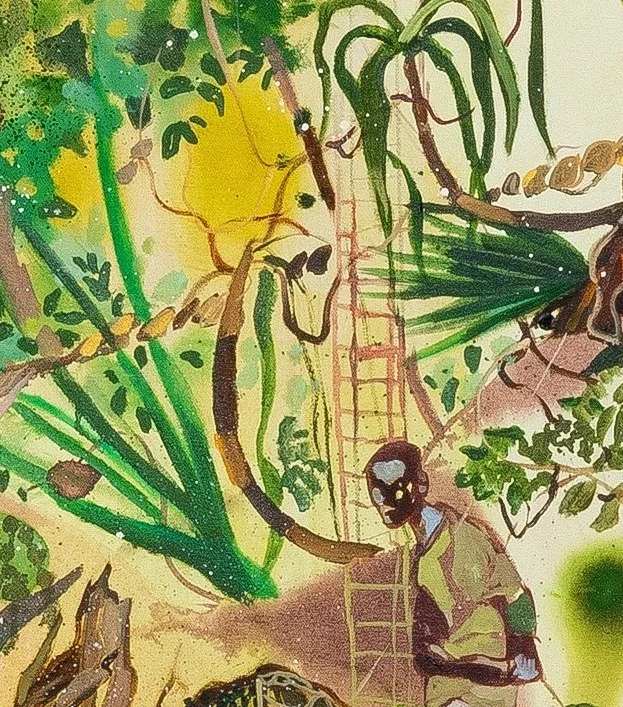
Cover art by Laurena Finéus
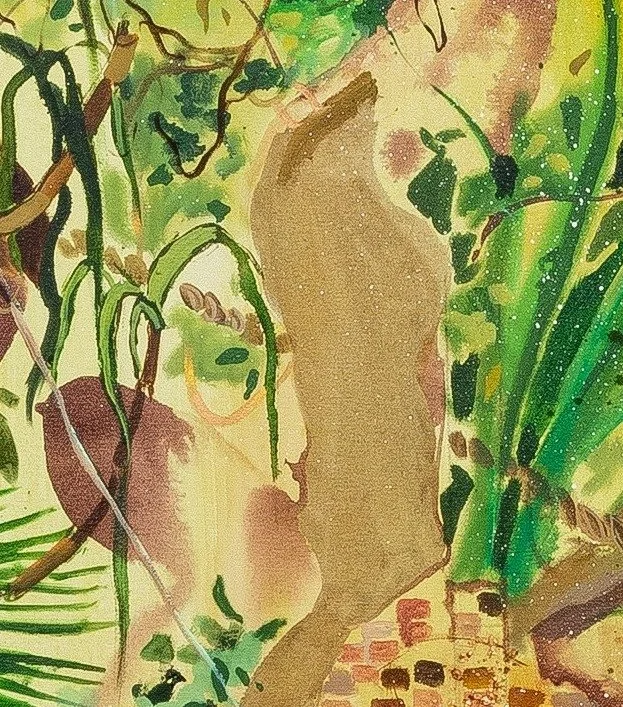
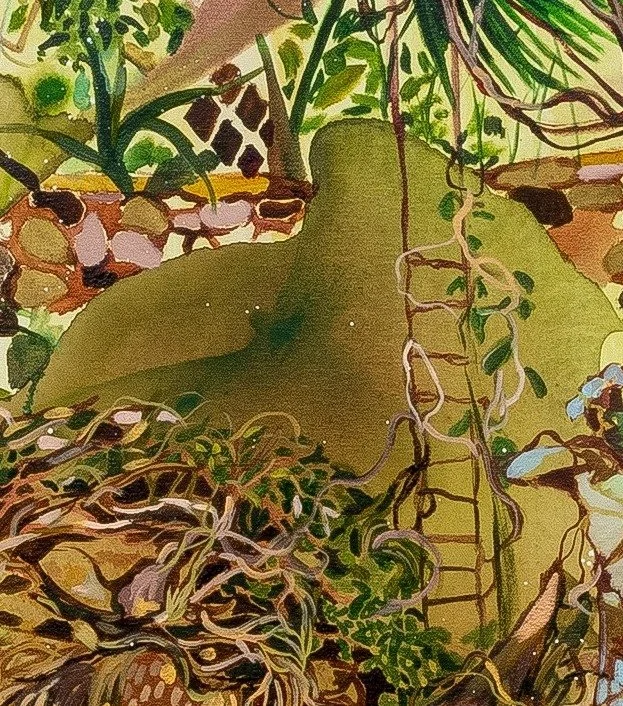
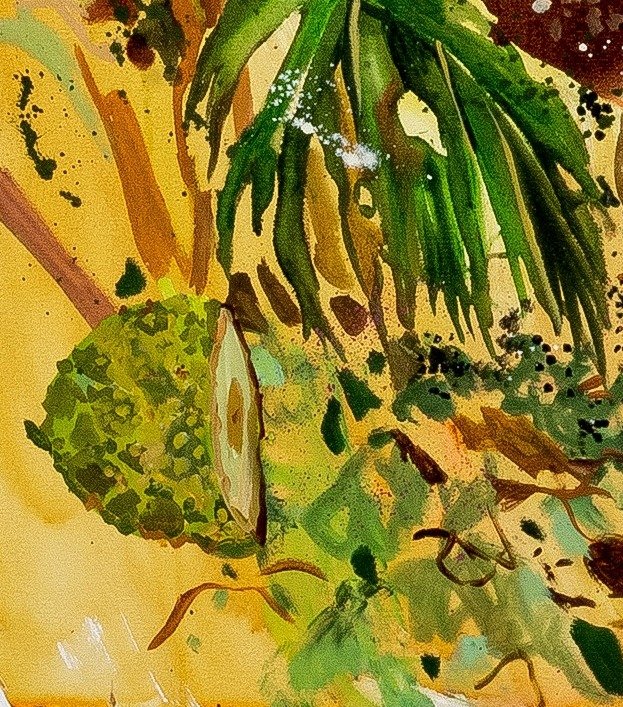
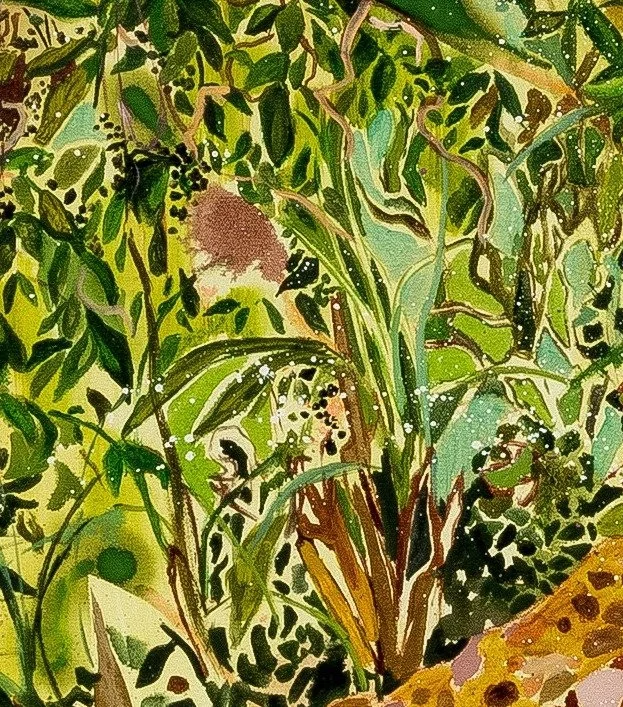
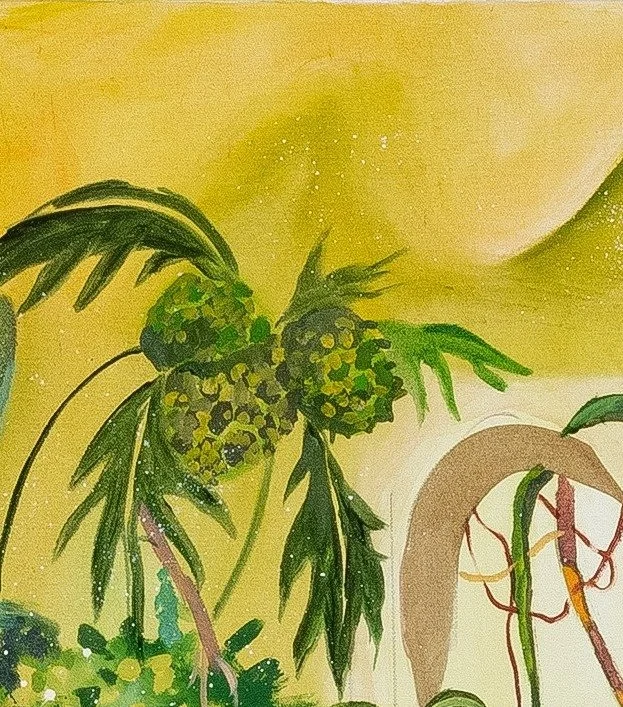
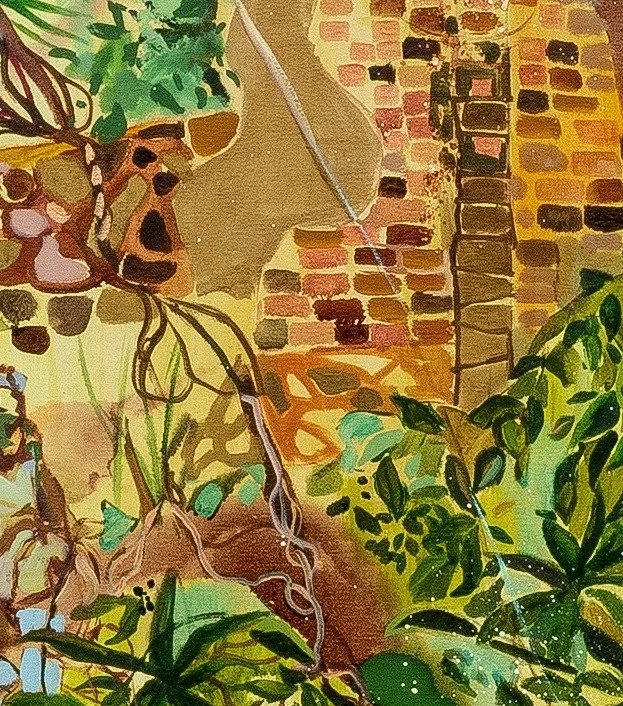
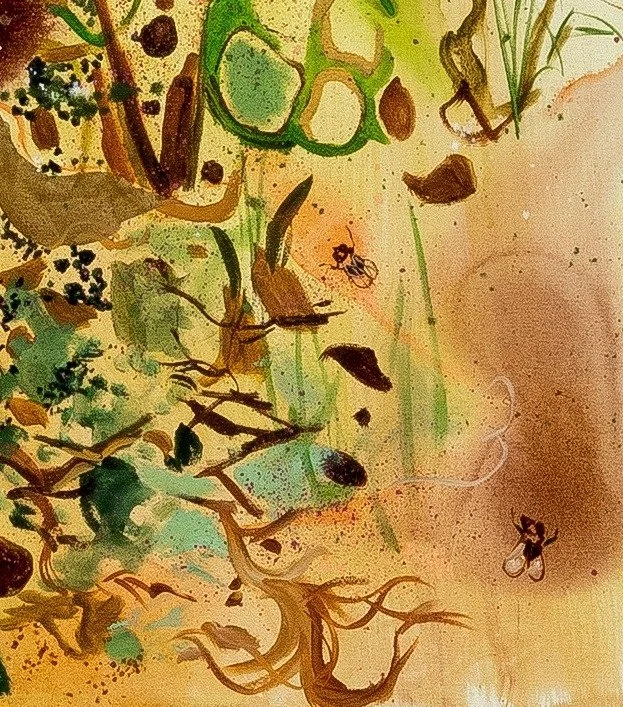
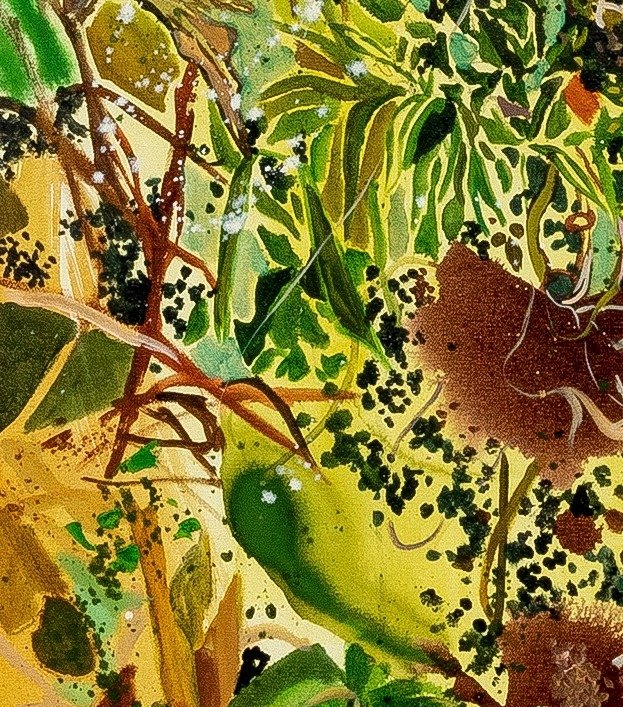
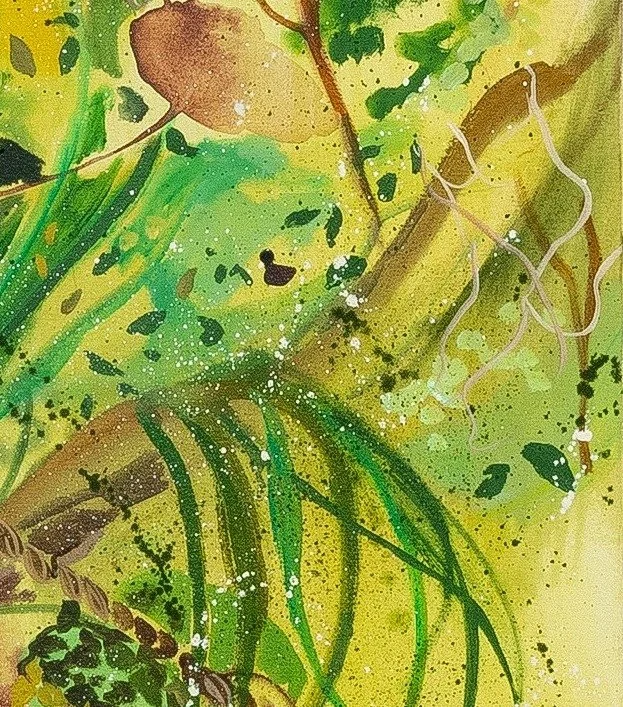
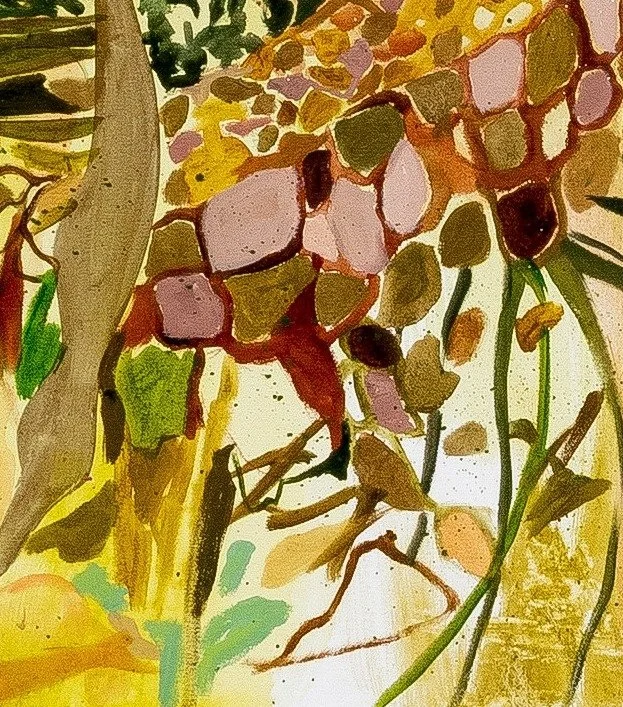
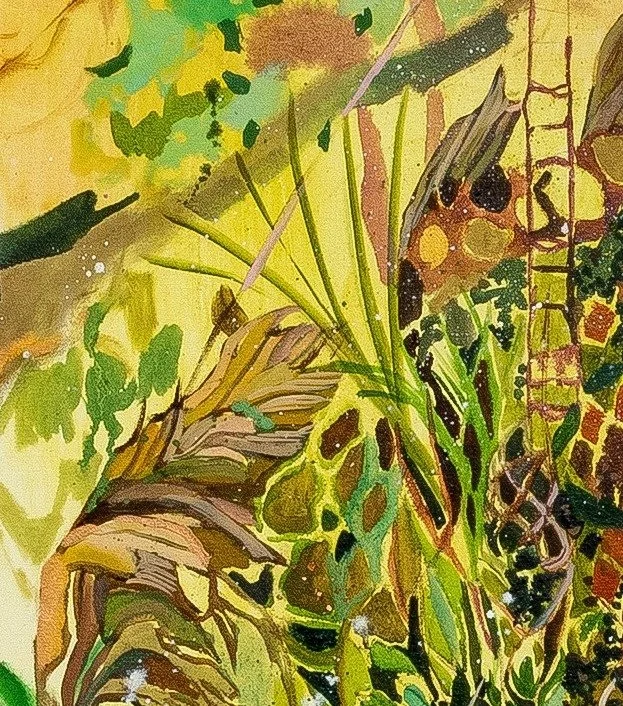
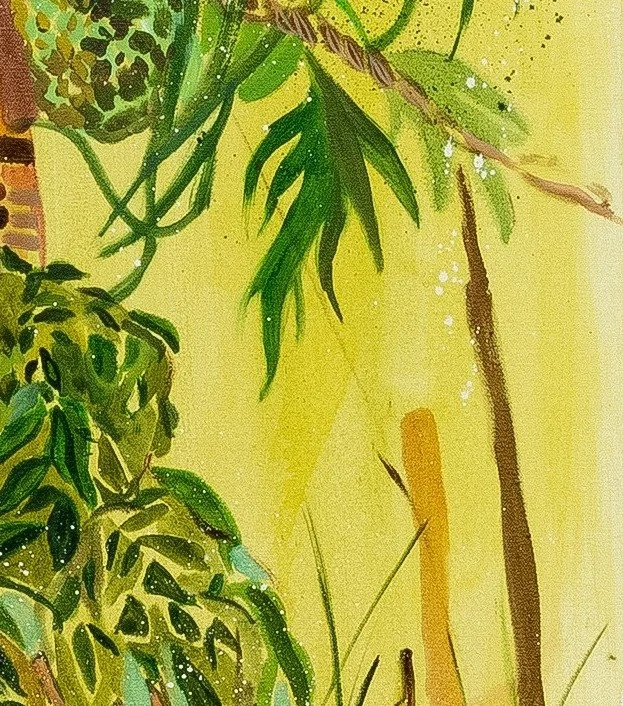
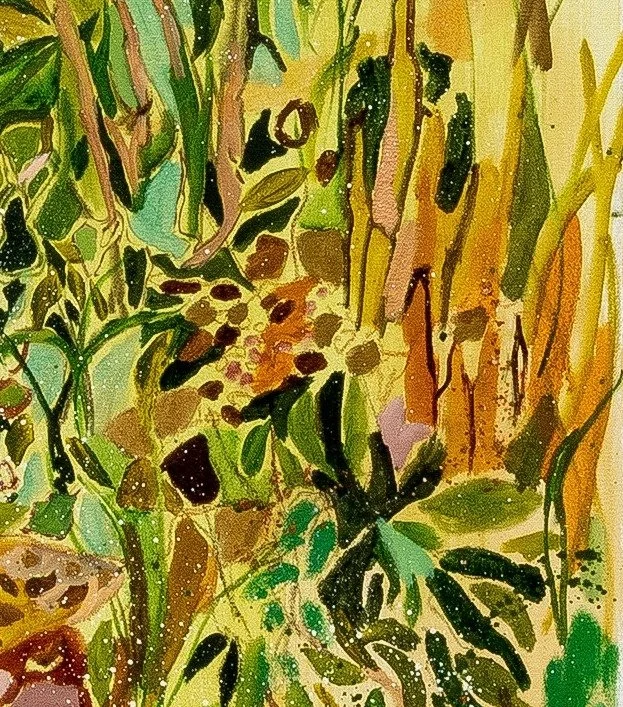
In “Jardin de Mackandal” (The Garden of Mackandal), the focus is the breadfruit tree, a hardy symbol of survival. Known for its role in Haiti's reforestation, the breadfruit tree thrives in poor soil and is a reliable source of sustenance, especially in times of crisis.