
Paperweights
by Garima Chhikara
Ira thrived in the lost hours, the unaccounted hours of her day, when she did absolutely nothing—hours that were fluid, intimate, and ambiguous. They demanded nothing from her; time passed, and she made it to the next day. It relieved her and left her exhausted for reasons she couldn’t explain. The other hours pressed on her like chaotic tides, leaving her unsure what to do with herself.
Her apartment had an expansive view, one that would’ve delighted her as a child. But now, even a yolk leaking across the sky felt dark. An eagle flew in circles; the wind chimes kept tempo against the roar of the wind and the birds below. Even a moth on the balcony railing, its leg broken, walked with intent.
In her notes:
My personality trait is expecting things from others because I am there for them.
Is it still fair to expect if I don’t give? Is that bad?
When she was about six, she wore a striped red tie all the time—at home, at school, even once to a wedding, pulled over a turtleneck. When guests showed up, she built performances around the tie: a poem, a speech, a dance. Everyone tried to get her to take it off, but she wouldn’t. She had a game where she tucked it into different places and asked her mother or sister to look for it. Sometimes they found it right away. Sometimes they didn’t. When they couldn’t, she let it stay hidden longer. One day, it was gone from the place she hid it. She never asked about it.
Then came the beautiful frocks and whatnot, and along with the flashes of pictures, the praises that never came with the tie. She could stand dumbfounded, not moving an inch, or randomly run in circles in the frock, and there would be clapping.
Even so, the world, so beautiful with its colours and prints, had begun to feel like a betrayal. She felt like the exception to its beauty, to its ways and mechanics.
Her fingers had started trembling, faintly at first, as if there were thousands of insects running in them. Whether the tremble was from the medication or the onset of something else, she didn’t know. She considered asking her doctor or sharing it with her sister, but decided against it. Talking about her symptoms and condition made her feel managed. She didn’t want to be put in a loop. Everyone around her seemed to do that—circling, confusing, hoping she would stop being like this, whatever “this” meant.
In her last Zoom meeting, they discussed a new feature for the app: a way for patients to record notes and feelings after logging their medication. How can we make patients’ lives better? Everyone at the healthcare company where she worked as a copywriter seemed confident in their false sense of purpose. Always the big words: outcomes, journeys, making lives easier, floating neatly over the reality of monetization.
It seemed to her that at work, purpose was something you proved.
Sometimes, there would be a glitch in the lost hours, and a sliver of light would appear, like a reflection spinning briefly and then disappearing. There were also occasional thoughts of leaving for some unknown place, and of finding love, whatever that meant. Her vague, unformed goals moved her.
Ira craved love. It wasn’t a concrete idea, or even what qualified as an idea, but more like the image of a thought. She laughed at herself for wanting something unclear and smoggy. Love, or more accurately, a chosen love. She tried that once with a man from the same company she met at a dinner. He spoke enough for both of them, didn’t question her occasional eye twitch or trembling hands, or demand her constant attention. They worked out of a small brewery threaded with palm trees and exposed pipes. He talked about his ex-girlfriends and how he despised drama, the way people often do when they’re setting expectations. When they had sex, he left marks on her and traced them later, admiring his own work. She broke up with him over email on a happy Sunday, one of those rare days when she wore her leather jacket and went to the organic supermarket to buy things she didn’t need.
After one of the hospital stays, after moving in with her sister, she took her to the same brewery, where she had once worked on a private essay—something she’d written alongside everything else—about a trip to the zoo with her mother, now sitting in the bin folder. He wasn’t there. She wanted to see him. Not for any reason she could name. Maybe only to know whether he would look at her the same way.
Later, when she started seeing Gaurav—someone she’d only noticed before in the background of her life, whose attention didn’t feel like curiosity or pity—she wanted him to pull things out of her, break her open, leave her emptied. But it wasn’t like that. He asked if she wanted him to stay. The question unsettled her more than if he had stayed without asking.
***
They stood beside each other on the balcony. Behind them, the lights dimmed, music and chatter folding into a low blur. Her chin rested on the ledge; she looked content.
Gaurav had lost a close friend recently, and he hadn’t thought to talk about it to anyone. He had distanced himself from the friend who was there for him, calling it a healthy adult choice; the resentment still pricked him. If he were to talk—if he allowed himself to—he didn’t know what he would say that wouldn’t sound rehearsed or pitiable. Later, he wouldn’t remember how she got him to talk, only that there had been a sheer ease in being around her.
“I don’t feel like myself these days,” he said, releasing a long breath. “I don’t know how else to say it.” He shook his head, as if that were all the language he had.
She didn’t react the way people usually did around grief, no exaggerated concern, no soft assurances. She listened with a serious intention. Then she told him about a time she had been traveling somewhere in France. By a lakeside, a woman, slightly older than the rest of the group, began shaking, as if having a drug reaction. The police arrived and held her by the shoulders. At their touch, her body convulsed violently. She tried to break free, mumbling something no one could understand.
“There was another man on the bridge,” Ira said. “We looked at each other. We had both seen something. We were both…”
She stopped.
“Confused?” Gaurav offered.
She lit another cigarette. “Confusion is good,” she said. After a pause, she said, “Or at least… it means you’re here.”
She smiled, a sad, careful smile.
He had expected her to look fragile, to move differently. He wondered which version of her he was seeing, if “versions” was even the right word. When she disappeared inside, he stayed where he was. He hadn’t stood alone in one place for a long time. He didn’t want to go anywhere. He wanted to stand still.
Ira reminded him of the girl from his class who, when everyone drew the same mountains, sun, and hut scenery like they were all taught, drew a crooked house with a cat and spider trails on the edge of the river. It unsettled him. He refused to be around her after that.
He wouldn’t see Ira again for months. When he did, it was at the hospital with Tisha. By then, the evening on the balcony had already thinned in his mind, less a memory than a feeling he couldn’t place. He told himself it had mattered. He wasn’t sure why.
On Diwali night at Tisha’s, he watched her move easily through the crowd. People noticed her. He noticed himself noticing, how his own desirability seemed to sharpen beside her. He imagined quiet evenings with her after long days, standing close, nothing demanded of him beyond being there.
When she turned to him and asked if he wanted to continue where they’d left off, glancing toward the balcony where they’d stood months earlier, he felt the pull of it—the urge to step out of the noise, the stares, the easy generosity of other people.
She stayed with him afterward—not as a person exactly, but as a steadiness he couldn’t hold. When he tried to name what he wanted from her, the thought slipped away. He suspected it had less to do with her than he liked to admit.
***
Trembling in fingers.
If it spreads, will it wake something that hasn’t started yet?
Am I more like a moth or a centipede?
Ira found comfort in the idea of dropping things because then they would stop existing. It brought a strange relief, like a catch released, like the feeling after doing something awful or embarrassing.
Her mother tended to drop things that didn’t serve her, for any reason or sometimes no reason at all. She once dropped an English class, like she had dropped stitching, driving, and other attempts at learning. She hated how English demanded a subject in every sentence, how even small things had to be named. For a while, she wrote emails in broken English to a friend and to her sister Tisha. Then, before any reply came, all evidence of it disappeared: the notebooks, the lessons, the small glass paperweights. Ira rescued the paperweights from the dustbin.
On the day of the incident, Ira hurled the paperweights their mother had discarded at the TV Tisha had bought with her last promotion. Spiderweb lines bloomed across the screen. She grabbed her laptop and threw it next. It imploded into a rain of glass. Ira picked at her wrist, where fragments glistened red. Her head hurt, as if something inside had shifted. Crouched down, she closed her eyes and replayed the sound—like chimes.
***
Ira’s toes were curled, her legs buried in her chest, her hands gripping and releasing her knees in a repetitive motion. She was making a sound, as if in that instant, Ira understood what was going to happen to her and denied it. Tisha wanted to deny it too, but couldn’t. Tisha’s own head bellowed with stormy clouds of memories, the disagreements over the past few years, but mostly the silence and forced pleasantries when they went back home to see their mother.
“I just wanted the hours to disappear,” Ira had said to her more than once, fast and slippery, earlier that day at the hospital. “I didn’t want this. I didn’t want to be like this.”
Tisha wanted to help, wanted to produce miracles, or at least sit beside Ira and pat her head the way she had before. Instead, she felt herself being pulled away by the life she’d worked hard to build.
Later, on the day Ira was discharged, she sat on the bed with a book in her lap, her hair loosely braided, maybe by a nurse. She looked so much like their mother then, who could sit for hours in a trance. Ira looked at Tisha steadily, without searching or asking. The look made Tisha restless.
Tisha tucked a flower behind Ira’s ear, picked from the lawn outside.
When the doctors explained her condition and treatment plan, she didn’t listen to them. She looked at her sister in the corridor, walking with an older woman who was counting something on her fingers. She looked focused and serene, the way their mother did when she decided to disappear into something new. Tisha wanted to hold her in her palm as she got smaller and smaller, until the very end.
Afterward, Tisha had dreams, or rather nightmares, versions of the day of the incident that she hadn’t witnessed. One where she tried to scream but no voice came out; one where Ira and their mother were on the floor amid broken things, and it was as if she didn’t exist.
There were nights Tisha let her phone ring, Ira’s or their mother’s. Not long. Just long enough to finish a conversation, to wait for the noise outside to thin. Later, she would tell herself it could’ve been worse. She repeated it until it sounded like sense. She wondered if expecting less was a kindness or just another way of leaving things as they were.
Their father believed that not expecting much was a form of care. When he needed surgery, he told her not to come—tickets were expensive, he said, and everything was fine. He sat with the newspaper and a cup of tea, muting anything he couldn’t actively help with. Sometimes she wondered if this, too, passed for love.
Much later, on Diwali, when friends and cousins crowded the house, Ira pointed to Tisha when asked to act out a home in a game they were playing. Home had once frightened her; it demanded too much, but it was still home. She remembered the time Ira stacked heavy cartons outside her room, not letting their mother or cousins inside because Tisha wasn’t well and needed to study for an exam.
As a child, Tisha learned attentiveness without asking for reasons. When Ira wore the tie everywhere and hid it as a game, Tisha learned to look for it without wondering why it mattered so much. The habit stayed.
That night, Ira stood among them, smiling at the wrong moments, touching nothing for too long. Tisha watched her carefully, afraid that if she looked away even once, Ira might drift somewhere she couldn’t follow.
She wanted to keep her home. Ira was home.
ABOUT THE CREATOR

Garima Chhikara is a writer from Bangalore, India. Her work appears or is forthcoming in Forge Literary Magazine, Hypertext Magazine, Hobart, Cherry Tree, Your Impossible Voice, and elsewhere.
Website: www.garimachhikara.com
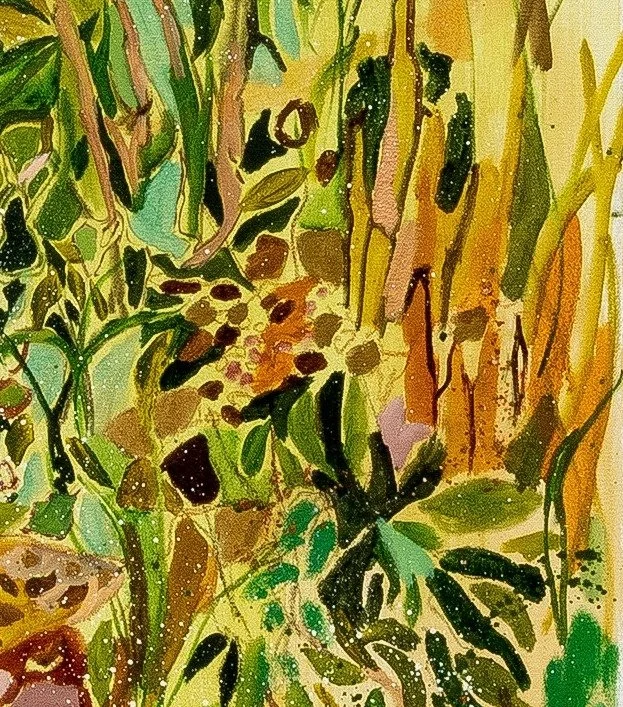
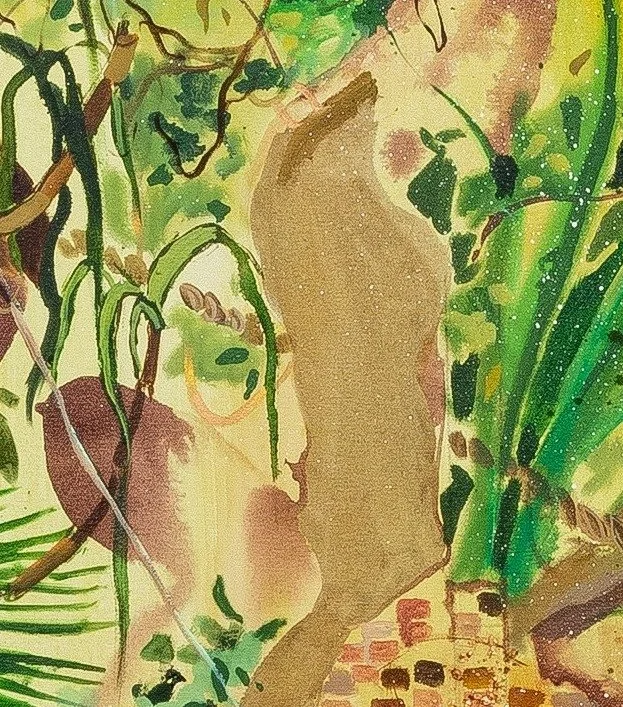
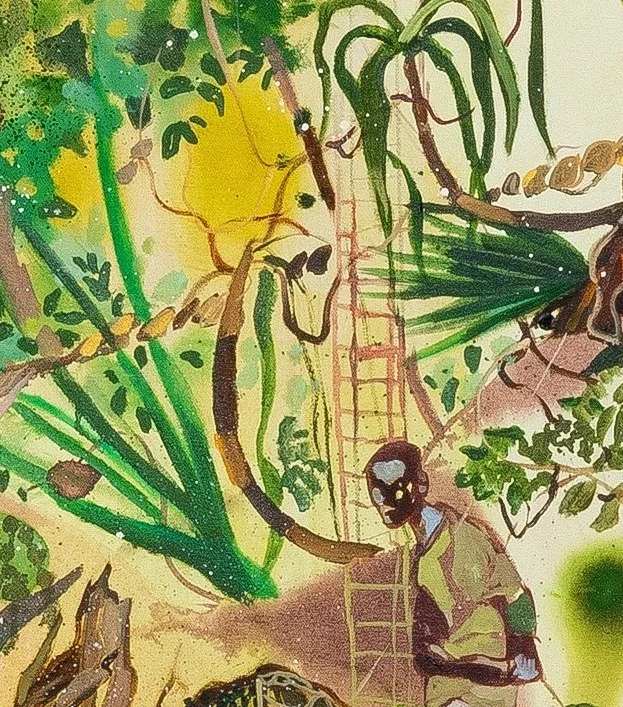
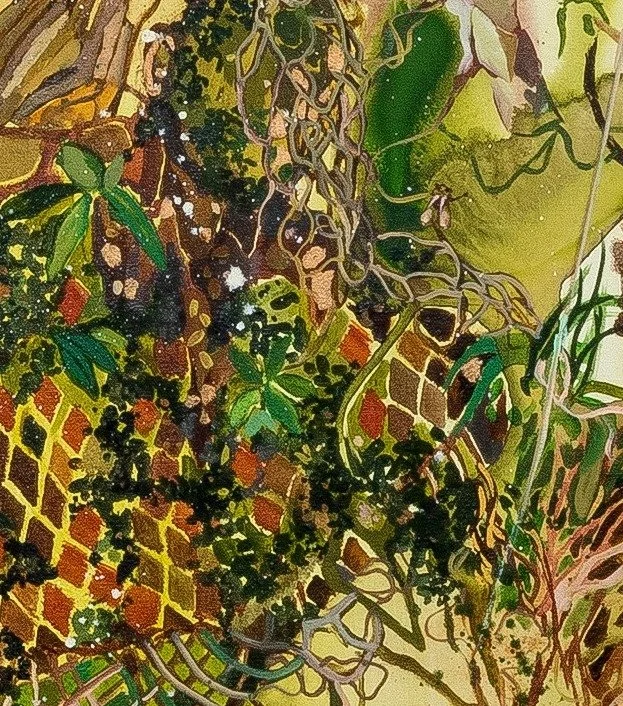
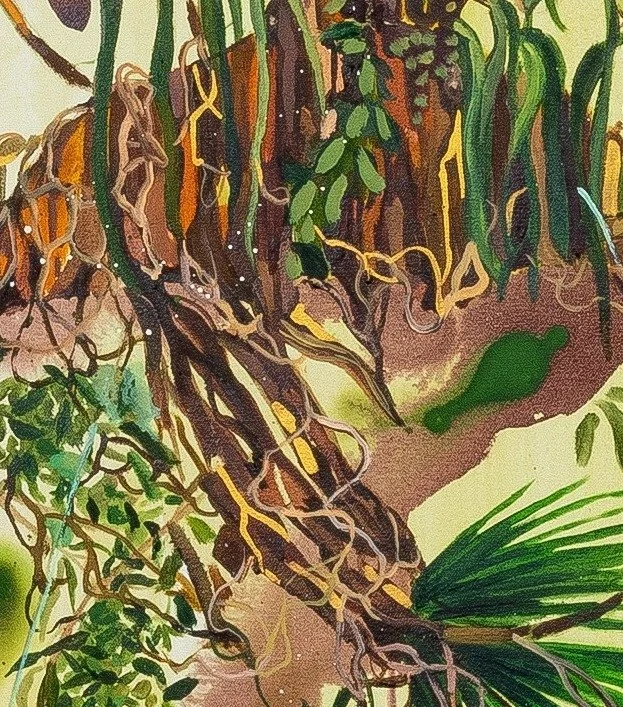
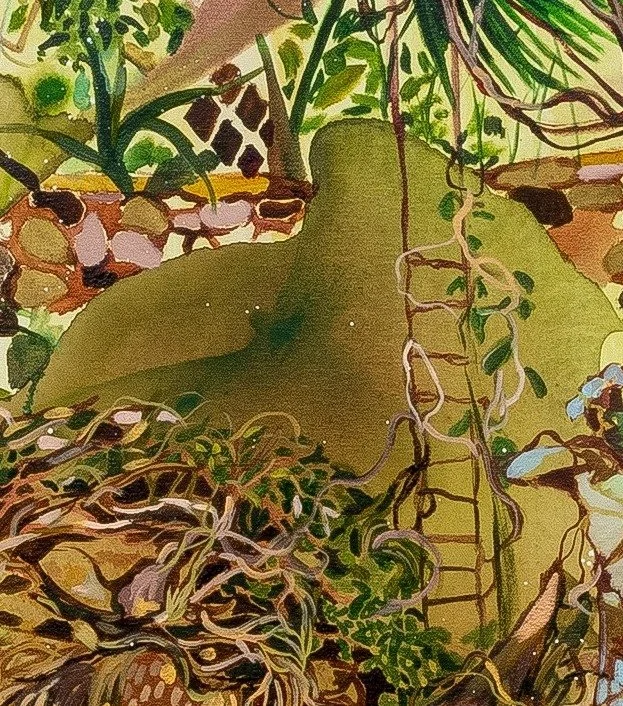
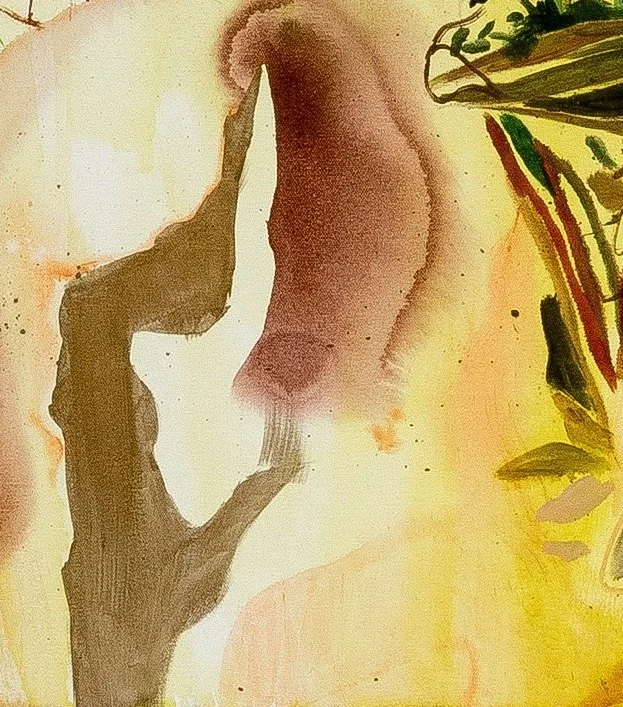
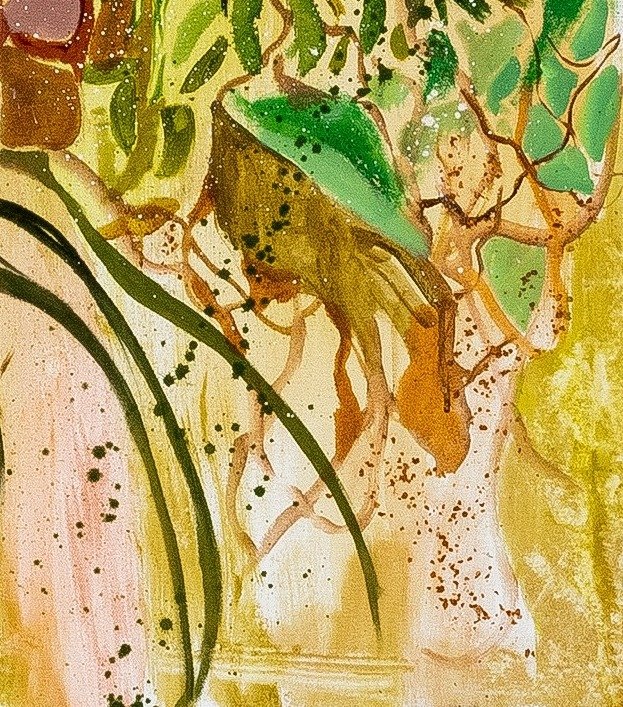
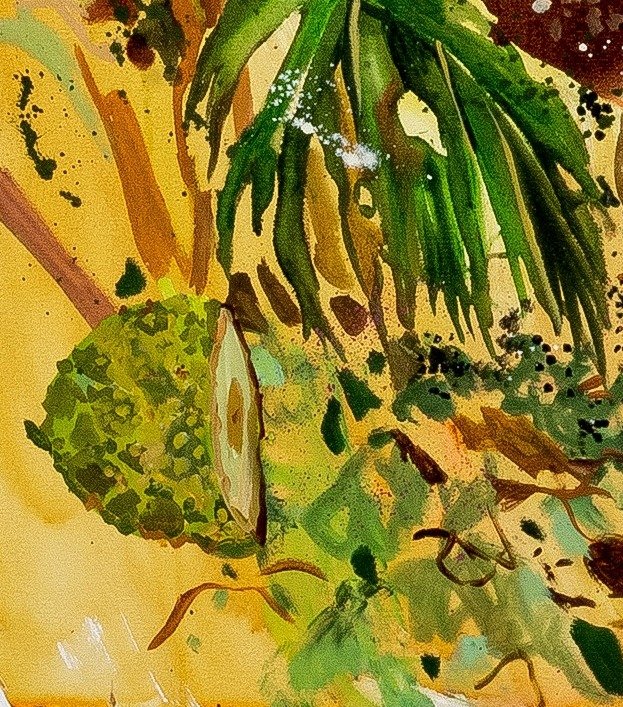
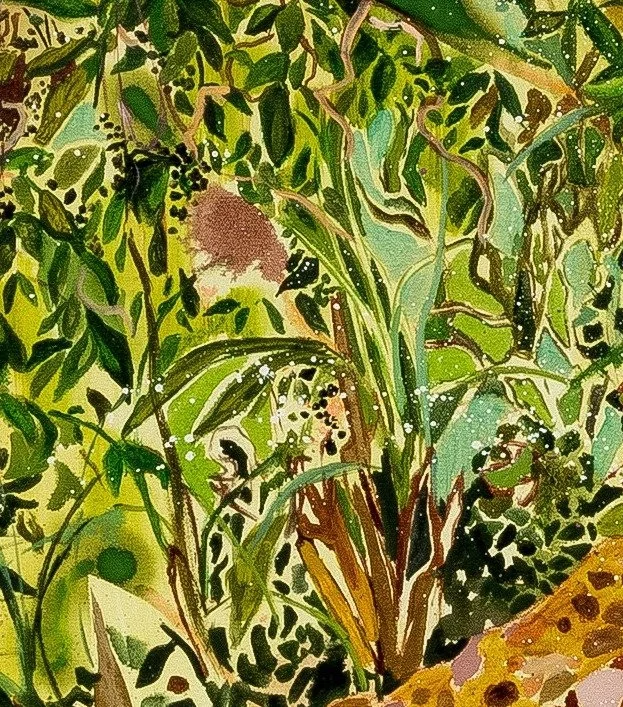
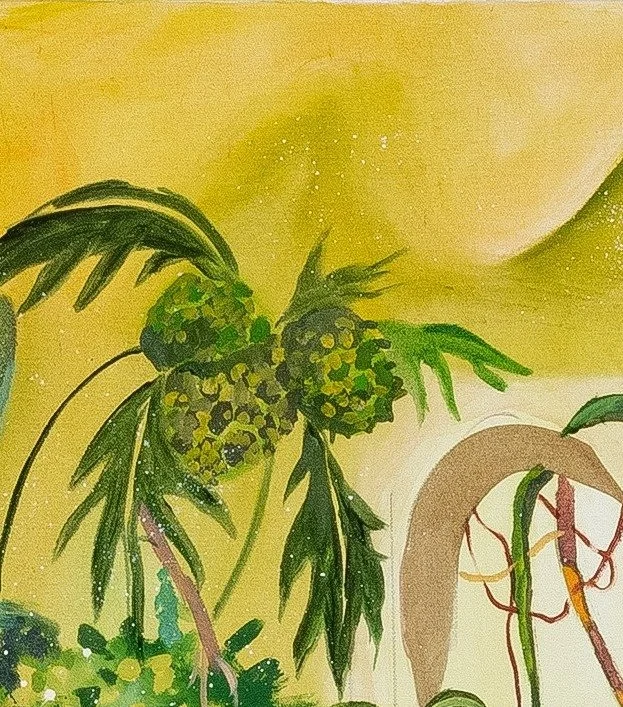
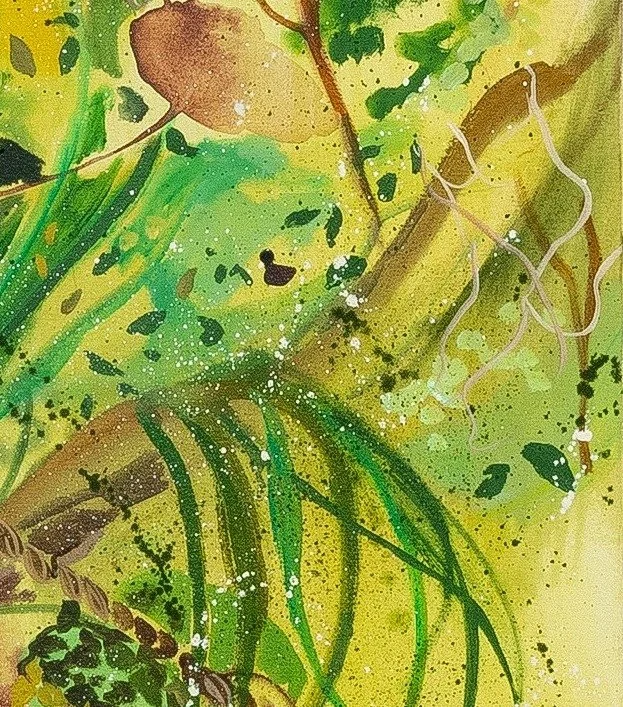
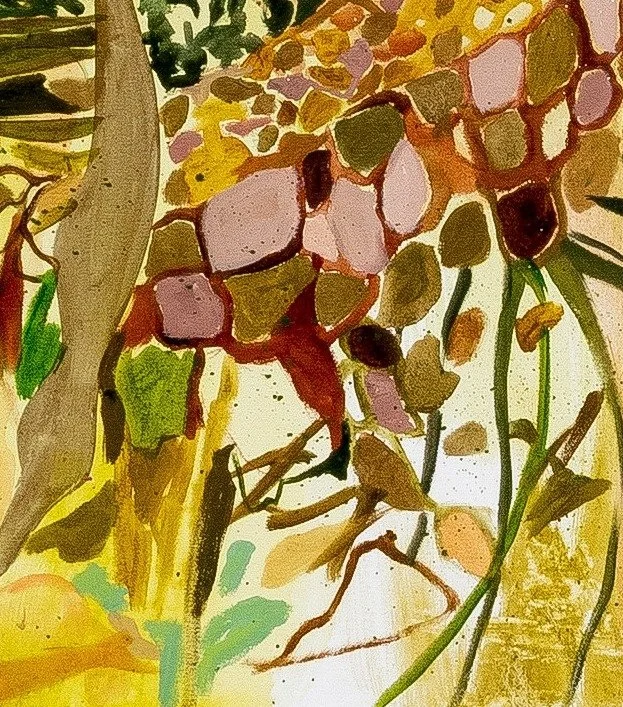
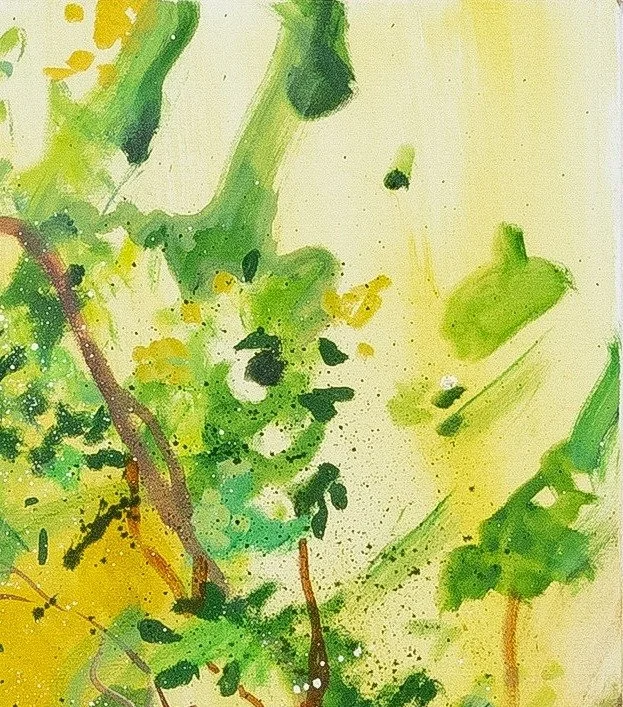
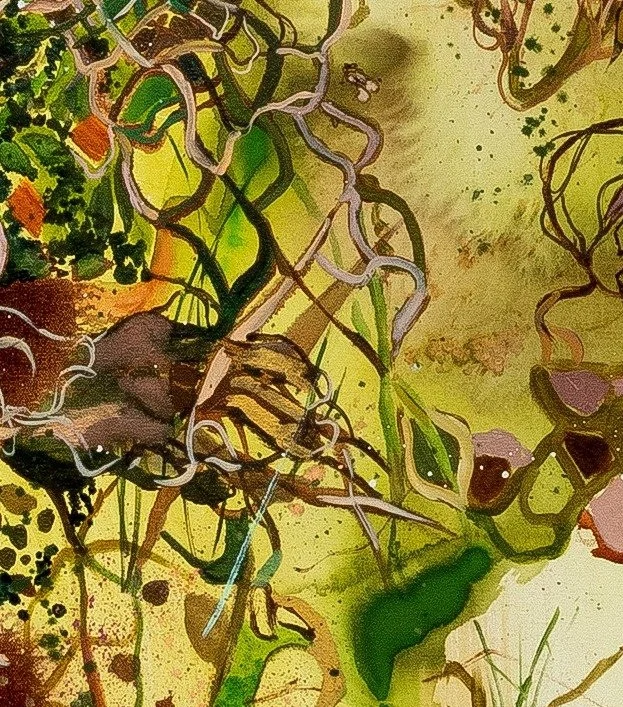
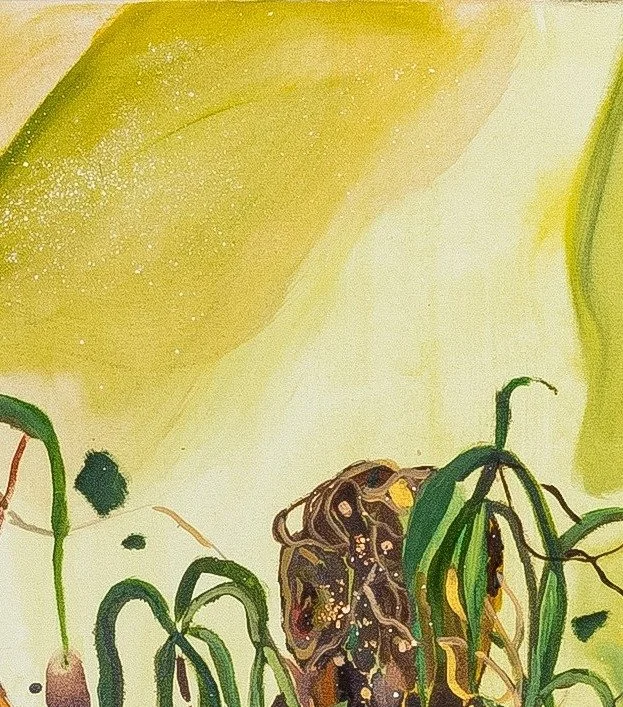
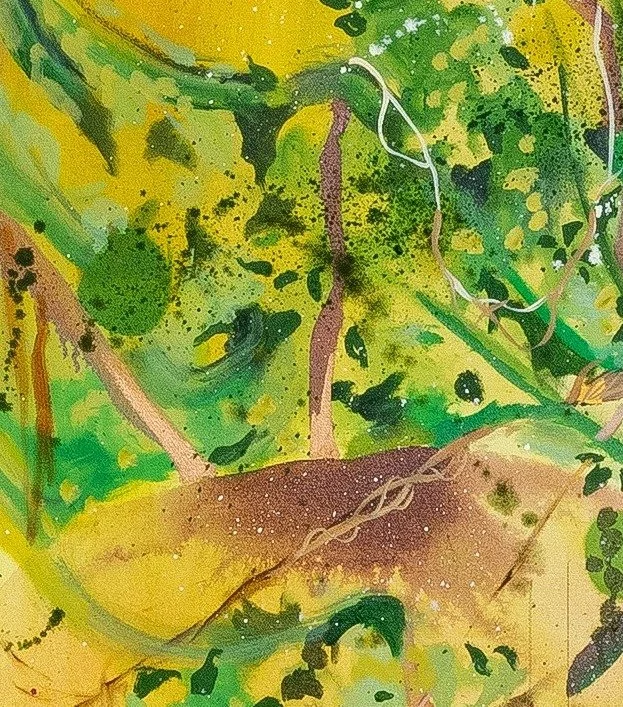
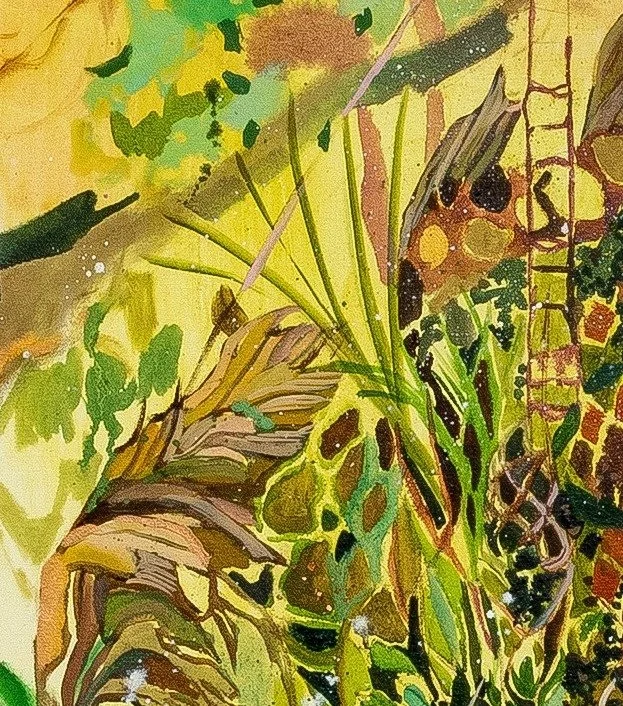
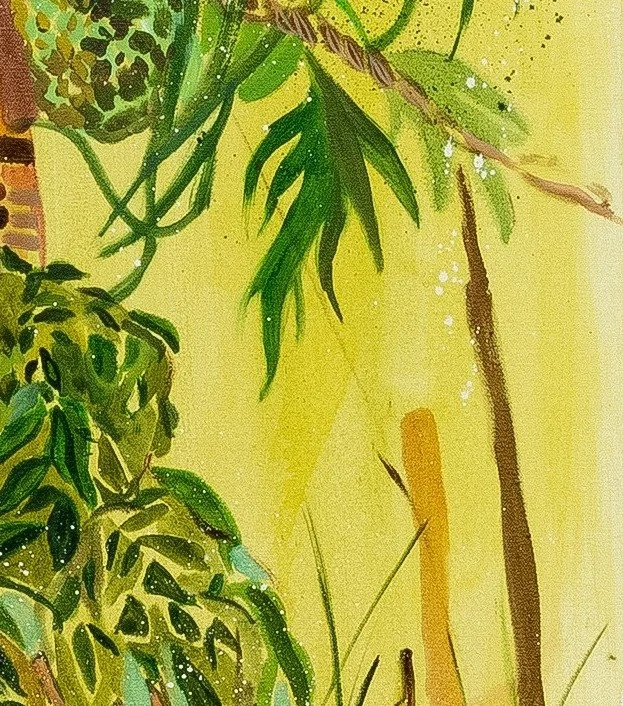
Cover art by Laurena Finéus
In “Jardin de Mackandal” (The Garden of Mackandal), the focus is the breadfruit tree, a hardy symbol of survival. Known for its role in Haiti's reforestation, the breadfruit tree thrives in poor soil and is a reliable source of sustenance, especially in times of crisis.