Croc Country
by Anya Leibovitch
A large statue of a cassowary welcomes you to Wongaling, the midsection of Mission Beach, Queensland. It’s humid as hell and you’re sweating even before the sun is up. Most people who make it this far up the coast are motivated by exotic wildlife and white sand beaches, but you’re not here on holiday. Still, you couldn’t have imagined you’d be spending the majority of your time wearing a hair net and plastic apron, bent over metal troughs elbow-deep in water and rat shit.
This sparsely populated land is home to the majority of Australia’s banana plantations. Aiden, the youngest of the Mackay boys, lured you up north with the promise of guaranteed work and pre-arranged accommodation in one of the most beautiful places on the East Coast. Your body is sore and you feel groggy, not a promising beginning to the long week ahead. Your official title is Sorter/Clusterer, and the job is about as inspiring as it sounds. You file into a line and make your way into the shed, scanning your fingerprint to clock in. There’s just enough time to set your things down on one of the various picnic tables in the shed before the first bell goes.
At first, you're restricted to the role of Sorter only. More time and experience are needed to move up to Clusterer, the one who holds the knife, cutting the bananas into bunches, no less than five, no more than eight. For now, you are merely the inspector of bananas, turning them over, checking them thoroughly. Even the slightest imperfection is reason to throw the fruit away. At the end of the conveyor belt are the Packers, the most prestigious position in the shed, and potentially the most profitable. The Packers dictate the speed at which everyone in the shed works. If your Packer is quick, you’ve got to be quicker. If they're dissatisfied with the quality of the fruit they are getting, they'll put anything below standard in a bin.
“What’s your name?” your supervisor asks. Without waiting for you to respond, she goes on. “As long as you’re working here, your name’s Bin. You respond to that, all right?”
Once the bin is full, the Packer will call out and it is expected that you stop what you are doing and run down the length of the conveyor belt to fetch the plastic container of subpar fruit. The Packers could easily discard of the fruit themselves, but it’s important for you to take note of your failings as a Sorter.
Aiden is always watching, peering from the top rungs of the scaffolding. You look around at the other girls he has hired and you know why you’re there. Even if you weren’t able to draw your own conclusions, there were the rumours. Some could be dismissed as small-town gossip. Not all, though. There had been another Canadian, before you. Aiden had taken a special interest in her. He had offered her a room in his house on the beach, and the opportunity to escape the hostel dorm room she was living in.
“What’s he like?” they always ask.
“I heard he took a girl out to Dunk Island and she never made it back,” someone said.
You just laugh, thinking that people will tell themselves anything to ease the boredom, that everyone here clings to the latest gossip like it is a life raft that will carry them out of this place.
You keep your distance from the other girls, the ones who sleep eight to a room, or four to a trailer if they can swing a spot at the park. You imagine them, rank and sweat-stained, lining up for a shower with no water pressure to soothe their sore bodies. They spend all their Saturdays preparing for the nights when the boys at the hostel get high and go to Top Pub. There aren’t drugs in Tully like there are in the city and given the choice they opt for acid over shard, only wanting to slip away for a little while. Aiden had brought you to the pub once, both of you walking in in cut-off shorts and t-shirts, skin salty straight from the beach while the girls side-eyed you, their big hoop earrings waggling with disapproval. You didn’t understand their English anyway, most of them being from Liverpool or Glasgow, or their strange custom of preening for the pub, hair big from hot rollers. After weeks of work spent smiling and nodding along, you stop trying.
The rest of the girls are mostly Korean, though they’ve been renamed on the assignment sheet so that next session you are scheduled to Fill the Bin with Myung-Hwa, now Emily. Approaching the work station, you smile at her and you both begin placing fruit from the conveyor belt into a large plastic bin, a monotonous task that requires you to twist and bend your body, while the belt urges you to quicken the pace. You have to stand on your toes when the bin is empty, leaning over to lay the first row of fruit down tenderly, ears throbbing as all the blood rushes to your head. Emily carries on diligently, without pause.
“Do you like this job?” you ask, trying to draw out her secret.
Emily beams at you, and without breaking her rhythm responds “Not really.”
The bell rings. You peel off your pink rubber gloves and scrub your hands with soap, twice. Racing to beat one another to the sinks, lining up at the microwave. Everyone’s shirts are soaked through with sweat. Cockroaches perch on the tips of your snapbacks, waving their antennae enthusiastically. Some of them could stand on their hind legs. Flies land on your face as you eat your Cup Noodles, 79 cents from the Wooly’s in town, remembering how a friend in your dorm in college had gotten scurvy after eating nothing but the Styrofoam cups of starch and sodium for months. Palming a gold coin, you slot it into the vending machine and a can of Coke comes tumbling out. You press the cool aluminium against your cheek before sitting cross-legged on the concrete, scraping together the dregs of tobacco from the bottom of your pouch to roll a cigarette. From where you’re sitting you can feel the sun on your face. You lean back and close your eyes, imagining you’re outside. You bring the cigarette to your lips and light it just as you hear the sound of the bell, its infinite reverberations.
After work on Friday, you hit the supermarket and the Liquorland. You choose the fifty-dollar bottle of gin over the five-dollar avocados because you have to. At Foggy’s that night you all get drunk and climb the ladder to sit atop the garage and look at the stars. Aiden brings you bush weed laced with earwigs, dry and barely smokable. You hear that he only ever invites young women to stay, and from what you’ve seen so far that proves to be true. Still, your body yearns for some comfort in this harsh environment and with enough liquor and loneliness things can happen. He pays you for your work and you pay him for the weed, the rent. You drive Foggy’s truck into town and pray no one sees you slip inside the only pharmacist, in a place where everyone knows everyone. Aiden doesn’t like using condoms, so you pay another fifty dollars for the plan B pill.
Every Sunday you go to the caravan park to get fish and chips, wrapped in newspaper that’s soaked through with oil by the time you reach the beach. You sit on the sand and eat, the sun beating down on the back of your neck. It’s stinger season and even though there are nets in the water you don’t trust them.
Foggy’s real name is Paul Davies, the name of a man descended from Ten Pound Poms, but no one calls him that. After the Second World War Australia was still mostly empty. Aiden brags about his family being on the First Fleet, their role in establishing the policies that would keep Australia white. He dubs Paul ‘Foggy’ after a childhood speech impediment. You wonder if he will name you, too.
Foggy is a welder, which keeps him in his house on the beach and out of the plantations. His name is on his truck, the same one he picked you up in the first night you arrived here, the one he now sometimes lets you drive even though you’re still getting the hang of the standard transmission.
On the weekends, Foggy takes you out with the boys, Greeny, Flaggy and Jack Jones. He tosses you in the back of the pickup with a shotgun in one hand and a beer in the other, and you all barrel down the beach. You go crab potting, prawn fishing. They bring you out to the fields to shoot clay pigeons, teaching you to brace the stock against the bare skin of your shoulder. The boys go on their own to free dive at the reef in the afternoon while you lounge on a deck chair in the shaded backyard, reading and recuperating. When they return they lay a rainbow of fish at your feet, and you know you’ll never go hungry.
That night, Aiden takes you on a private tour of the Golden Gumboot. He tells you how special the night sky looks from up there, how the stars are so bright it feels like you can reach out and grab them.
“Ladies first,” he says, always the gentleman, and as you climb the spiraling staircase, you feel his hand slipping up your skirt. You get halfway from the heel to the collar before he pushes you up against the wall and takes you from behind. It is over quickly, and before you reach the lookout he coaxes you back down the stairs, his hand wrapped around your wrist. On the way back, you roll the windows all the way down and let the cool night air fill the cab of the pickup, tilting your head to look up at the starry night sky.
“Next time,” Aiden says, but you know you’ll never get there.
The next day Aiden buys a new speedboat, the Topcat, and moves it into Foggy’s garage, having run out of space for his growing collection. Aiden collects lots of things, it turns out — boats, girls, skulls of small animals that he keeps as souvenirs. A real bloody magpie, the boys say, attracted to anything shiny, and especially aggressive in mating season. Foggy shoots you a look. He’s quiet but you’re starting to be able to read his mind. He and Aiden have known each other ever since they went to the same one-room schoolhouse, and you suspect their friendship is based more on a sense of obligation than true camaraderie.
You decide to test the waters.
“I heard that he took a girl out to Dunk Island and she never made it back.”
Everyone goes quiet.
“It’s not true, is it?”
You look around but no one will meet your gaze.
Later you find Foggy in the garage where he is cleaning up, moving things around to better accommodate the Topcat.
“Need a hand?”
Foggy sighs, wrestling with an unruly extension cord.
“This is quite the boat, huh? Takes up damn near the whole garage. Good of you to let him keep it here.”
“Yeah, well, it’s not easy saying no to someone like Aiden.”
“Yeah, I know what you mean.”
“Just be careful.”
“You think he’s dangerous?”
Foggy smiles slightly out of the corner of his mouth, giving another one of his half answers.
“You’re a tough girl. With all the deadly creatures up here, Aiden Mackay should be the least of your worries.”
That night, in your dreams, you attempt your first bush walk. You cross a river barefoot, treading carefully across the slippery surface of the rocks, up to your ankles in rushing water. Your surroundings are peaceful and silent, aside from a slight breeze rustling the leaves of the dense rainforest that lines the river on both sides. You are glad to be out of the forest, where giant horseflies showed no remorse in taking chunks of flesh.
The first thing you spot are the eyes, they say, but this one nearly caught you by surprise. Luckily you could tell it was just a baby. Besides, they say the freshies aren’t man-eaters. A phrase pops into your mind, burning bright behind your eyes, a recent memory, a warning. Be croc wise in croc country. They implemented this slogan after a number of young German backpackers took a dip in the wrong spot, with tragic consequences. Sometimes they could recover a gnawed appendage, and they would send it back to the family to be buried in the victim’s home country. Your insurance would cover the repatriation of your corpse, and presumably any severed limbs as well — you had checked. You keep moving. The small croc watches you, its golden eyes unblinking — it’s deciding. Finally, it submerges and you realize you’ve been holding your breath. You exhale, slow and steady, keeping your eyes focused on the muddy bank leading up into the bush.
———
A few weeks go by and nothing happens. You wake up every morning at 4:30 a.m., arrive at work at 7 and take the bus back home at 4. You touch nothing in the house, toss your backpack aside, strip naked, sap-stained clothing landing in a heap on the tiled floor. You step into the shower, turning the dial to make the water as hot as possible. At first it burns but after a short while you don’t feel anything.
Your back is stiff from hours of standing, your hands cramped from the repetitive movement. You stretch, ball your hands up into fists then spread your fingers wide, leaving handprints on the steamed glass of the shower stall. It’s important to take care of yourself here.
They have started picking off the injured workers at the farm, along with anyone else who doesn’t meet their standards. If they have to take you to see a doctor, you’re not coming back. You’re part of an unskilled and highly expendable work force and there’s always someone ready to take your place. If you can’t keep up, you can be sure you won’t last long.
You have made it this far, thanks in part to your work ethic but mostly thanks to your relationship with the boss. You smile, you keep your head down, you work, you don’t say shit. You get to do different jobs now, sometimes bags, once in a while boxes, even packing, which you were looking forward to until you actually got to do it, a supervisor standing behind you at all times counting in your ear, urging you to move faster.
There is a technique to it, the packing, one that requires you to fit the bananas into the box in a specific formation. The best packers are artists, slotting the bananas one into the other effortlessly, laying a ticket with their identifying number, their signature, before folding over the final layer of plastic.
They keep sending your boxes back to you, the plastic torn and fruit in a disheveled pile, an indication of their anger and frustration at your ineptitude. You wrestle with the bananas, pressing them into the box, feeling a neck snap but you need to keep going, the conveyor belt doesn’t stop and now there are bananas falling onto the floor. Down on your hands and knees, you attempt to salvage the bananas that have fallen Under The Belt, a place that is home to cockroaches and rats and a few unlucky tree frogs. You look to your supervisor helplessly.
“Don’t stop, keep going,” she tells you, and something in her voice lets you know that you’re on thin fucking ice.
It is winter now, which in the far north of Queensland means chilly mornings that cut the humidity and give way to perfect afternoons, sunny and warm.
“Up for some camping this weekend?”
Aiden passes by when you’re on your shift at gate check. Only a select few are lucky enough to be assigned to this position, which entails keeping a record of vehicles entering and exiting the farm. He has been responsible for ensuring you were part of the ‘select few’, and he makes sure you know it.
“Camping where?” you ask.
“Dunk Island.”
He’s eyeing you. You think about something happening, right then and there, and all the ways he could explain it away. How maybe you were asking for it, standing there in your reflective safety vest. Some men could make anything feel provocative just by looking at you in a certain way. You cross your arms.
“Okay,” you say, “I’m in.”
Knowing full well it was never really a question. Still, you will make the best of it. You are already thinking about swimming out on the island, where the stingers can’t get you and the crocs are far off, or so you hope.
He could have taken you anywhere, you think. His family owns some land west of Tully where they had dammed off a canyon, creating an artificial lake for Aiden’s waterskiing. The environmental fees alone are said to be astronomical, but Aiden prefers to ski in fresh water.
The farm had recently gone under quarantine due to Panama Disease, which has already destroyed several farms in the surrounding area. The banana virus has been brought to Australian shores by way of the Philippines, where it is said the fruit had all but been wiped out. Because of this, the gate check position now includes verifying the cleanliness of the trucks and spraying down their tires with antifungal solution.
JC, McFaddin’s, Far North Fencing. Most of the guys are decent, climbing out of their eighteen-wheelers and nodding at you, the wide brim of their Akubra hats eclipsing their faces. Only Cole from Blenners gives you problems, insisting that his truck is clean.
“Where you from, hun?”
“Canada.”
“Huh. You got trucks in Canada? What do you know about ‘em?”
“Not a whole lot. I’m just doing this for my visa.”
“Right. How long’s that?”
“Eighty-eight days.”
“Fifteen years I been driving this truck through these gates. I known Steven Mackay when he was just a young man, like Aiden is now. Different, though, them two. I’m sure you know what I mean.”
You nod. You pull at the hose attached to the giant canister of mysterious chemical solution, straightening out any kinks in the line. You point the nozzle at the first of eighteen wheels, starting on the outer rim of the tire and working your way in to the hubcap as you’ve been shown. You duck underneath the trailer, spraying down the underside of the truck. The nozzle releases a cool mist, lightly dusting the skin of your face, your hair.
You imagine years from now, a tumour nestling into a pocket of your lung. Coming back to this place to point a finger and pick up a cheque. You picture burning the farm to the ground. But still you stand and spray the tires, knowing all the while that Aiden is watching.
ABOUT THE CREATOR
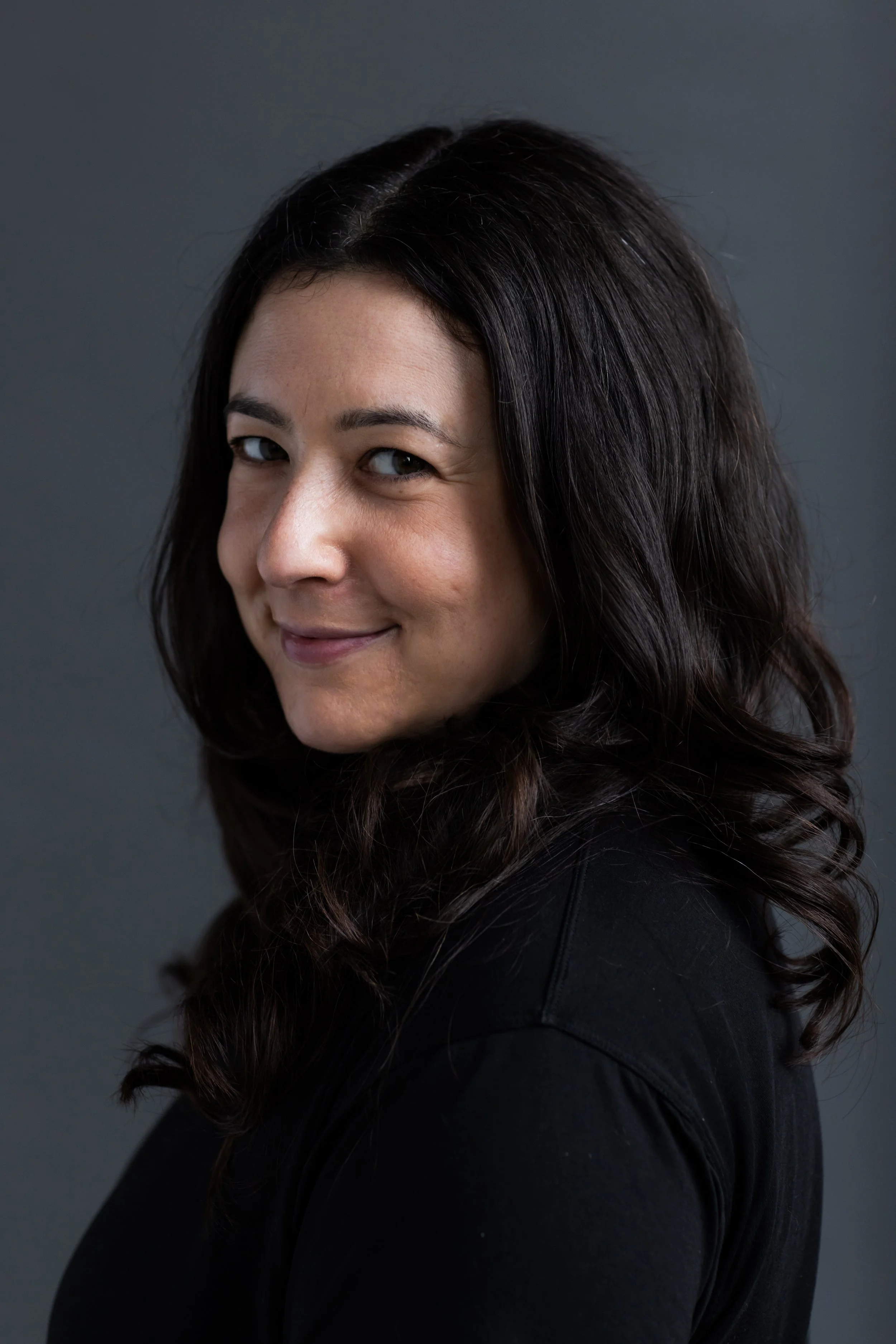
Photo credit: Selena Phillips-Boyle
Anya Leibovitch (she/her) is a Montreal-based writer and journalist whose work spans fiction, essays, and cultural criticism. Her writing explores the complexities of contemporary life, particularly how late-stage capitalism shapes the ways people navigate relationships, identity, gender, and power dynamics.
Instagram: @anya.lei
substack: https://anyalei.substack.com/
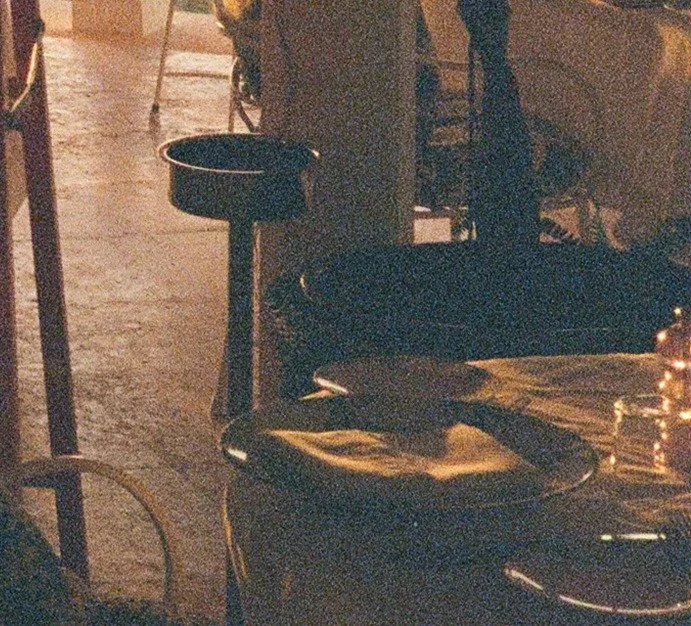
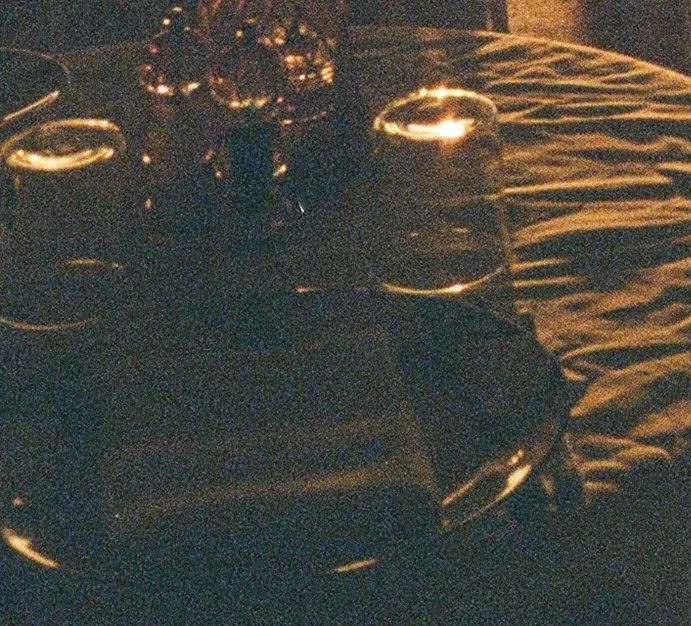
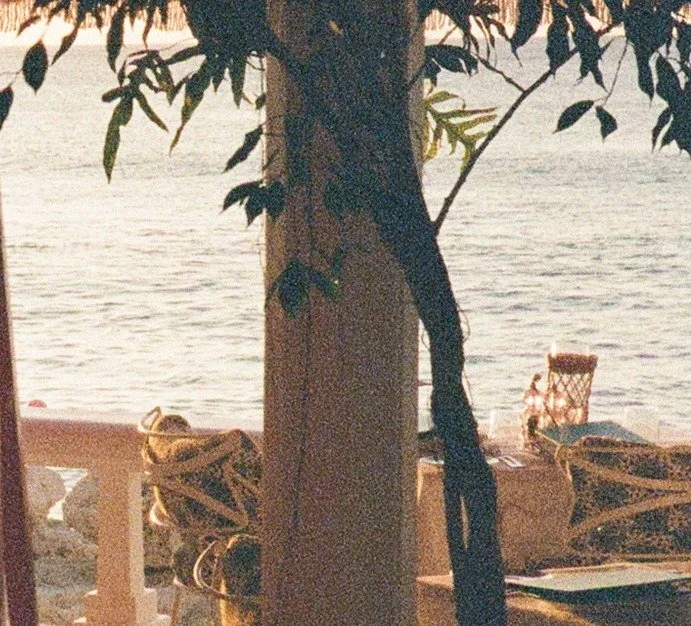
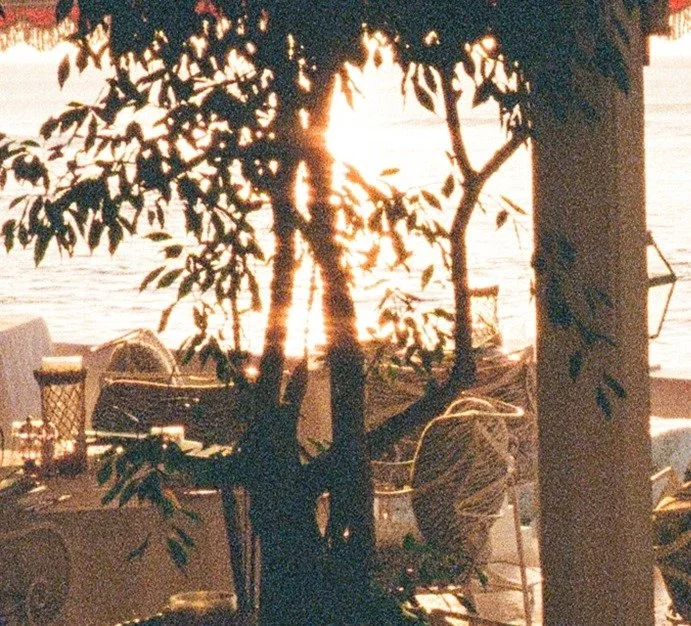
Photography by Maggie McPhee
Traveling to Barbados with my family for Christmas. A set of three diptychs. A string of Christmas lights. A rope that I pull at. I want to get there but I never can.