The Evil Eye
by H Felix Chau Bradley and Eli Tareq El Bechelany-Lynch,
translated excerpt of On m’a jeté l’oeil from Anya Nousri
Look out. When you’re invited to someone’s house, don’t eat what they offer you. S’hour can be visited on you through food. Avoid drinking; if you don’t have a choice, always wipe the rim of your glass so as not to leave any saliva. Don’t let people touch your hair. They could do gris-gris and drive you to your ruin. Don’t send or post any photos online. Learn these invocations and recite them whenever you feel someone staring at you. Always wear a khamsa to protect yourself from the evil eye. When you’re given a gift, you must purify it before bringing it home. When in doubt, destroy it.
*
I nod my head yes. I grew up mistrustful of my maternal aunts.
*
In Montreal, my mother hurls insults at me: My heart is rotten and I’ve grown ugly. You’d think the djinniya Oum Sibyan had come into your bedroom while you were sleeping and transformed you. She doesn’t recognize me anymore. It crushes me. She doesn’t understand why I am full of hatred. She forbids me from going out so that I won’t be sullied. She wants what’s best for me, that’s all. She doesn’t give a shit about my state of mind—I’ll thank her later, she’s sure of it. I confess my suicide attempt to her. Silence. I repeat: Je veux die. Die if you want, but just don’t have sex.
*
When I was twelve, I kissed a neighbour boy in the stairwell of our apartment, back home in the village. My uncle Youssef caught us. Slut. He caught me by the hair. I closed my eyes. A barrage of kicks. I wake up. I’ve been left all alone. Except for my aunt, who is kneeling in the corner of the room, reciting du’as. A few days later, my uncle comes to visit us and orders me to tell my mother about my misbehaviour. I confess to the kiss. She slaps me. Slut. I crumble. My cousin Hakim finds me in my bedroom and lies down next to me. I babble: Nobody loves me anymore. Don’t worry. I’ll always be by your side. We aren’t like them. We’re different, you and I.
*
I stayed with my aunt for a few months in Paris. She has a habit of playing the Quran on repeat. We listen to different surahs. It calms me, she tells me. Personally, I’m sick of it, but I don’t say so, otherwise she’ll think that I’m possessed by Shaitan and bring me to an imam to get exorcized. No thanks. After a couple of weeks, I start to get depressed. Irritable and bored to death, I sleep all day long. Convinced that someone has put the evil eye on me, she offers to do the salt ritual. Holding a fistful, she rotates her hand clockwise seven times. She murmurs incantations in my ear. She places her fist on my skull, distributing little jolts of pressure all over. She recites spells, then asks me to blow on her hand. She gets up, opens the window wide and speaks in a mix of Kabyle and Arabic. She kisses her fist, opens it, blows on her palm. The salt is carried away by the wind. I immediately feel soothed.
*
Hakim and I go to the abassan to freshen up and fill a few water cans to bring back home. We’ve also decided to practice our Kabyle this summer. We’re twelve years old; we’ve both realized that immigration has twisted our tongues. Fkiyid the can. I start to laugh. No, that’s not how you say give me the can, you’re supposed to say: fkiyid tabidunt. Sah, cousine, you’re making that up. Tossing words back and forth, we work on our vocabulary, and when we’re finally ready, Hakim helps me place the containers on my head. Right before we leave, my mother’s brother, Boubakar, catches sight of us in front of the village’s water source. Furious, he comes over and smacks me. That’s right, that’ll teach you to act like a qahba. I swallow my tears. Back at home, Hakim recounts what happened. My mother starts freaking out, she calls my uncle and orders him to come over. She hurls her hatred and hoarded up resentments at him. This is the same brother who, when they were younger, forbade her from ever going out. This is the brother who made her quit school. She scratches her own face, then pushes Boubakar against the wall. But mom, Amo Youssef also hit me the other day. Essoukti, stay out of this. She bites him. She threatens to kill herself if he doesn’t apologize. She moves towards the balcony, repeating: I’m the only one who has the right to hit my daughter.
*
During my last trip to Kabylie, I hear talk of a woman named Nana Dehbia, my mother’s cousin. I know her for her flaming orange hair, coloured with henna. Dehbia is the star of the village. I’ve heard them saying that she has been possessed by djnoun that compel her to rid victims of s’hour. That’s what they call a tamrabet, a seer-healer. Everyone goes to her with their highly specific requests. Men who are convinced that they’ve been bewitched by their wives. Women who are certain that their jealous neighbours are the cause of their failures. Nana Dehbia confides to my aunt that her husband forbade her from practicing sorcery and that the spirits struck him in the night. He ran away. Happy ending: She must be glad to be rid of the man she was forced to marry, having always wanted to get the hell out of there herself.
*
In CEGEP, before my final exam in differential calculus, my mother advises me to stash salt in each of my pockets. It will bring you luck. She tells me that my grandmother said some du'as for me, to prevent mental blockages. The moment I sit down to the exam, I forget everything. I struggle to solve the differential equations, I scribble out some formulas, nothing very coherent. I whisper spells in spite of myself. Please, Allah, help me remember, please, don’t give up on me. Monsieur Belkacimi walks up and down between the rows. When he gets to me, he points at one of my answers: That’s wrong.
*
Nana Dehbia is staying at our house in Kabylie. She is sitting in the farthest corner of the room, silent, head bowed. I’m worried she’ll notice I’m not normal, I hope she doesn’t grill me. And it’s at this moment that she fixes her gaze on me, insistent. Dehbia, don’t say anything, I beg you. She points at me. Everyone turns to look at me. Shit.
*
We call my uncle Brahim’s wife the ghoula, the witch. She manipulates him. In the village, his family is known for vandalizing tombs and creating problems soumsoum. One day, my uncle and my mother insult each other for no reason in the hallway of our home in Aït Idir, forehead to forehead, ready to hit each other. I ask my cousin Inaya what’s going on and she shrugs her shoulders, as if she has no idea. Brahim talks about stolen keys, and my mother retorts: Search me if you don’t believe me. His wife, ecstatic, laughs, walks back and forth in the hallway. She skips, claps her hands like a child, and chants repeatedly: Echah, echah, those animals deserve it. With a big smile, she dances to wake Shaitan.
ABOUT THE CREATOR
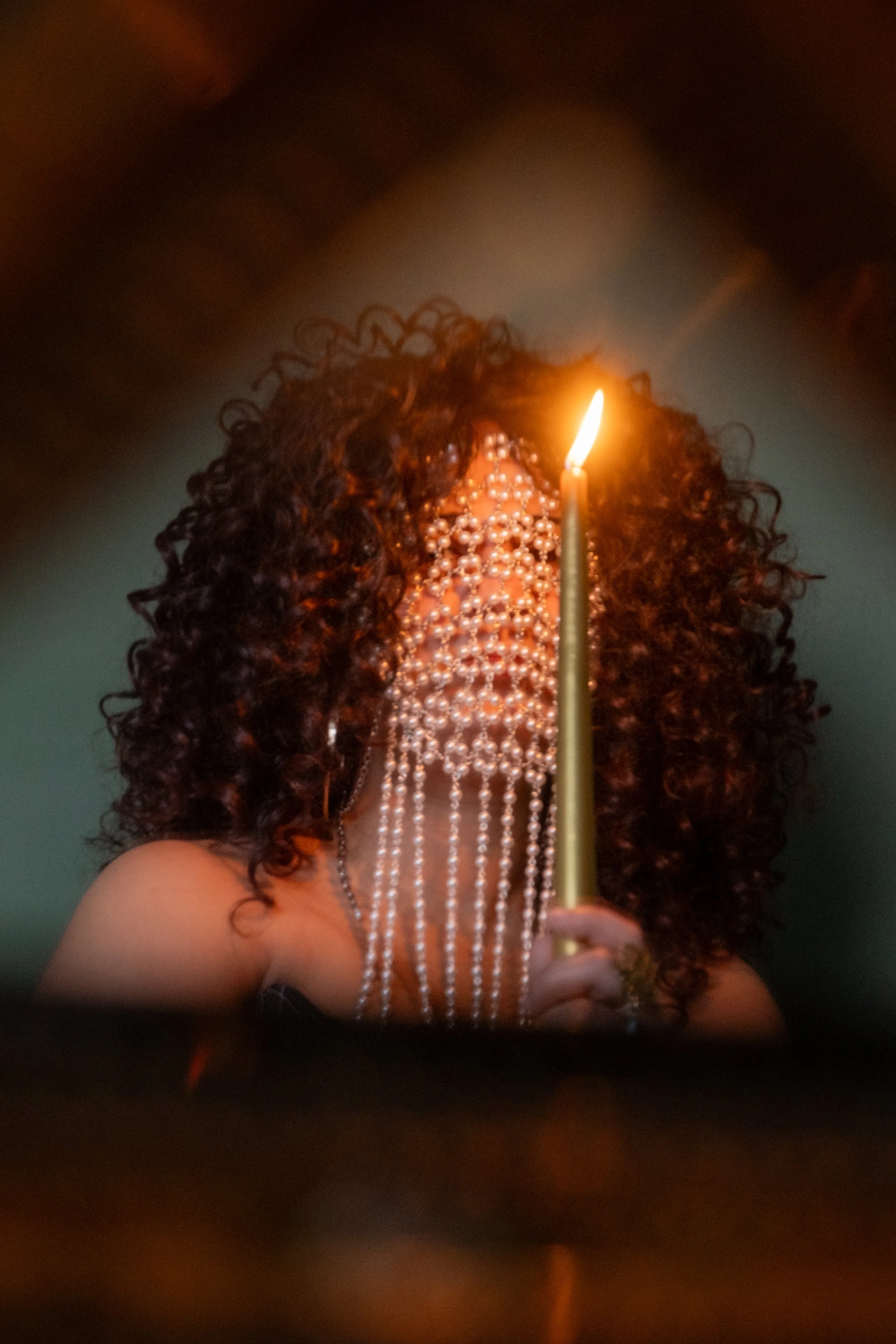
Anya Nousri is a Montreal writer of Algerian descent. She is interested in Maghrebian literature and decolonial issues. Her work has been published in several anthologies: Cruelles, Récits infectés, Pissed pestes puissantes, Capillaires and Mortel-les. On m’a jeté l’oeil is her first novel.
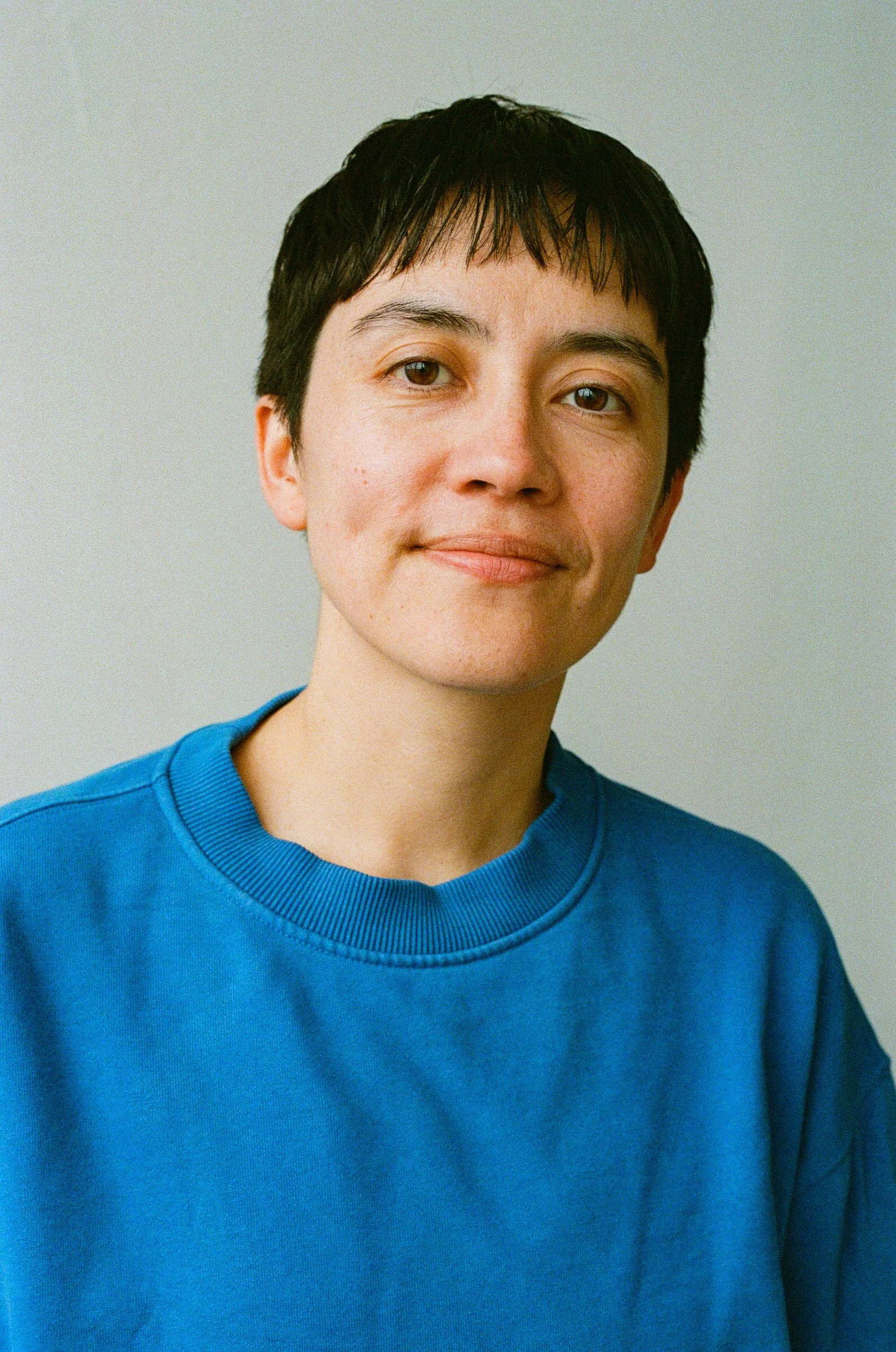
Photo credit:
Hamza Abouelouafaa
H Felix Chau Bradley is a writer and editor living in Tiohtià:ke (Montreal). They are the author of Personal Attention Roleplay (Metonymy Press), which was a finalist for the Danuta Gleed Literary Award and the Kobo Rakuten Emerging Writer Prize in 2022. They are the fiction editor at This Magazine, an associate editor at Metonymy Press, and the books columnist at Xtra.
Instagram: @notesofacrocodile
Substack: @filletchaubradley
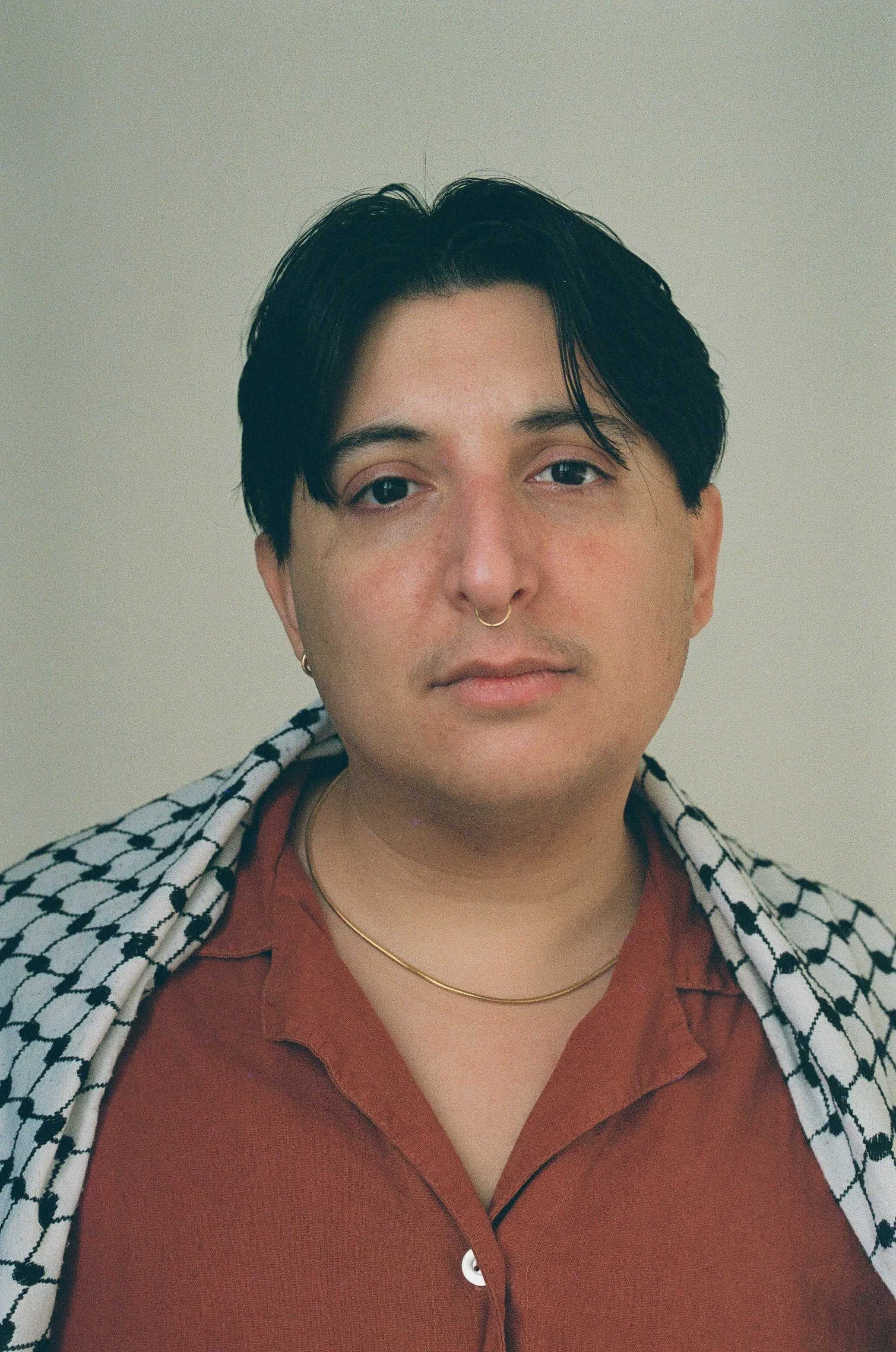
Photo credit:
Hamza Abouelouafaa
Eli Tareq El Bechelany-Lynch is a trans Arab poet, translator, and a publisher at Metonymy Press. They are the author of knot body, published by Metatron Press in 2020, and The Good Arabs, published by Metonymy press in 2021; The Good Arabs won the Grand Prix du Livre de Montreal and was the honorary mention for the Arab American Book Awards and the Khayrallah Prize in 2022. They live and write in Tio’tia:ke (Montreal).
Instagram: @sherlockh0m0
Substack: @sl0wsyrup
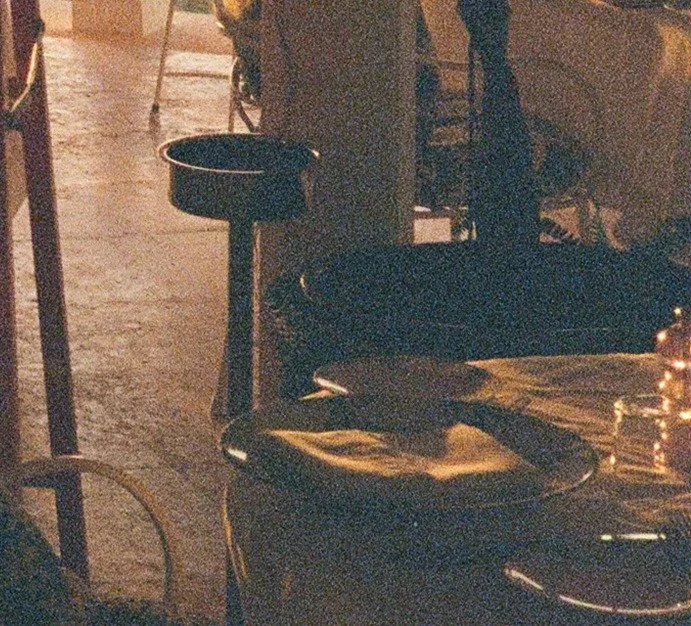
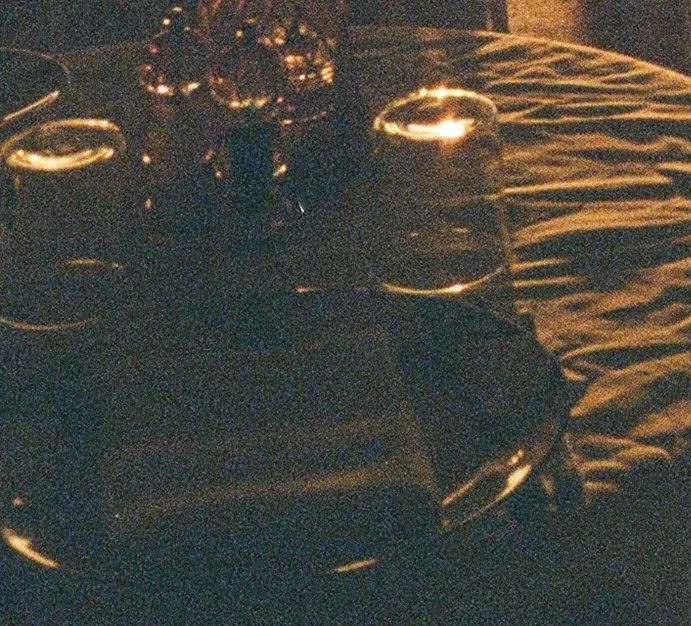
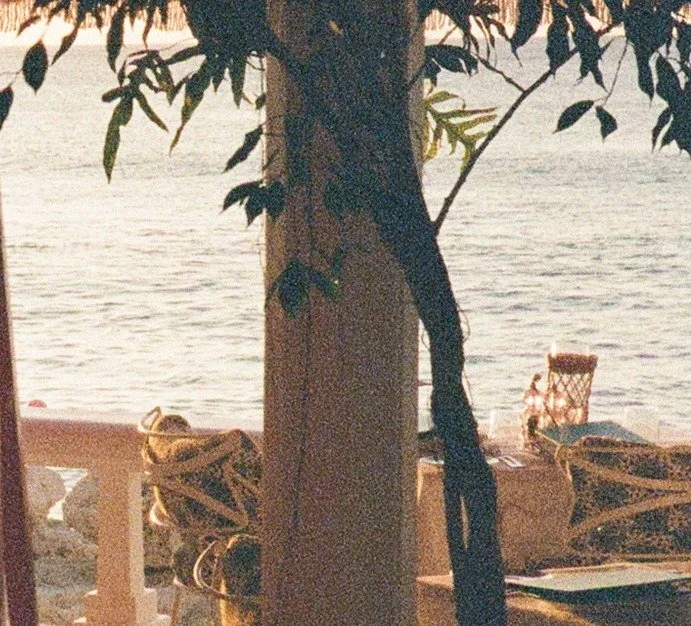
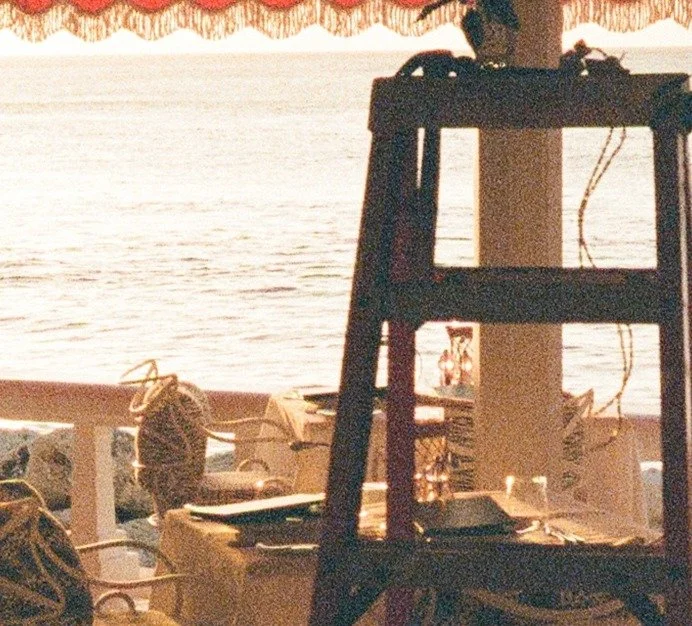
Photography by Maggie McPhee
Traveling to Barbados with my family for Christmas. A set of three diptychs. A string of Christmas lights. A rope that I pull at. I want to get there but I never can.