[wither]
by Logan Anthony
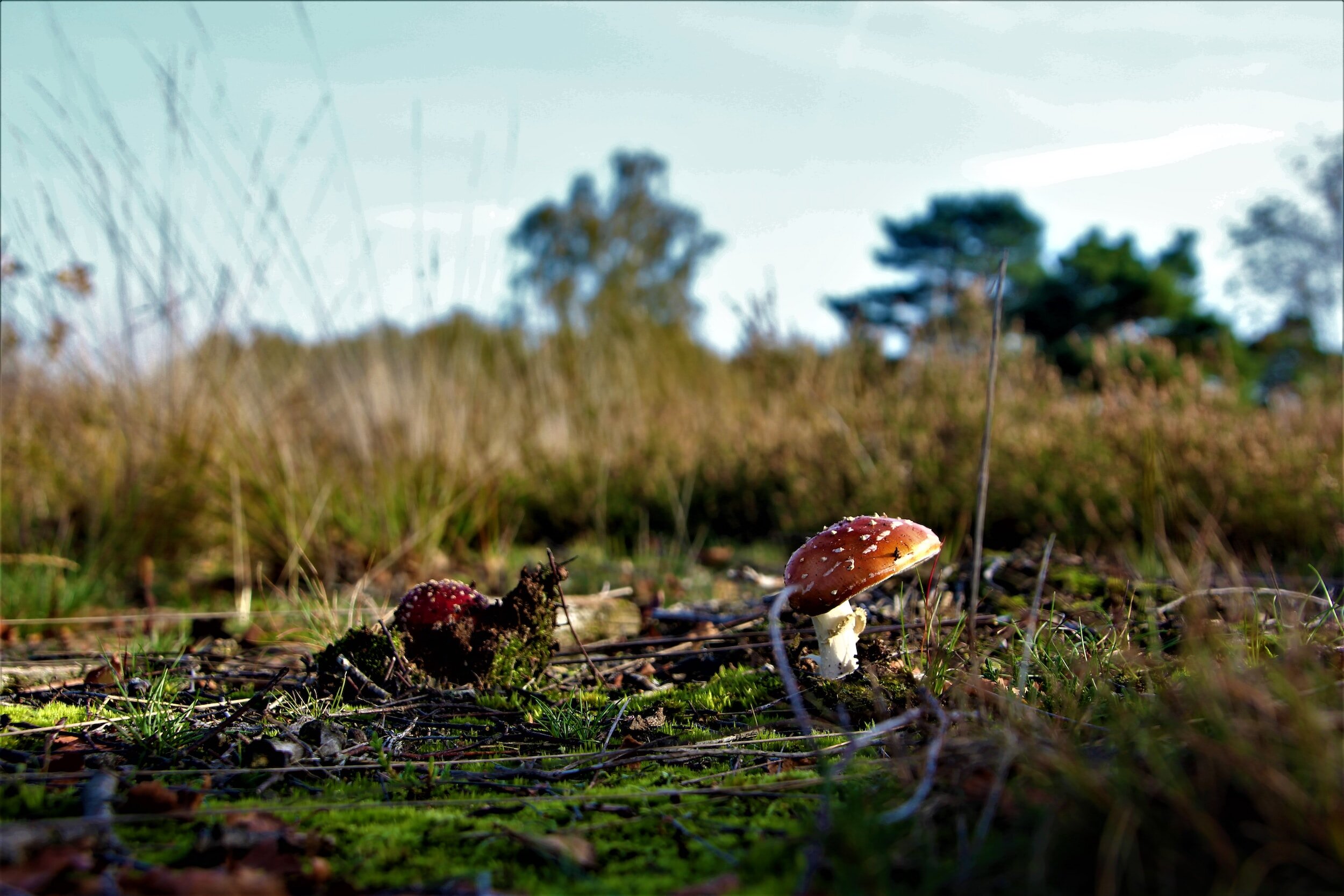
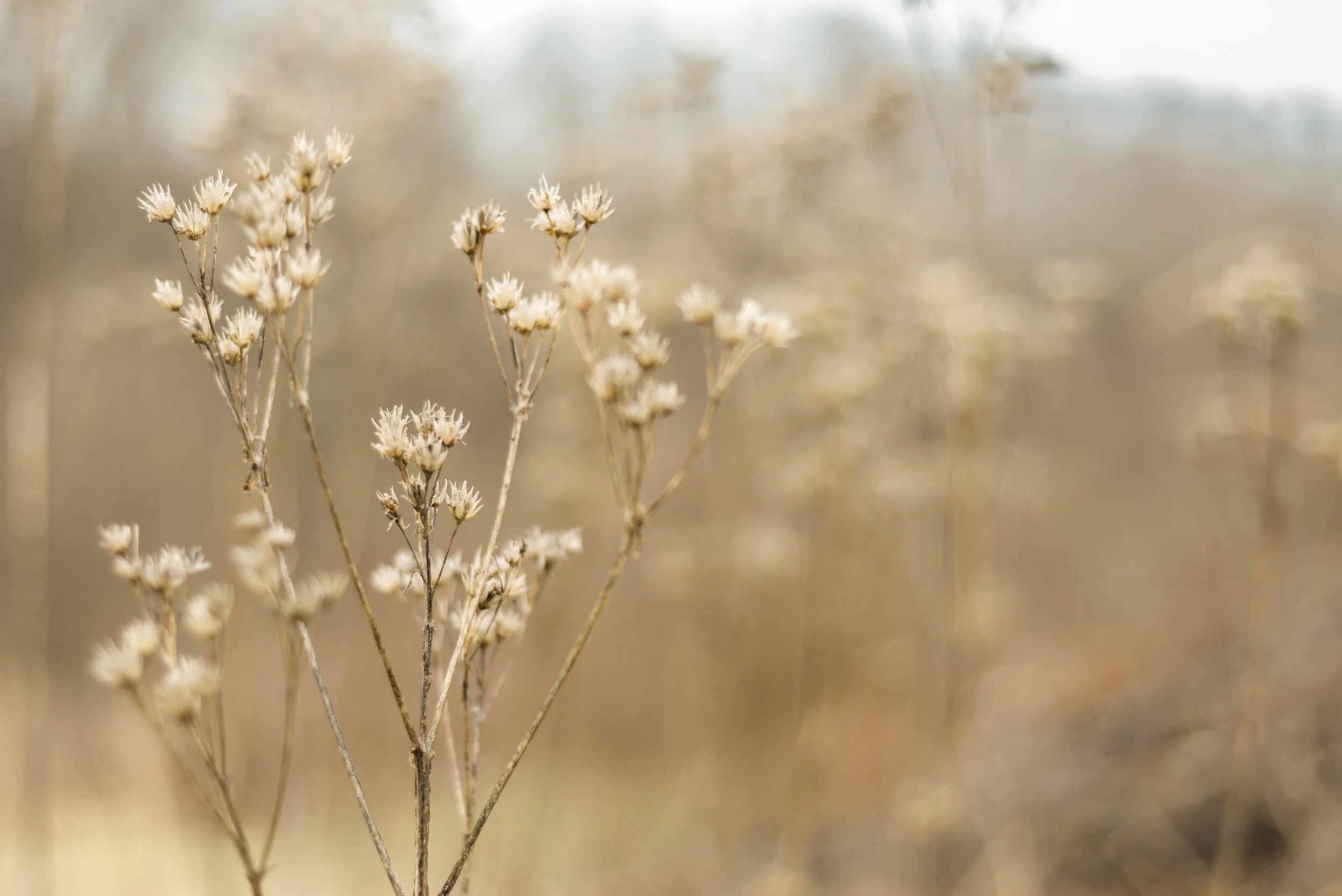
a brittle flower bobs
her head in the october rain,
each strike of a drop
as it cascades in descent
rattles its rickety voice into
her petals the stern reminder
she knowingly outruns.
days pass as she gives
pieces of herself away.
crumpled petals litter the grass
in a line where it yellows.
the same pattern of caution
she’s been dotted with every autumn:
the dichotomy between flower
and fungus is a narrowing doorway.
a hallway walling itself off.
potential drinking itself away.
aster, darling, can’t you see
where i’m going with this?
ABOUT THE CREATOR

Logan Anthony is an American queer writer and transgender artist from Indiana. Anthony holds a Bachelor of Arts in Creative Writing & English and works as a curriculum developer. Find Logan’s poetry in Thin Air Magazine, Oberon Poetry Magazine, Hive Avenue Literary Journal, Papers Publishing Literary Magazine, Hare’s Paw Literary Journal, and more. You can read their short stories in Stoneboat Literary Journal, The Write Launch, and Hare’s Paw Literary Journal.
Issue 42 (search by genre)

by Greg Santos
This fall, carte blanche put out a call inviting creators to mull over the word “soft” as a theme for our final issue of 2023. After a challenging number of years building our collective resilience during a global pandemic, I was interested in having our editorial team consider works that touch on the soft, slow, open, and gentle.
by Mélina Lopez-Racine
Mélina Lopez-Racine lives in Tiohtia:ke (Montréal), works as a bookseller, and manages the Drawn & Quarterly Zine Club. One of her pieces has been published by Frog Farm in their collective zine called HELL FARM. The rest of Mélina's artworks may be viewed on Instagram @mlracine.

by Reid Urchison
Reid Urchison is an artist and writer living in Montréal/Tiohtià:ke. Their comics have been published in ReIssue, Open Word, and elsewhere.
by Moira Brown
The weekend following my twenty-fourth birthday is the weekend I go honeymooning with my sister. The Executive Suite at the Motor Court Motel in London, Ontario, looks something like the dream realm.
by Adam Alokby
Reed’s my twin, but I never felt like we were that connected or anything. Not in that special way people ask us about. To be honest, I think it’s all a big joke, feeling your twin’s pain and all that. It doesn’t make sense.
by Emily Cann
Sally has said on numerous occasions, It’s me, it’s me, it has to be me. At book club we surround her, we smother her to say it’s not you. Of course it’s not you. It is men. It has to be men. She says yes, yes it’s the men. I pick the wrong men. Someone inevitably says, They’re all the wrong men. Sometimes it is even me that says that.
by Bronwyn Garden-Smith
An ice storm knocked the power out in your city on Valentine’s Day. The next day, the temperature rose obscenely, causing the ice that had coated the trees to melt, making the water drip drip drip drip on your coat insistently like an anxious tic. Then your power came back; you charged your phone, boiled water for tea.
by Adam Haiun
Everywhere there are holes and bad fathers. Last year a woman stepped into her pantry and fell into the canopy of a pine forest. Just a few weeks ago a garden shed opened to the sea and a new kind of squid spilled out onto the lawn. Each room is an opportunity for a hole and each father is an opportunity for a bad father.
by Edmario Lesi
Two girls watch a YouTube video of the accident that removed me from Never Never—a reality TV show wherein teenagers are stranded in a remote part of northwest Queensland. The girls sit against a bookshelf, and the smaller of them rests a laptop on her overturned school bag.

by Alex Manley
The whole cab ride back Marie kept thinking it was a bad idea, staring out the window, picking at the edges of the clear sticker on the window with the different fare rates. She had a hard time putting into words just what it was she was in the process of doing but it made her stomach tense up
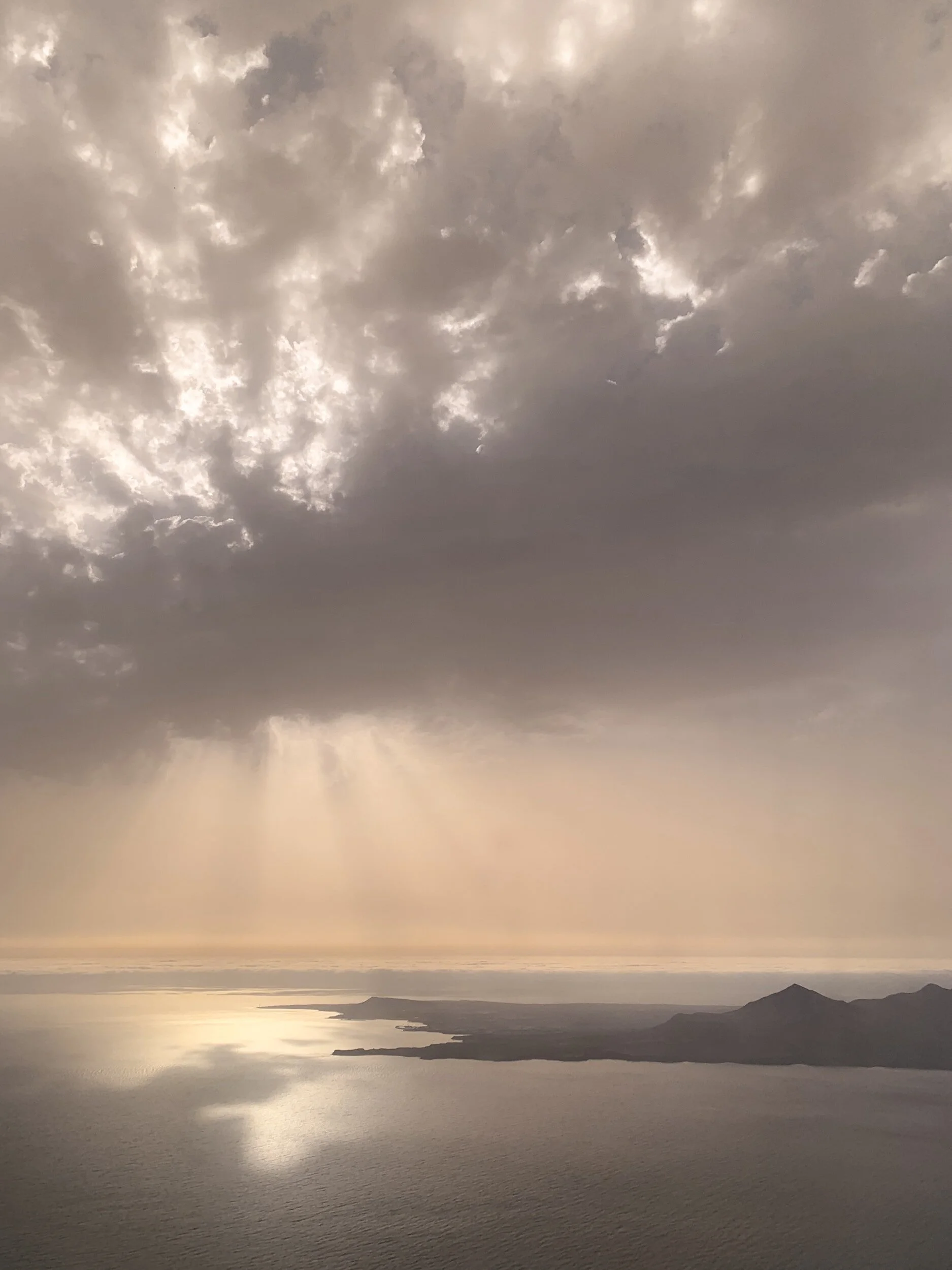
by Gabriela De Paz
My photography is typically inspired by the details of my daily environment. This series specifically was an attempt to capture the magical childhood nostalgia I felt one rainy evening while looking at—rather than out—my window. I wanted to capture the layers between the self, the home, and the outside world, as they weave together to produce the essence of who and what we are.
by Savannah Dodd
Through a slow and embodied creative process, I have sought emancipation from the “colonisation of the self by capitalist ideas of productivity and efficiency” (Odell, 2019: 14). Fanned by the gig economy and entrepreneurial culture in which creative people must necessarily participate, it is this drive toward productivity upon which capitalism relies. In this way, my work is not only personal, but political.
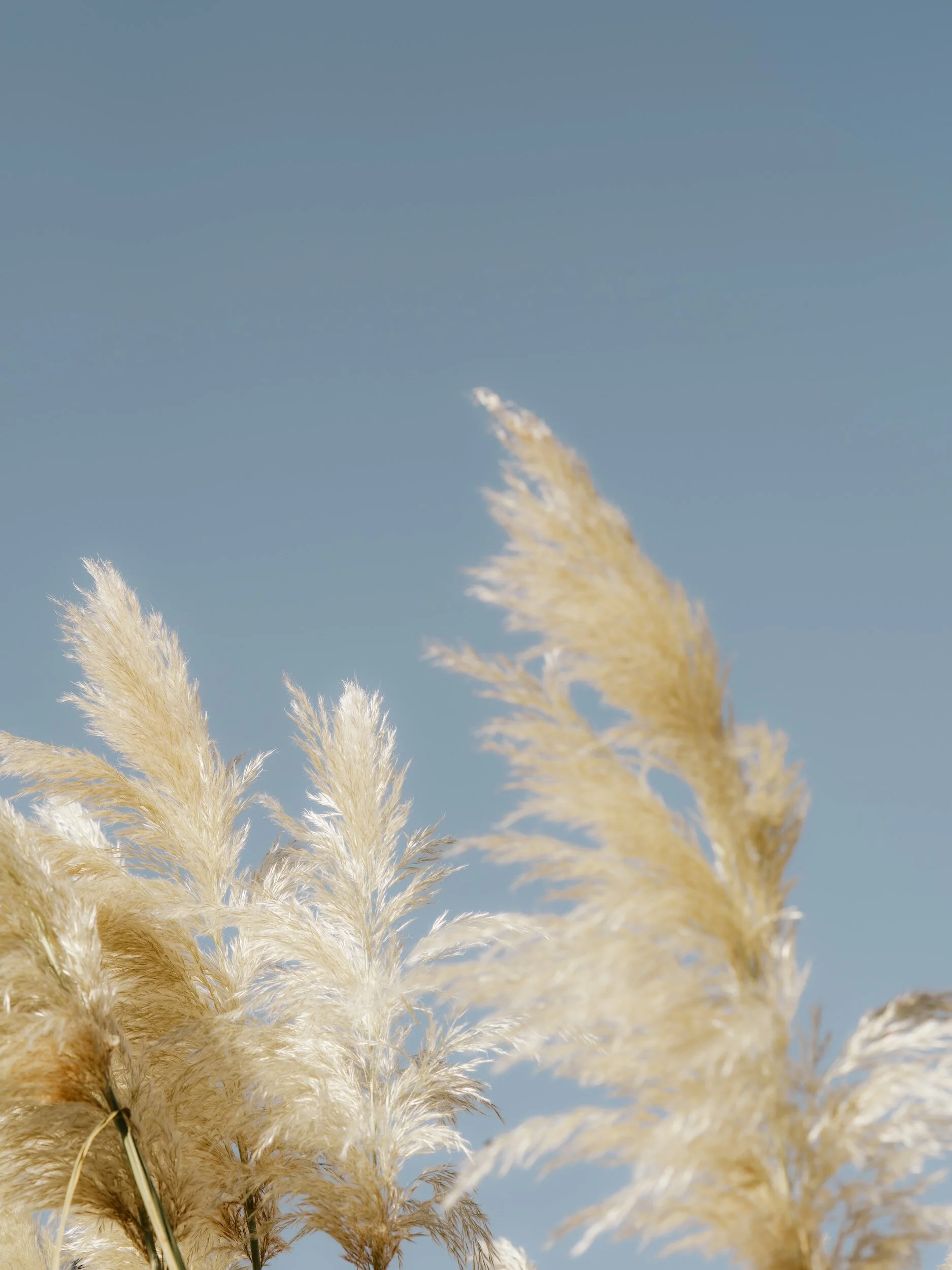
by Esther Mathieu
In the course of a week, a day, an hour in Montana’s Centennial Valley, the sky and air and landscape change so many times it is impossible to chart the soft gradations. Life becomes a series of in-between spaces.
by Ying Zhao
Ying Zhao is a writer and photographer currently interning at the United Nations Environment Programme. Landscape and nature hold significant roles in her photography. Her work has been featured in publications such as the Upper Mississippi Harvest Literary and Arts Journal, the Santa Clara Review, and the Salmon Creek Journal.

by Katrina Agbayani
my whole body stupid with it: / July on the lawn. / through the screen window glows / the stovetop purpled with heat,
![[wither]](https://images.squarespace-cdn.com/content/v1/605533b04199844a48a51290/1702334375499-BBSLGIORCBBOX1POPUQR/image-asset.jpeg)
by Logan Anthony
a brittle flower bobs / her head in the october rain, / each strike of a drop / as it cascades in descent
by Sheila Black
If you stand in the gallery on the first floor / and keep still, the stone appears to breathe a little. / The Nereids are braced against the wind and spray.
by Elisabeth Blair
My miscarried children loiter nowhere, / not mentioned in any newspaper // nor honoured online. / No memorials on earth

by Lauren Camp
One day this spring, the sky taunted the sycamore / to toss down leaves. Tested the boundary of elm / to take a barb of wind. The ground knew what a clearing
by Ashton Diduck
when I / felt / it didn’t seem right / the way / it tasted unseen
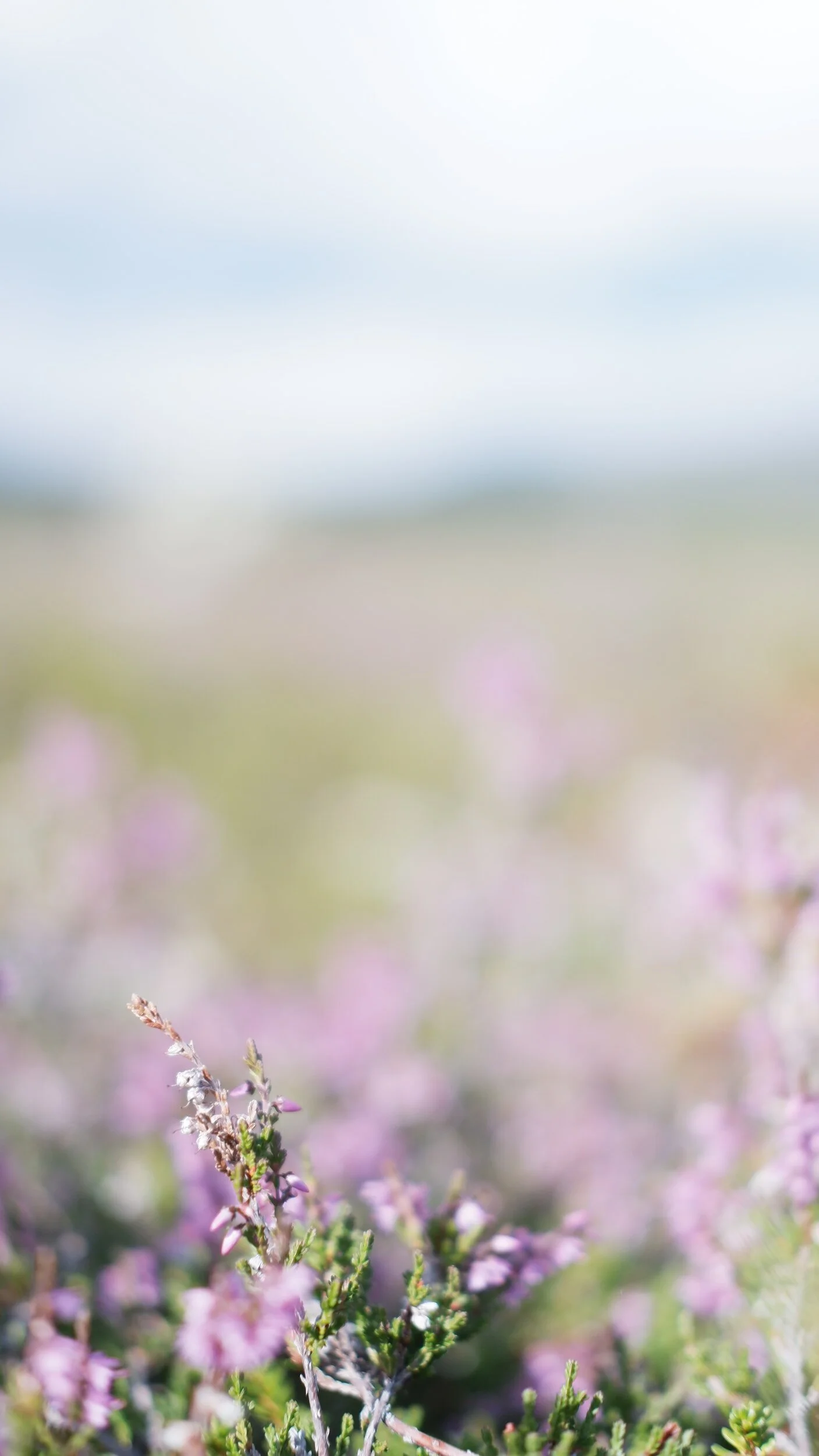
by Kate Genevieve
Midday and I’ve yet to wash. / The lemons give me no respite, / and I’m sick of the garden fountain / bubbling incessantly.
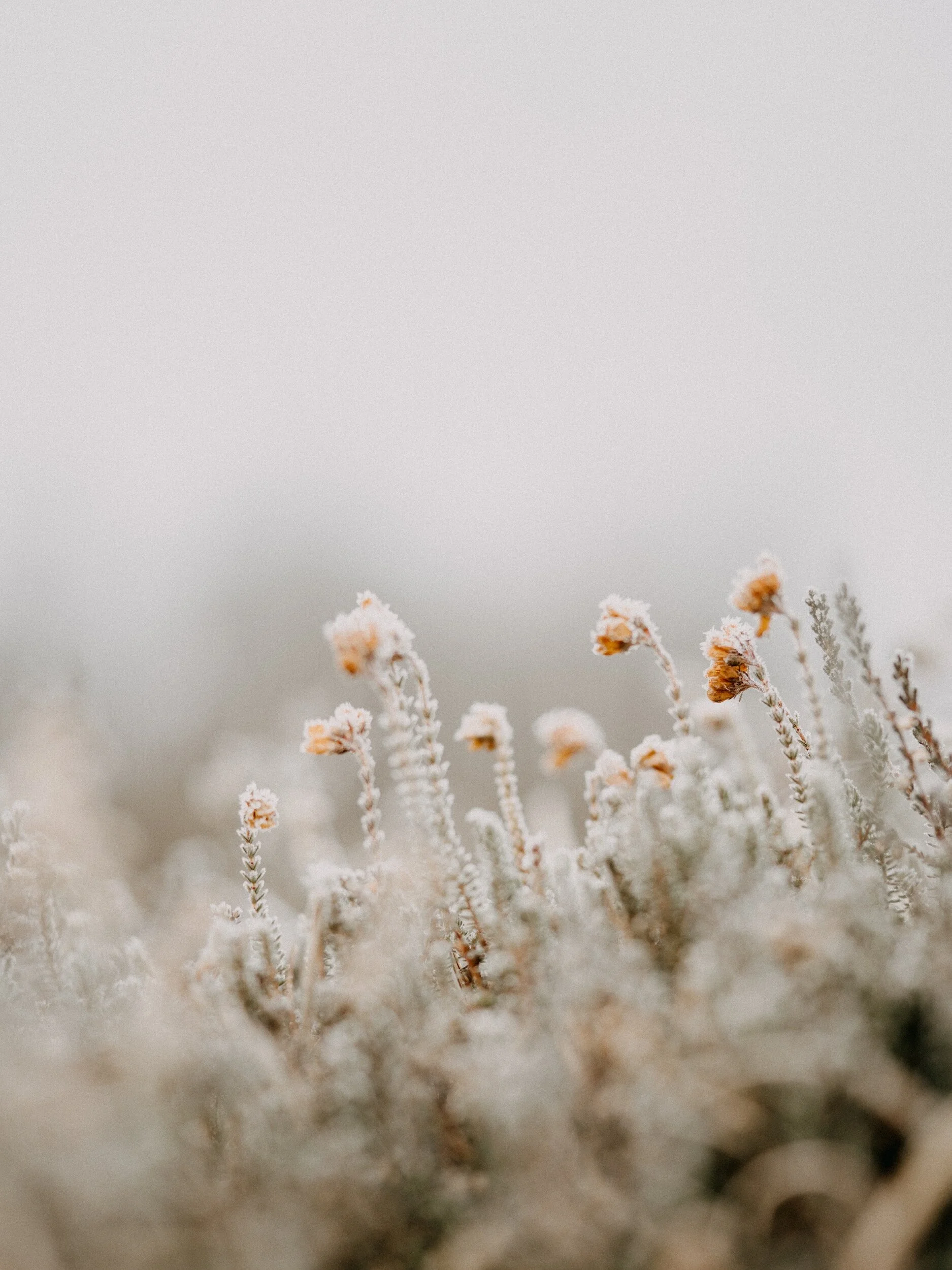
by Liz Howard
All my girls growing up we had hard times / the lattice-structure of our future interiors / sung like a diamond bit drill against our / temple of stripped spruce before we lost
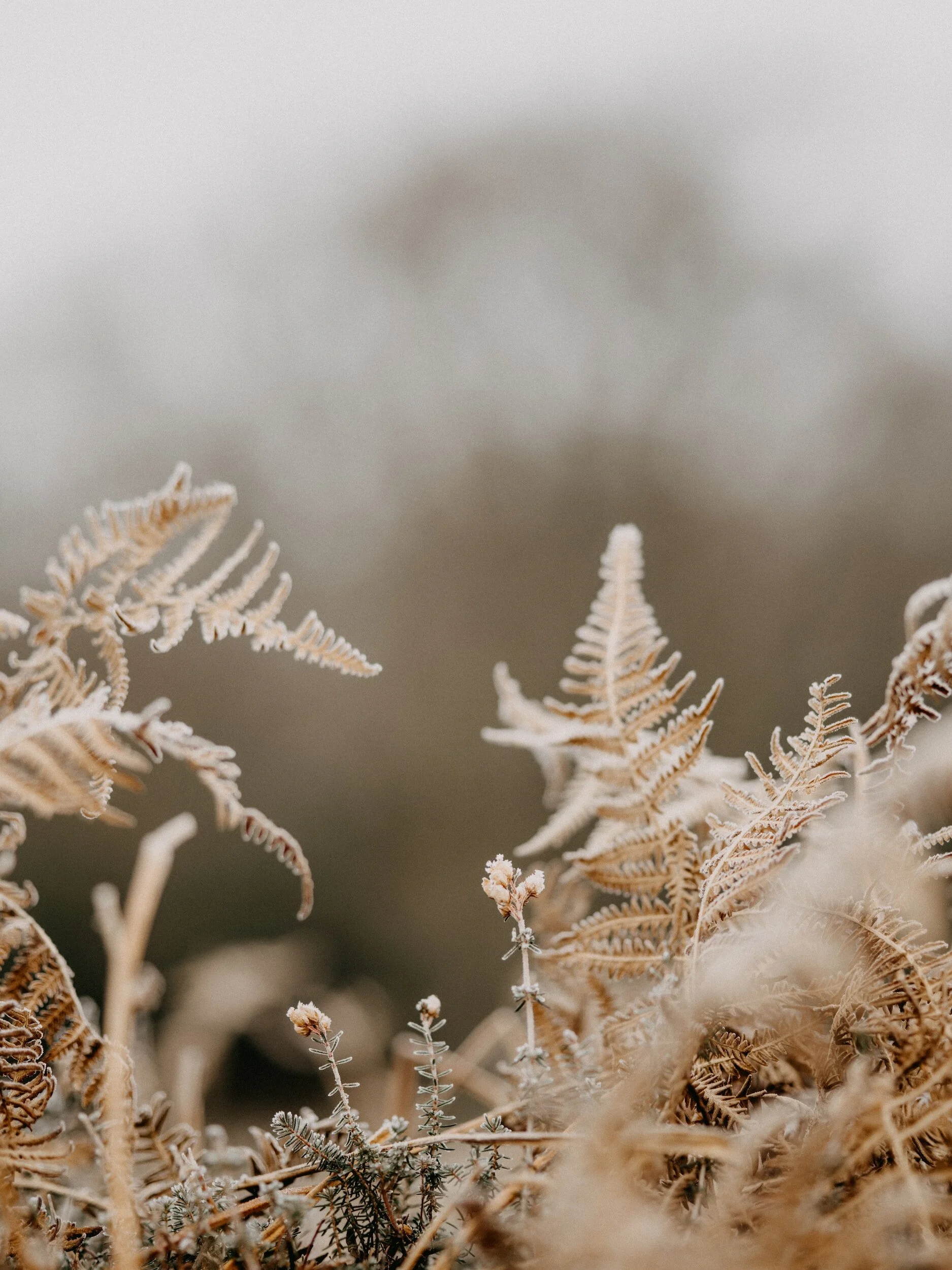
by Nisa Malli
The monster has taken to sinking / in every available body / of liquid. It flicks the light- / switch trying to turn / the water in the dark,
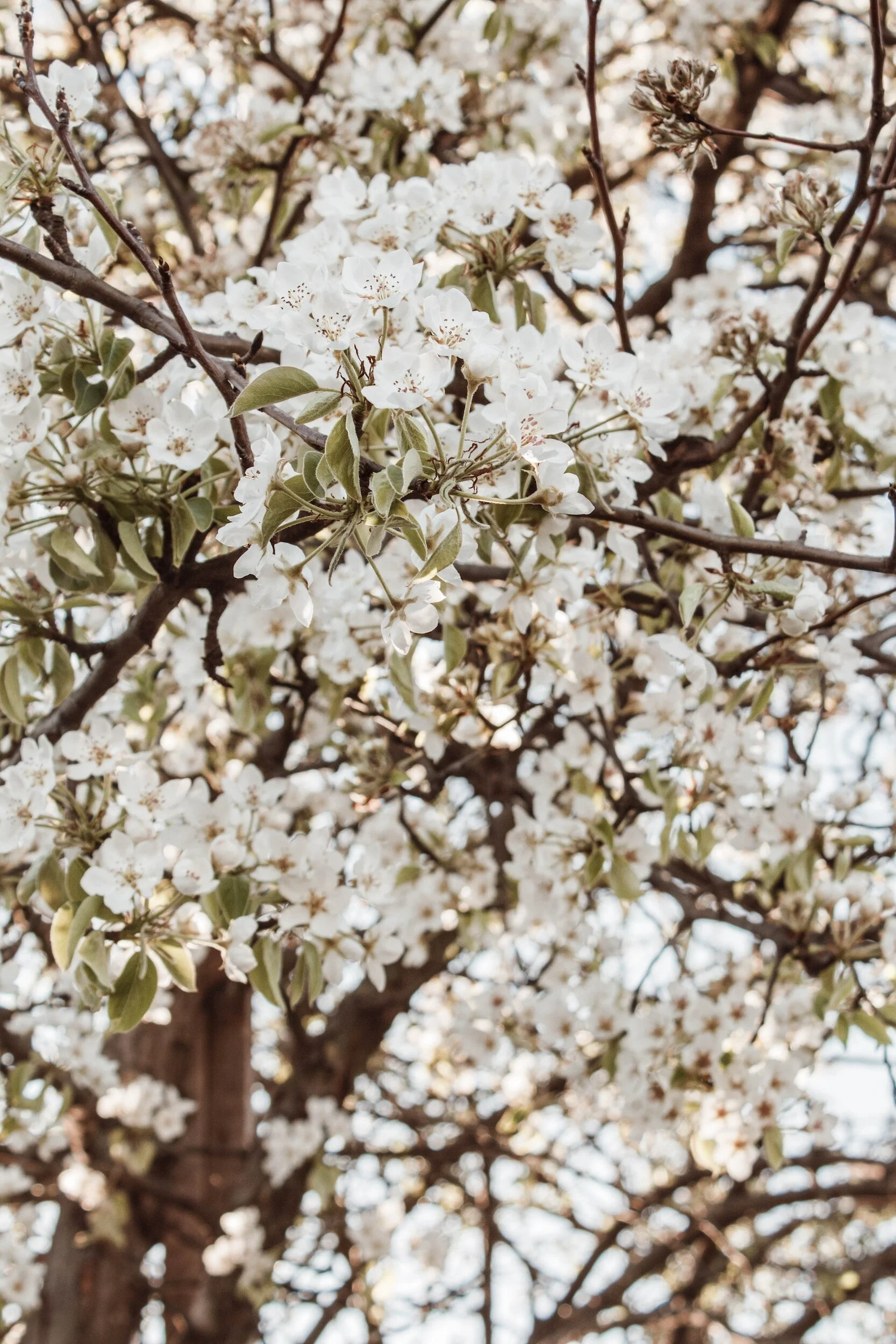
by Rajiv Mohabir
Some are lonely before / they know. An orca / separated from his pod / calls out every night
by Nnadi Samuel
how does mist quantify loneliness? / on no occasion has it been the cloud to end a day without company: / the way at harm’s length, a relative slips from my grip.
by Liam Strong
trans- / versal.¹ pickled blueberries left in the card- / board.² on a dimensional level, maybe // you don’t die in this one.³
by Gaby Bedetti and Don Boes, translated from Henri Meschonnic
after the great stories are lost in the world’s upheavals / memory begins to listen to each silence that is swallowed by the noise of now
by Gaby Bedetti and Don Boes, translated from Henri Meschonnic
My hand does not know it is hungry / my skin does not see the night is coming
by Nicola Danby, Pablo Strauss, and DeepL Translate (AI), translated from J.D. Kurtness
Zachary’s mother and father make no effort to shelter him from the storm of life. He is a busy child: precocious, gifted, and anxious. His parents do their best to give their only child every opportunity.
by Marne Litfin
Marne Litfin is a postgraduate fellow in fiction at the University of Michigan. Their stories and comics are published and forthcoming in Electric Lit, Joyland, The Rumpus, Gulf Coast, Southeast Review, on The Moth Radio Hour podcast and elsewhere.